

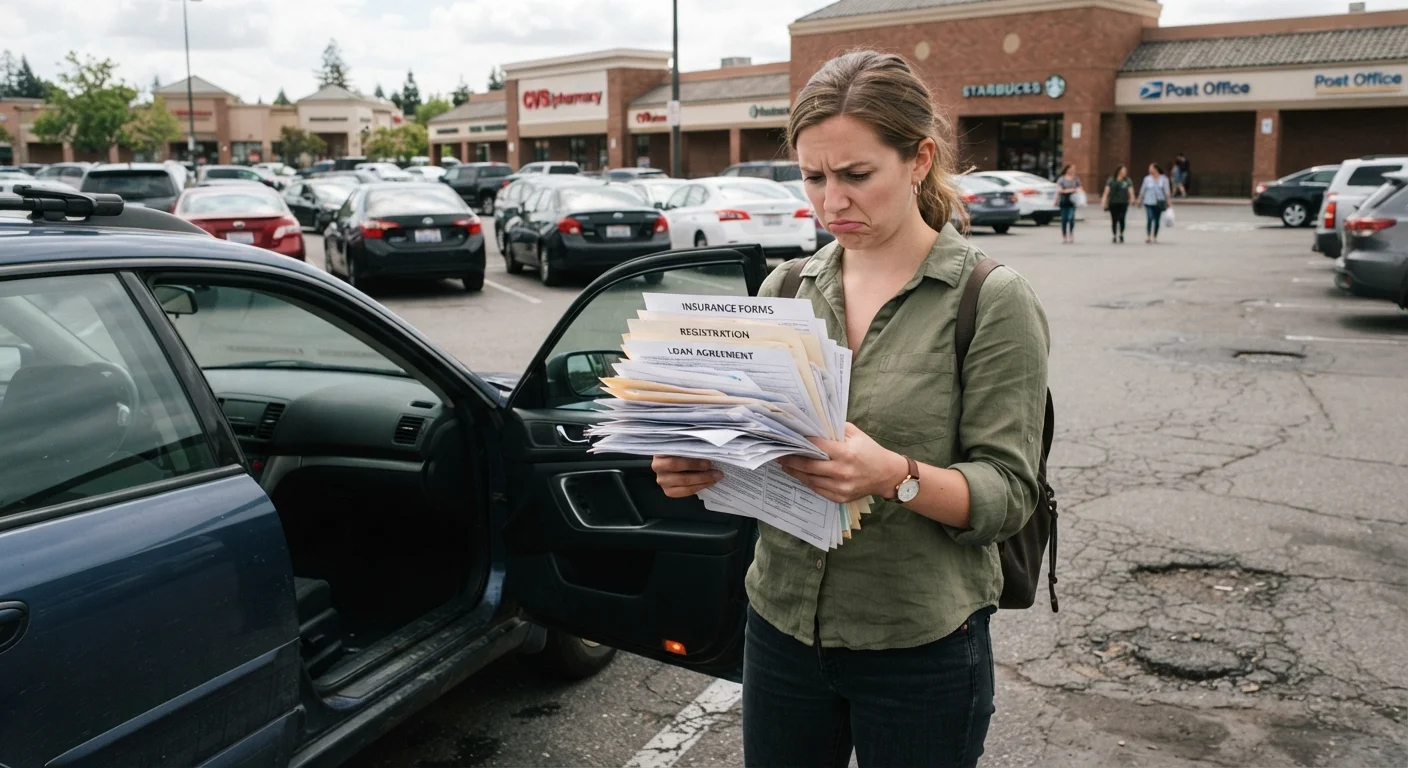
Why New Owners Get Caught Out
Buying a car for the first time means managing a cluster of financial, legal, and maintenance responsibilities that arrive all at once. Unlike renting or borrowing a vehicle, ownership transfers all risk and obligation directly to you. Most first-time owners are focused on the driving - the paperwork, deadlines, and coverage gaps tend to surface only after something goes wrong.
The mistakes below are not rare edge cases. They are patterns that repeat because the information is scattered across dealerships, state DMV websites, and insurance documents most people skim once. Understanding them in advance puts you in a significantly better position. You may also want to review our car maintenance hub for an overview of ongoing upkeep responsibilities.
Gap Insurance Can Save You Thousands
If you finance a new or late-model vehicle and it is totaled or stolen, your standard collision or comprehensive payout is based on actual cash value - which may be significantly less than your remaining loan balance. Gap insurance covers that difference. Without it, you could owe your lender money on a car you no longer have. Ask your lender or insurer about gap coverage before driving off the lot.
The Most Common Ownership Mistakes - and How to Avoid Them
Each of the pitfalls below has a clear trigger and an equally clear fix. The key is acting before the problem arrives rather than scrambling afterward.
Skipping gap insurance on a financed vehicle.
Why it happens: Many first-time buyers focus on the monthly payment and overlook the gap between a car's loan balance and its depreciated value - especially in the first year or two of ownership.
Carrying only the state-minimum liability coverage.
Why it happens: New drivers often choose the cheapest policy to reduce monthly costs, not realizing that minimum liability only covers damages you cause to others - not your own vehicle.
Missing the state registration and title transfer deadlines.
Why it happens: With the excitement of a new purchase, administrative steps like registration and title transfer are easy to postpone - but many states have strict, short windows for both.
Ignoring routine maintenance until a problem is obvious.
Why it happens: Without prior ownership experience, many new drivers treat maintenance as optional unless the vehicle displays a warning light - by which point damage may already be done.
Failing to update your insurer after a change in address or household drivers.
Why it happens: Insurance is often purchased once and forgotten. New drivers may not realize that moving to a new ZIP code or adding a regular household driver are material changes that require disclosure.
Late Registration Has Real Consequences
Most states require you to register a newly purchased vehicle within a set window - often 10 to 30 days. Missing that deadline can result in fines, and driving with an expired registration is a ticketable offense in every state. Check your state DMV's specific timeline immediately after purchase and set a calendar reminder.
Beyond insurance and registration, new owners sometimes overlook safety habits on the road itself. Our driving and safety hub covers the rules and habits that matter most for new drivers navigating US roads.
Building Better Habits From the Start
The most effective way to avoid these pitfalls is to treat ownership as a set of ongoing responsibilities, not a one-time transaction. Create a simple folder - physical or digital - that holds your title, insurance declarations page, registration, and warranty documents. Set annual reminders for registration renewal and insurance policy review.
~20%
New vehicles depreciate in first year
Industry estimates consistently show new vehicles can lose roughly 15-20% of their value within the first 12 months, widening the gap between loan balance and actual cash value.
30 days
Typical state window to register a vehicle
While deadlines vary, many US states require new vehicle registration within 30 days of purchase; some states require it within as few as 10 days.
If you share your vehicle or add a driver to your household, loop in your insurer early. And if your financial picture changes significantly, revisit your coverage levels - the right policy at the time of purchase may not remain the right policy two years later. A little routine attention prevents the kind of expensive surprises that catch new drivers off guard.
The content on this site is for informational purposes only and is not a substitute for professional advice. Always consult a qualified professional for guidance specific to your situation.