

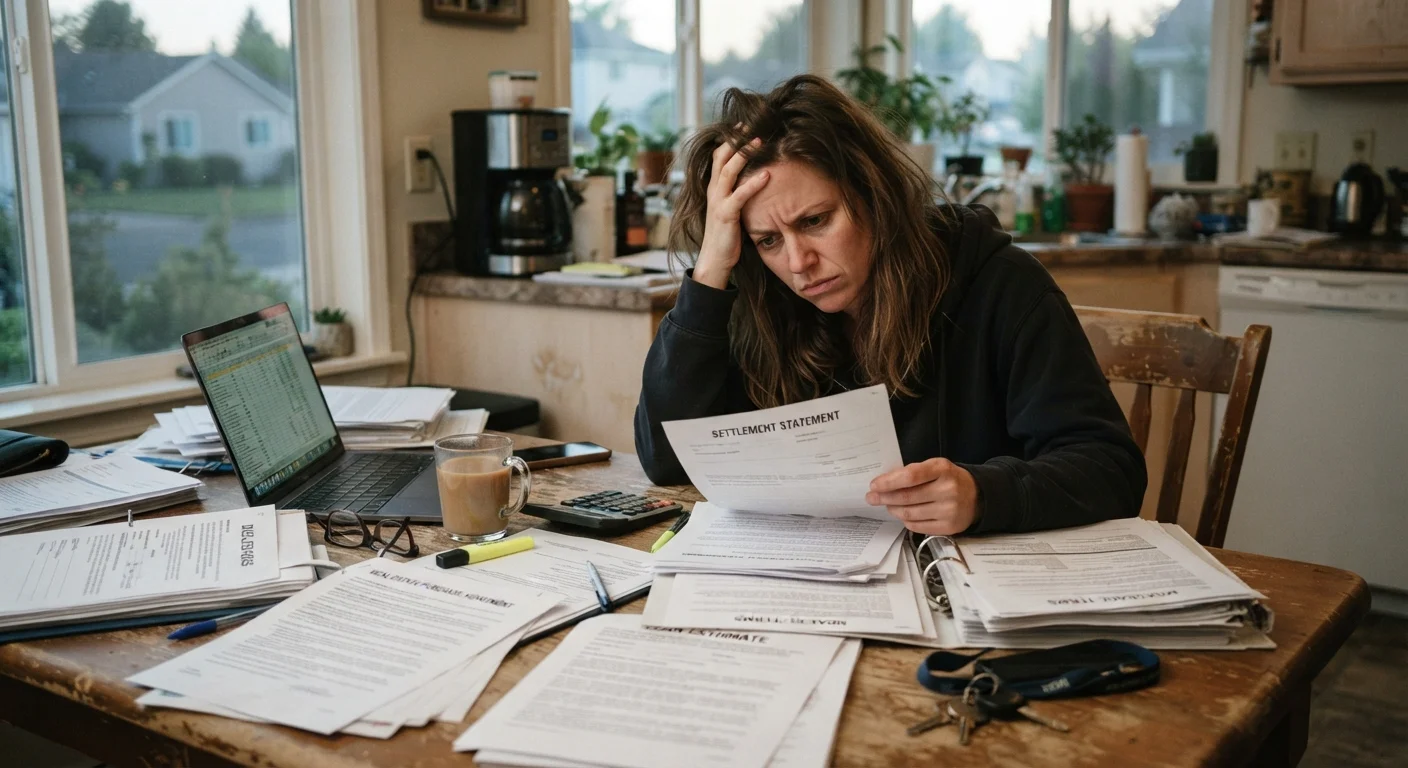
Where Deals Break Down
Losing a home purchase isn't always the result of a bidding war or a seller choosing another buyer. Many deals collapse due to preventable mistakes made by the buyer-errors that occur during financing, due diligence, or even the days immediately before closing. Understanding these failure points is the first step toward avoiding them.
The home buying process moves quickly, and first-time buyers in particular can feel overwhelmed by the pace. But repeat buyers aren't immune either; overconfidence or outdated assumptions about how markets work can be equally costly. For a full picture of what each stage involves, see our walkthrough of the home buying process from offer to closing.
Pre-Approval Is Not Pre-Qualification
Many buyers confuse these two terms, but sellers and their agents rarely do. Pre-qualification is an informal estimate based on self-reported financial data. Pre-approval involves a lender verifying income, assets, and credit. In competitive markets, listing agents often advise sellers to reject offers not accompanied by a full pre-approval letter. Secure yours before you start touring homes.
The Most Common Buyer Mistakes-and How to Avoid Them
The mistakes below represent patterns seen across both buyers' and sellers' markets. They are not abstract risks-they are the specific missteps that cause lenders to pull approval, sellers to back out, or buyers to inherit problems they didn't budget for.
Shopping for homes without a verified mortgage pre-approval in hand.
Why it happens: Buyers assume browsing listings is harmless, or they conflate pre-qualification with pre-approval because both produce a letter.
Waiving the home inspection to make an offer more attractive.
Why it happens: In fast-moving markets, buyers feel pressure to remove contingencies to compete, and inspection waivers have become a common concession.
Making large financial moves-new credit accounts, job changes, or big purchases-between offer acceptance and closing.
Why it happens: Buyers assume that once the offer is accepted, the mortgage is secure. Lenders typically re-verify employment and pull credit again just before closing.
Failing to research the neighborhood, HOA obligations, and local hazard zones before closing.
Why it happens: Buyers focus on the property itself and assume their agent or lender will flag anything material, when in fact much of this research falls on the buyer.
Letting emotions drive the offer price far beyond the home's appraised value.
Why it happens: Competitive bidding wars create urgency, and buyers become attached to specific properties, making rational pricing difficult.
Structuring a strong, competitive offer also requires strategy beyond price. Our article on making a competitive offer without overpaying explains how to stand out without stretching beyond your means.
Building the Right Team Before You Bid
Many of these mistakes are compounded when buyers work without experienced representation-or fail to ask their agent the right questions upfront. A buyer's agent should be able to explain local market norms around inspections, contingencies, and earnest money before you make any offer. If you haven't established that relationship yet, review questions to ask before signing with a buyer's agent.
~32%
Share of purchase contracts that fall through
Industry estimates suggest roughly one in three accepted offers does not reach closing, with financing and inspection issues among the leading causes.
5-10%
Typical earnest money at risk if buyer defaults
Earnest money deposits commonly range from 1% to 10% of the purchase price and may be forfeited if the buyer backs out without a valid contingency.
There are also persistent misconceptions in the market-about down payments, credit requirements, and what lenders actually look for-that cause buyers to disqualify themselves prematurely or make uninformed decisions. See common myths that cost buyers confidence for a fact-based breakdown of the most widely repeated misunderstandings.
This article provides general educational information about the home buying process and does not constitute legal, financial, or real estate advice. Consult a licensed real estate professional or attorney for guidance specific to your situation and jurisdiction.
The content on this site is for informational purposes only and is not a substitute for professional advice. Always consult a qualified professional for guidance specific to your situation.