

Our Verdict
A refurbished phone can represent genuine value, but only when you look past the grade label and evaluate the seller's standards, warranty terms, and disclosed component condition. The label is a starting point, not a guarantee.
Budget-conscious consumers comfortable doing a little research before purchasing, and willing to buy from sellers who disclose full device history and offer a meaningful return window.
Why Grading Labels Don't Mean the Same Thing Everywhere
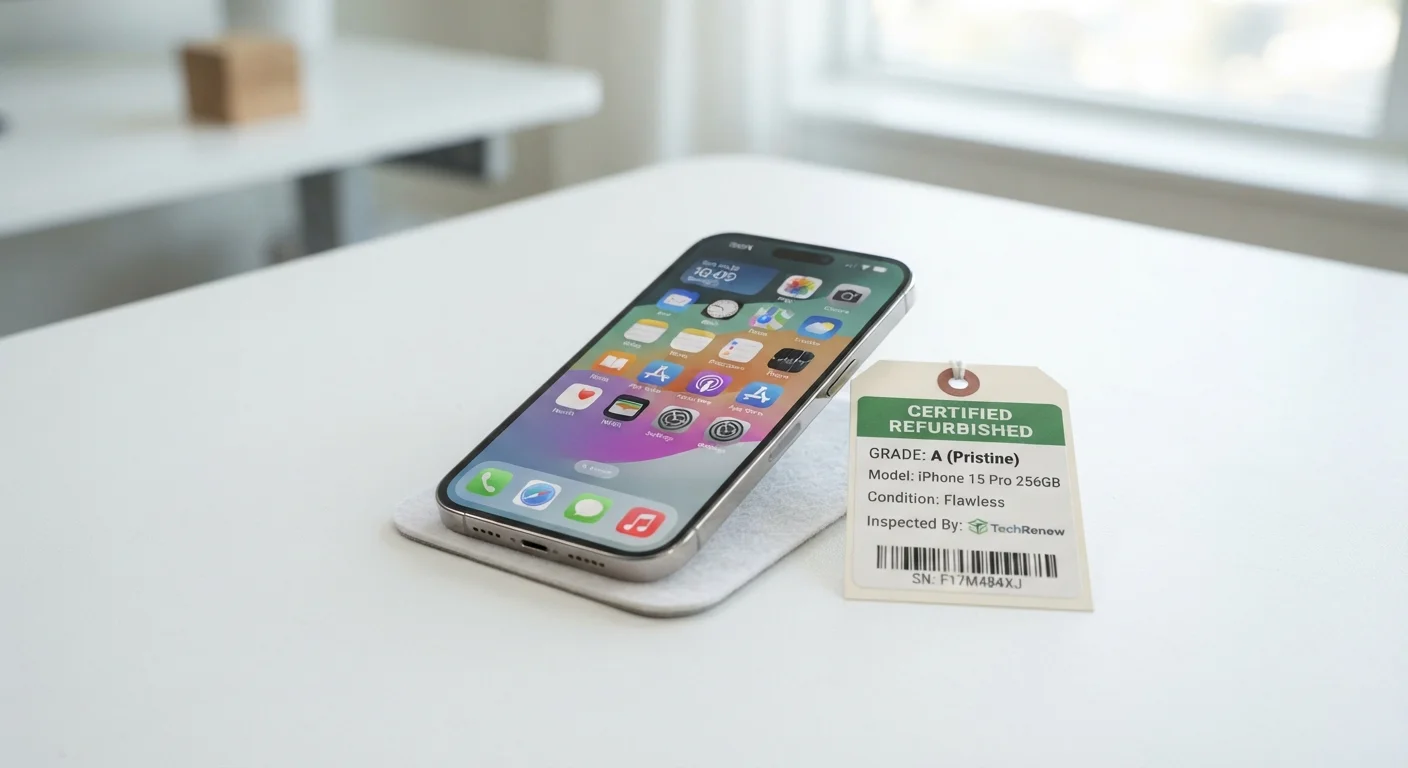
Walk into any online marketplace selling refurbished phones and you'll quickly encounter terms like Grade A, Grade B, Like New, or Excellent. The problem: none of these terms are defined by a single governing standard. Each seller - whether it's a retailer, a third-party refurbisher, or a carrier - sets its own definitions.
One seller's "Grade A" might allow minor scratches on the frame. Another's might require a flawless screen but permit scuffs on the back. Without a universal rubric, the label tells you what that seller considers acceptable, not what an independent standard would certify.
The most reliable approach is to read the grade definition provided in the product listing itself - not just the grade name. Look for language that specifies screen condition, body wear, and whether original parts were used. If that detail is absent, that's a meaningful signal about seller transparency. For a quick reference on device-related terminology you may encounter, see the smartphone glossary.
Manufacturer-Certified vs. Third-Party Refurbished
Manufacturer-certified refurbishment programs - offered directly by device makers or authorized partners - typically follow documented testing protocols and use original components. Third-party refurbishers vary considerably in rigor. Neither category is inherently unreliable, but manufacturer-certified programs tend to offer more consistent disclosure and warranty terms. Always check which category applies before comparing prices.
Cosmetic Condition vs. Internal Component Health
Grade labels almost exclusively describe cosmetic condition - how the device looks. They typically say nothing about the health of internal components, which matters far more to day-to-day performance.
The two most important internal factors to investigate are battery health and display authenticity. Smartphone batteries degrade with charge cycles over time. A phone graded "Excellent" cosmetically could have a battery holding only 75% of its original capacity - meaning noticeably shorter use between charges from day one.
Display replacement is another concern. Some refurbishers use aftermarket screens rather than original manufacturer panels. These can look similar but may have lower brightness, reduced color accuracy, or diminished touch sensitivity. Manufacturer-certified refurbishment programs generally commit to using original or OEM-equivalent (original equipment manufacturer) parts, which reduces this risk.
15%
Estimated global smartphone market share that is refurbished
Industry analysts estimate the refurbished smartphone segment accounts for roughly 10-15% of global handset sales, with growth driven by cost sensitivity and sustainability awareness.
80%+
Battery health threshold most experts recommend
Consumer technology guides and device manufacturers commonly cite 80% retained battery capacity as a minimum acceptable threshold for a secondhand device purchase.
Pros and Cons of Buying Refurbished
Understanding the trade-offs helps set realistic expectations before you commit.
Meaningful cost savings over new devices
Refurbished phones are typically sold at a significant discount compared to their new retail price, making higher-specification models accessible at lower price points.
Reduced environmental impact
Extending the usable life of a device reduces electronic waste and the demand for raw materials used in new manufacturing.
Access to older models no longer sold new
If you prefer a specific phone that's been discontinued, the refurbished market is often the only practical way to find it.
Manufacturer-certified programs offer quality assurance
Programs run by device manufacturers or authorized partners often include standardized testing, genuine parts, and warranties comparable to new-device coverage.
Grading standards vary widely by seller
Without a universal definition, the same grade label from two different sellers can describe meaningfully different device conditions.
Battery health is rarely guaranteed
Many refurbished listings do not disclose battery capacity, and a degraded battery can substantially shorten usable screen time from the start.
Non-original parts may affect performance
Third-party screens or components can reduce display quality or touch responsiveness compared to original manufacturer parts.
Shorter or limited warranty coverage
Refurbished devices from third-party sellers may come with warranties far shorter than what a new phone would include, leaving less protection if issues emerge.
Software support lifespan may already be shortened
An older refurbished model may be near or past its scheduled end of software support, limiting access to security updates and new features.
What to Ask Before You Buy
Armed with the right questions, you can filter out listings that rely on vague labeling. Before purchasing any refurbished phone, consider asking or confirming:
- Battery health percentage: Many sellers will disclose this if asked. A figure at or above 85% is generally considered acceptable for used devices.
- Screen origin: Is it an original panel or a third-party replacement? Manufacturer-certified programs typically specify this.
- Warranty terms: A seller confident in their refurbishment process will offer at least a 90-day warranty. Longer is better.
- Return window: A 30-day return policy gives you enough time to assess real-world performance, not just a quick unboxing.
- Carrier lock status: Confirm whether the device is unlocked or tied to a specific carrier before purchase.
If a listing can't answer these questions, that gap in transparency is itself useful information. For context on whether a refurbished model makes sense given your current device's age, explore the signs that a phone is genuinely past its prime.
The content on this site is for informational purposes only and is not a substitute for professional advice. Always consult a qualified professional for guidance specific to your situation.