

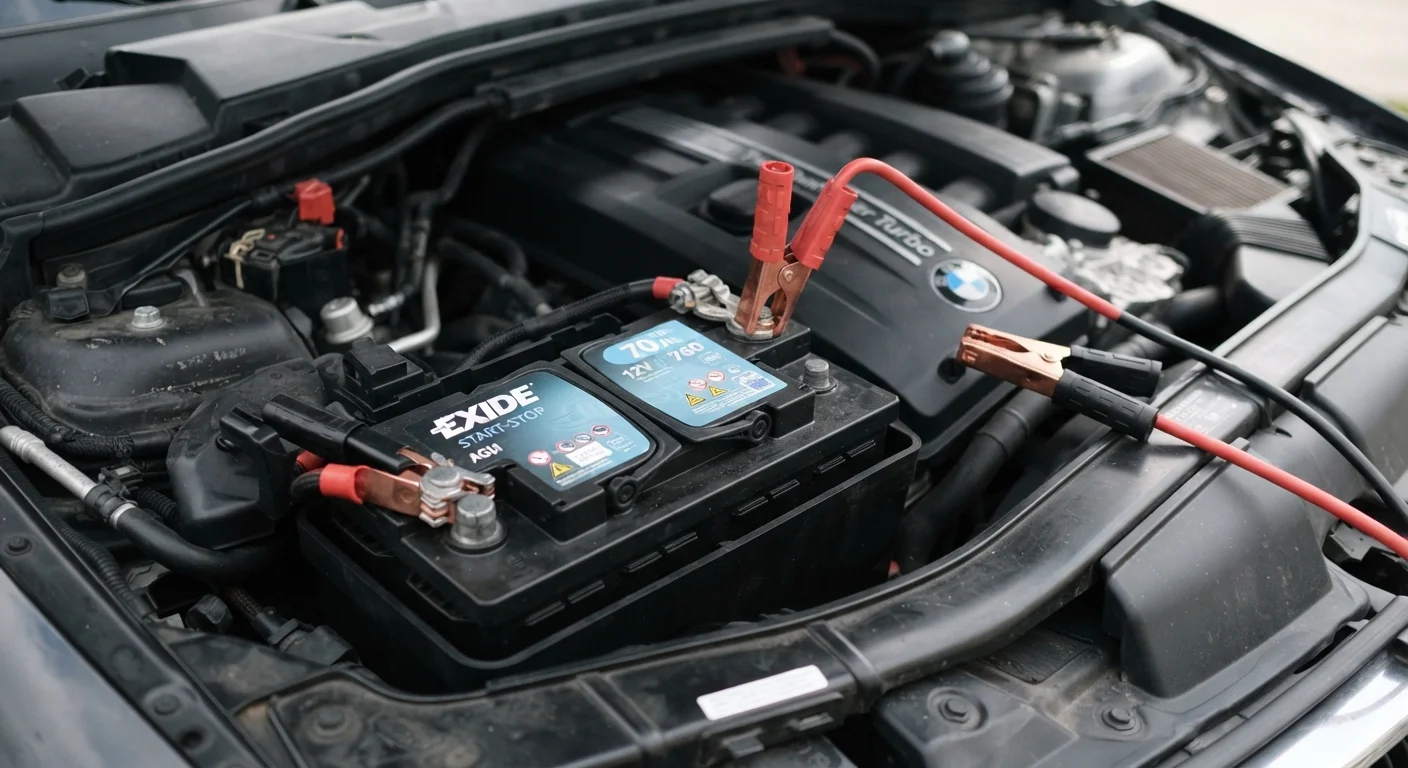
Why Car Batteries Fail Earlier Than They Should
A dead battery is rarely a sudden surprise - it's usually the result of weeks or months of small, compounding stresses. Most standard 12-volt lead-acid batteries are built to last three to five years, but poor habits can cut that lifespan significantly shorter. Understanding what wears a battery down is the first step toward preventing an inconvenient breakdown.
The two biggest threats to battery health are temperature extremes and chronic undercharging. Heat speeds up internal chemical reactions and accelerates corrosion; cold thickens engine oil and forces the battery to work harder at startup. Short daily commutes - typically under 20 minutes - don't give the alternator enough time to fully replenish the charge the battery used to start the engine. Over weeks, this partial-charge cycle progressively weakens the battery's capacity.
For a broader picture of how battery care fits into overall vehicle health, see our car maintenance schedule guide.
3-5 years
Typical car battery lifespan
AAA estimates most conventional 12-volt batteries last between three and five years under normal driving conditions.
1 in 5
Dead battery calls to roadside assistance
AAA roadside assistance data has consistently shown that battery-related calls represent roughly 20% or more of total service requests.
Proven Habits That Protect Battery Life
The practices below address the most common causes of early battery failure. None require special tools or mechanical expertise - they're straightforward habits any driver can build into their routine.
Take a longer drive at least once a week to allow the battery to fully recharge.
Every engine start draws a significant burst of power from the battery. The alternator recharges it while the engine runs, but this process takes time. If most of your trips are short, the battery never fully recovers, and its overall capacity gradually declines.
Turn off all lights and accessories before shutting down the engine.
Lights, phone chargers, and entertainment systems draw power directly from the battery when the engine is off. Even a small continuous drain - called a parasitic draw - can flatten a battery overnight or over a weekend.
Inspect battery terminals for corrosion every few months.
Corrosion - the white or bluish crust that builds up on battery terminals - increases electrical resistance, which means less power reaches the starter. Catching buildup early prevents it from becoming a connection problem.
Park in a garage or shaded area during temperature extremes.
Heat is the primary accelerator of battery aging, causing internal plates to degrade faster. Cold forces the battery to deliver more power for startup while simultaneously reducing its available capacity. Moderate temperatures extend battery life.
Use a battery maintainer if the vehicle sits unused for two weeks or more.
A car sitting idle still draws small amounts of power from the battery through its computer systems and security features. Over time, this trickle depletes the battery entirely, which can cause permanent capacity loss in lead-acid batteries.
Quick Actions You Can Take Today
You don't need to overhaul your entire routine at once. Starting with a single action - especially if your battery is older than two years - can meaningfully reduce your risk of a dead start.
Make Battery Checks Part of Seasonal Prep
The best time to test your battery is before a season of extremes - either before summer heat sets in or before winter temperatures drop. Many auto parts retailers offer free battery testing as a courtesy service. Building this into your spring and fall routine catches problems before they strand you.
Knowing When a Battery Is Past Its Prime
Even well-maintained batteries eventually wear out. Slow cranking at startup, dashboard warning lights, and headlights that dim noticeably at idle are common indicators that a battery is losing capacity. A mechanic or auto parts store can perform a load test - a quick, non-invasive check that measures how well the battery holds a charge under real-world demand. This is distinct from a simple voltage reading, which only tells you the resting charge, not the battery's actual health.
If your battery is older than three years, annual testing is worthwhile. And if you're already in the habit of tracking other vehicle maintenance, battery checks integrate naturally - our guide on seasonal car care covers when to schedule them throughout the year.
A Note on AGM and Newer Battery Types
Many newer vehicles - especially those with start-stop systems or higher electrical loads - use AGM (absorbent glass mat) batteries rather than conventional flooded lead-acid batteries. AGM batteries generally tolerate partial charging better, but they still benefit from the same care habits. If you're unsure which type your vehicle uses, your owner's manual or a mechanic can confirm it. Charging or jump-starting an AGM battery incorrectly can damage it, so always verify compatibility before using a charger.
The content on this site is for informational purposes only and is not a substitute for professional advice. Always consult a qualified professional for guidance specific to your situation.