

Why Most Maintenance Schedules Fail - and How to Fix That
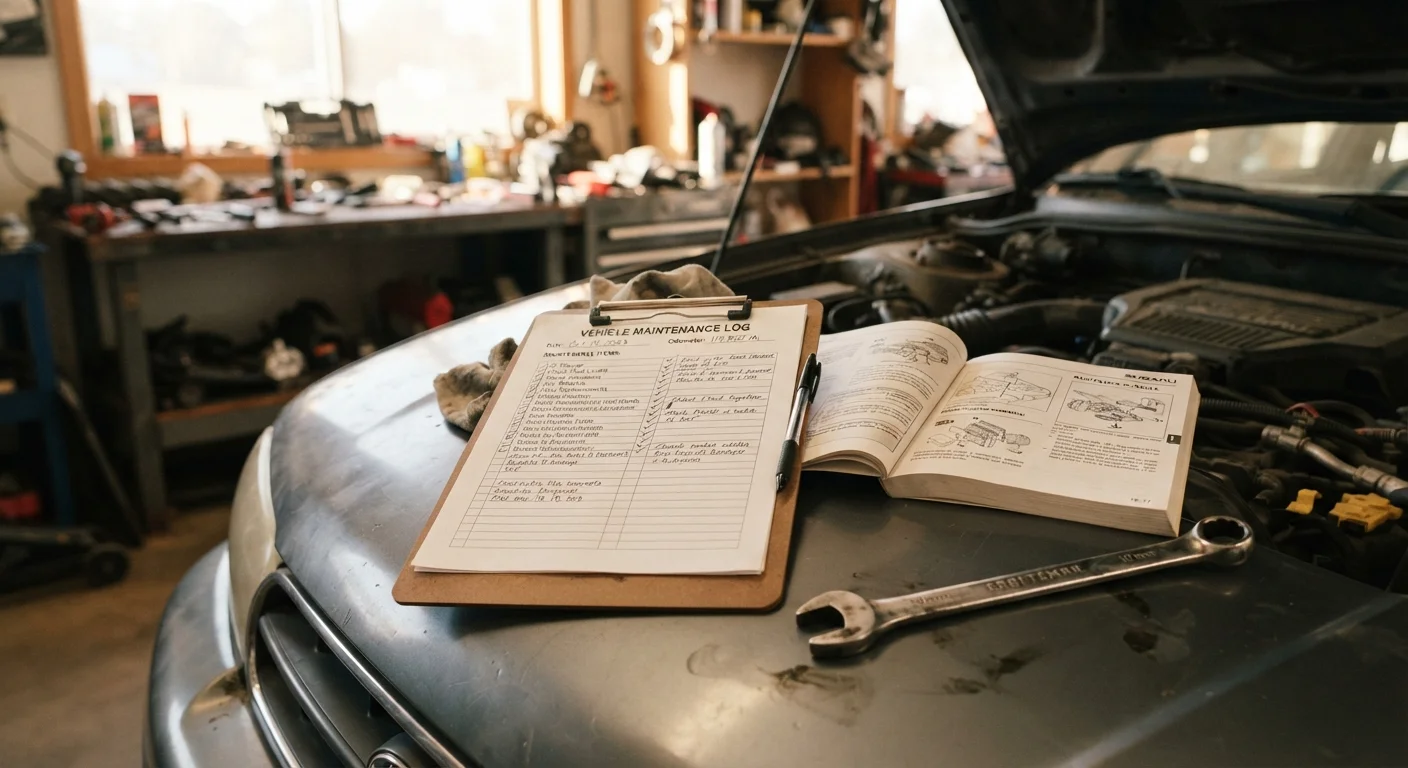
The most common reason cars end up neglected isn't laziness - it's that drivers rely on memory or vague rules of thumb instead of a documented plan. When a specific due date isn't written anywhere, it's easy to assume there's still time until a dashboard warning light says otherwise. A realistic, personalized maintenance schedule removes that ambiguity entirely.
For a broader view of what routine upkeep involves, the car maintenance hub covers essential tasks that keep a vehicle running safely and efficiently. And if you're weighing which jobs to tackle yourself versus which require a professional, DIY vs. taking it to a shop walks through how to tell the difference.
What you will need
Owner's Manual
Provides manufacturer-specified service intervals and fluid requirements for your exact vehicle.
Maintenance Log or App
Records completed services so you can track patterns and avoid missed or duplicate work.
Calendar or Reminder App
Sends alerts when time-based or estimated mileage-based services are approaching.
Step-by-Step: Building Your Schedule
Follow these steps using your owner's manual and current vehicle records. The entire process takes under an hour and can be revisited in minutes during your twice-yearly review.
Pull Out Your Owner's Manual and Note Every Service Interval
Your manufacturer's maintenance schedule is the foundation of everything. Open the manual to the scheduled maintenance section and list every service item - oil changes, tire rotations, spark plug replacement, transmission fluid, coolant flush, and so on - along with the recommended interval in miles and/or months. These intervals are engineered for your specific engine, so treat them as your baseline, not a suggestion.
Identify Your Driving Conditions
Most owner's manuals list two maintenance tracks: normal and severe. Severe conditions include frequent short trips under five miles, stop-and-go city driving, towing, extreme temperatures, or driving on dusty or unpaved roads. Honest assessment matters - many US drivers who consider themselves average actually qualify as severe-duty based on daily commute patterns. If that's you, follow the shorter intervals listed under severe service.
Record Your Current Odometer Reading and Known Service History
Write down today's mileage. Then note the mileage at which each major service was last performed, using receipts, a prior log, or the dealership's service records if available. This tells you exactly how far you are from each upcoming interval - rather than estimating blindly. If records are unavailable for a used vehicle, a qualified mechanic can often inspect fluid condition and components to help estimate where you stand.
Build a Written or Digital Maintenance Calendar
Convert your interval list into a concrete, dated schedule. For mileage-based tasks, divide the miles remaining by your average monthly mileage to estimate when each service is due. For time-based tasks, mark calendar dates directly. Group tasks that fall close together - for example, an oil change and tire rotation due at similar intervals can often be combined in one visit - to reduce trips and labor costs. A simple spreadsheet or a dedicated maintenance app both work well for this.
See our guide to keeping a maintenance log for practical advice on what to record and why it protects your vehicle's resale value.
Set Reminders and Build in a Review Habit
A schedule only works if it prompts action. Set phone or calendar reminders for each upcoming service - ideally twice: once as an early warning and once when service is imminent. Every six months, review the full schedule: update your odometer reading, check off completed work, and push forward any dates that have shifted. This brief review keeps the schedule accurate and prevents items from quietly expiring.
Generic Schedules May Not Fit Your Vehicle
Widely shared maintenance timelines (such as the old every-3,000-miles oil change rule) are outdated for many modern vehicles. Always cross-reference any general guidance with your owner's manual, since manufacturers engineer service intervals specifically for each engine and drivetrain. Following the wrong schedule can result in unnecessary expense or, worse, missed critical service.
Use Your Phone's Calendar to Your Advantage
Set recurring reminders six months and one year out for time-based services like cabin air filter replacement or brake fluid checks. Pairing mileage-based tasks with a typical monthly mileage estimate gives you a reliable heads-up before the service is actually due - so you can plan the shop visit on your schedule, not in a panic.
Adapting Your Schedule Through the Year
US driving conditions shift with the seasons, and your maintenance schedule should reflect that. Cold winters accelerate battery wear and affect tire pressure; hot summers stress cooling systems and air conditioning components. Building season-specific checks into your calendar - rather than relying solely on mileage intervals - gives your vehicle more complete protection year-round.
For a detailed seasonal breakdown, see Seasonal Car Care: Keeping Your Vehicle Ready All Year Long, which covers spring brake checks through winter battery preparation for US drivers. Staying current with maintenance also supports safer driving overall - a theme covered in depth in our Driving & Safety hub.
Never Skip Safety-Critical Maintenance
Brakes, tires, and steering components are directly tied to crash risk. Delaying service on these systems can endanger you and other road users. If you notice warning signs - unusual noises, vibration, or dashboard alerts - have the vehicle inspected by a qualified mechanic before following any interval-based schedule.
The content on this site is for informational purposes only and is not a substitute for professional advice. Always consult a qualified professional for guidance specific to your situation.