

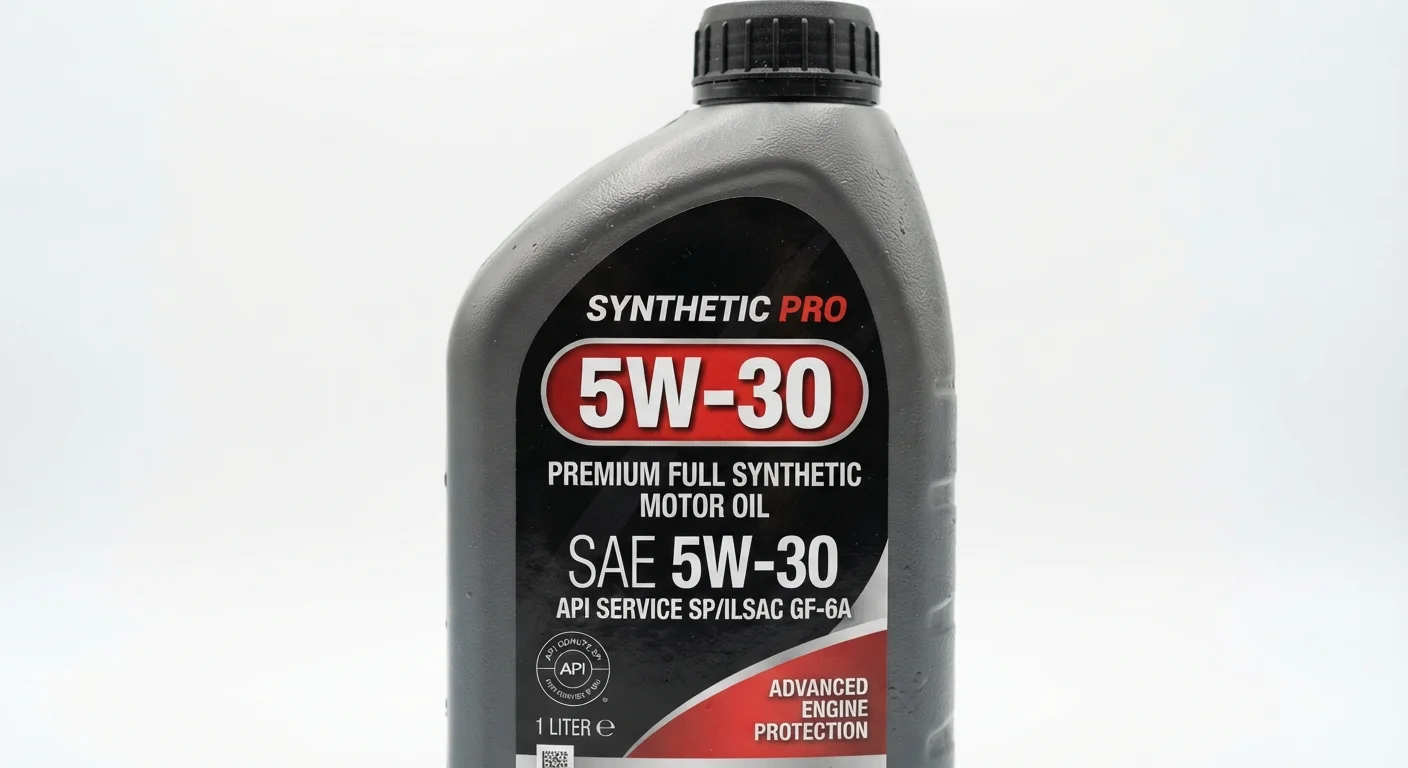
Cracking the Code: How SAE Grades Work
Pick up any bottle of motor oil and you'll see a label that reads something like 5W-30, 0W-20, or 10W-40. These aren't arbitrary numbers - they follow a standardized system developed by the Society of Automotive Engineers (SAE) to describe how an oil flows under different temperature conditions.
Every multi-grade designation has two parts separated by the letter W:
- The number before the W is the cold-temperature (winter) rating. It measures how easily the oil flows when your engine is cold - before it warms up. A lower number means better flow in freezing conditions. A 0W oil flows more freely at low temperatures than a 10W oil.
- The number after the W is the high-temperature rating. It measures the oil's viscosity once your engine reaches normal operating temperature (around 212°F). A higher number here means a thicker oil at operating heat.
So a 5W-30 oil has good cold-weather flow (rated 5 in winter conditions) and a moderate-thickness profile at operating temperature (rated 30). A 10W-40
~40% Engine wear that occurs during cold starts Industry engineering research and tribology studies estimate a disproportionate share of total engine wear happens in the first seconds after a cold start, before oil reaches all surfaces. 0W-60 SAE cold-temperature viscosity range for passenger cars The SAE J300 standard defines multiple viscosity grades spanning from ultra-thin 0W oils to thicker 60-weight high-temperature grades for heavy-duty applications. 212°F Typical engine operating temperature for oil testing SAE high-temperature viscosity ratings are standardized at 100°C (212°F), the approximate normal operating temperature of most passenger car engines. The moments immediately after you turn the key are the most demanding for your engine. Oil has settled to the bottom of the oil pan, and until the oil pump circulates it to all the critical surfaces - bearings, camshafts, cylinder walls - those parts are running with minimal lubrication. This is why the cold-temperature rating (the number before the W) is so important. An oil that flows slowly when cold leaves parts unprotected for longer. Research from engine wear studies has consistently shown that a significant proportion of engine wear occurs during cold starts, making that first number far more than a technicality. In colder climates, a lower W rating is especially valuable. If you live where winter temperatures regularly drop below freezing, an oil rated 0W or 5W flows far more quickly than a 10W oil, reaching critical components faster. Check Your Manual Before Every Oil Change Your owner's manual lists the manufacturer-approved viscosity grades, sometimes with climate-specific alternatives. Taking 30 seconds to confirm the right grade before each oil change is one of the easiest ways to protect your engine over the long term. If you've misplaced your manual, the vehicle manufacturer's website or a qualified mechanic can confirm the specification for your year, make, and model. The single most reliable source for the right viscosity grade is your vehicle's owner's manual. Manufacturers test their engines extensively and specify a grade - sometimes a primary recommendation plus acceptable alternatives for extreme climates - based on the engine's internal clearances and lubrication system design. Climate plays a real role in choosing between acceptable alternatives. Drivers in Phoenix, Arizona, who experience 110°F summers may find their manual approves both 0W-20 and 5W-30, with the slightly thicker 5W-30 providing a more robust film at extreme heat. Drivers in Minnesota winters may prioritize a lower W number for reliable cold starts. Engine age is another factor worth noting. As engines accumulate mileage, internal tolerances can widen slightly. Some manufacturers of high-mileage oil formulations offer grades on the slightly thicker side of specifications to account for this. A qualified mechanic is the best person to advise whether a grade adjustment is appropriate for your specific engine's condition. For a deeper look at how oil type - not just grade - affects engine protection, see our comparison of synthetic and conventional motor oils. A few widely held beliefs about oil viscosity deserve a clear correction: Viscosity Grade vs. Oil Type: Two Different Things Viscosity grade (5W-30, 0W-20, etc.) describes how oil flows at different temperatures - it's the same standardized scale whether the oil is synthetic, conventional, or a blend. The oil type refers to how the base oil is refined and what additives are used. Both matter for engine health, but they answer different questions. See our synthetic vs. conventional motor oil guide for more on that distinction. Understanding viscosity grades puts you in a better position to have informed conversations with mechanics and to verify that the oil going into your engine is what your manufacturer intended.Why Cold-Start Performance Matters So Much
Matching the Grade to Your Vehicle and Climate
Common Misconceptions About Viscosity
Frequently Asked Questions
The 'W' stands for 'Winter,' not 'weight' as many people assume. It indicates that the first number applies to the oil's cold-temperature flow rating. A lower number before the W means the oil flows more freely in cold conditions, reducing engine wear during cold starts.
It's generally not recommended. Your engine is designed with specific tolerances, and the manufacturer's specified grade ensures adequate lubrication under all operating conditions. Using the wrong grade may reduce fuel efficiency, increase wear, or in some engines, affect hydraulic components like variable valve timing systems.
Not necessarily. Thicker oils can struggle to reach critical engine components quickly during cold starts. Modern engines are precision-built and often call for thinner grades like 0W-20 specifically because they flow faster and reduce wear in those first critical seconds after ignition.
The viscosity grade system applies equally to both synthetic and conventional oils - a 5W-30 synthetic and a 5W-30 conventional both meet the same SAE viscosity standards. The difference lies in base oil quality and additive performance, not the grade itself.
Some high-mileage oil formulations use a slightly higher viscosity to compensate for increased engine clearances that come with wear. Always check your owner's manual first, and consider consulting a qualified mechanic before switching grades on an aging engine.
Mixing grades isn't ideal, but in an emergency situation it won't immediately damage your engine. The resulting blend will have a viscosity somewhere between the two grades. Top off with the correct grade as soon as possible and follow your normal oil change schedule.
The content on this site is for informational purposes only and is not a substitute for professional advice. Always consult a qualified professional for guidance specific to your situation.