

The Core Problem Gap Insurance Solves
When a car is financed or leased, the loan balance and the vehicle's market value don't always move in step. New cars can lose a significant portion of their value in the first year of ownership - sometimes 15-25% - while a loan balance decreases slowly, especially in the early months when payments are weighted toward interest.
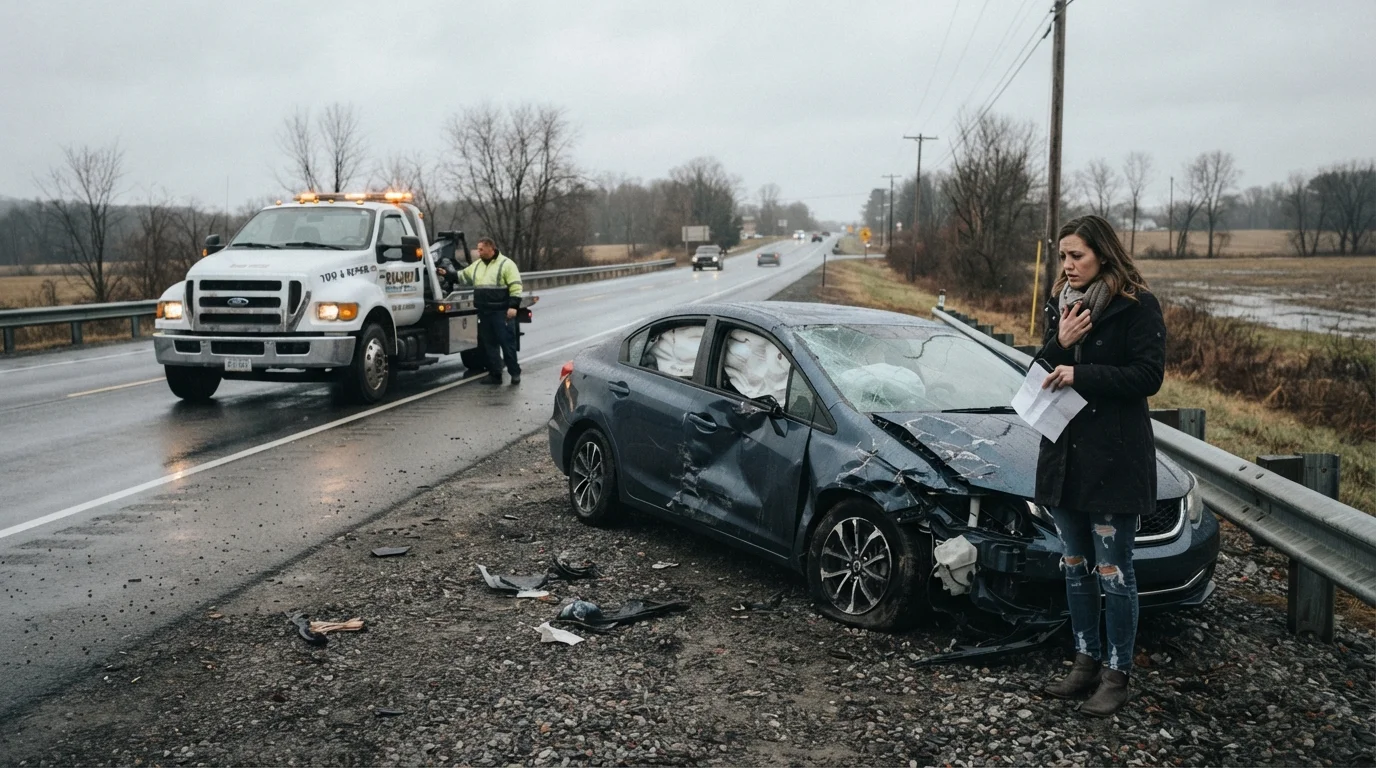
If your car is totaled in an accident or stolen, your standard auto insurance pays out the actual cash value (ACV) - what the car is worth at that moment, not what you paid for it or what you owe. If you owe $24,000 on your loan and the ACV is $19,000, your insurer sends a check for $19,000. You're still responsible for the remaining $5,000 - out of pocket, with no vehicle to show for it.
That $5,000 shortfall is exactly what gap insurance is designed to cover. See how standard auto insurance works for a fuller picture of what collision and comprehensive policies do and don't include.
20%
Average first-year vehicle depreciation
Industry estimates generally place new vehicle depreciation at 15-25% in the first year, making early loan periods the highest-risk window for a coverage gap.
~37%
New car buyers with loan terms over 60 months
According to Experian's automotive finance data, a significant share of new vehicle loans extend beyond 60 months, prolonging the period when gap coverage is most relevant.
When Gap Insurance Actually Matters
Gap insurance isn't universally necessary - its value depends on your specific financial situation at the time you finance a vehicle. It tends to matter most in these circumstances:
- Low or no down payment: Putting little money down means your loan starts close to or above the car's market value.
- Long loan terms: 60-, 72-, or 84-month loans build equity slowly. Depreciation can outpace your payoff for years.
- Leased vehicles: Lease agreements often require gap coverage because lessees don't own the vehicle and can still owe remaining payments if it's totaled.
- High-depreciation vehicles: Some makes and models lose value faster than average, widening the potential gap.
- Rolled-over negative equity: If a previous loan's remaining balance was folded into a new loan, you may owe significantly more than the car is worth from day one.
Conversely, if you made a down payment of 20% or more, have a short loan term, or are more than halfway through repayment, the gap between your balance and the car's value may have already closed - making the coverage less necessary.
Where to Get Gap Insurance and What to Watch For
Gap coverage is available from two primary sources: your auto insurance provider or the dealership's finance office. Each has trade-offs.
When purchased through an insurer, gap coverage is typically added as a rider to your existing policy at a relatively low annual cost. When purchased through a dealership, it's usually rolled into the financing - which means you pay interest on it over the life of the loan, and the upfront cost may be higher.
Compare Before You Sign at the Dealership
Dealership-offered gap insurance is convenient but can carry a higher total cost when interest is factored in over a long loan. Request the price from your existing auto insurer before agreeing to a dealership product. A few phone calls could reveal a meaningfully lower cost for similar protection.
Before buying, read what the policy actually covers. Some gap products exclude certain fees, deductibles, or overdue payments. For example, if you have a $1,000 collision deductible, some gap policies will not cover that amount - check the terms. For a deeper look at how to read policy language, see decoding auto insurance fine print.
Also consider whether the coverage is transferable if you refinance. Some dealership-issued gap products are tied to the original lender. If you refinance with a new lender, you may need new coverage.
Skipping gap insurance when your loan-to-value ratio is high is a common oversight among first-time buyers. New car owners frequently encounter this pitfall alongside other coverage gaps worth knowing about.
This article is for general informational purposes only and does not constitute financial or insurance advice. Consult a licensed insurance professional for guidance specific to your situation.
Frequently Asked Questions
No, gap insurance is not legally required in any US state. However, some lenders or leasing companies may require it as a condition of financing. Always review your loan or lease agreement to see if it's mandated.
Yes. If your car is stolen and not recovered, your comprehensive coverage will pay the actual cash value. If that amount is less than what you owe, gap insurance covers the remaining balance.
No. Gap insurance only applies when a vehicle is declared a total loss or stolen. It does not cover repairs, maintenance, or mechanical breakdowns. Those situations are handled by collision, comprehensive, or warranty coverage.
Gap coverage is most useful in the early years of a loan, when depreciation is steepest and your loan balance is highest. Once your remaining loan balance falls below the car's market value, you can typically drop the coverage.
As a general rule, purchasing gap coverage through your auto insurer tends to cost less than buying it from a dealership. However, pricing varies, so it's worth comparing what each option includes before deciding.
The content on this site is for informational purposes only and is not a substitute for professional advice. Always consult a qualified professional for guidance specific to your situation.