

What Renovation Work Actually Releases Into Your Air
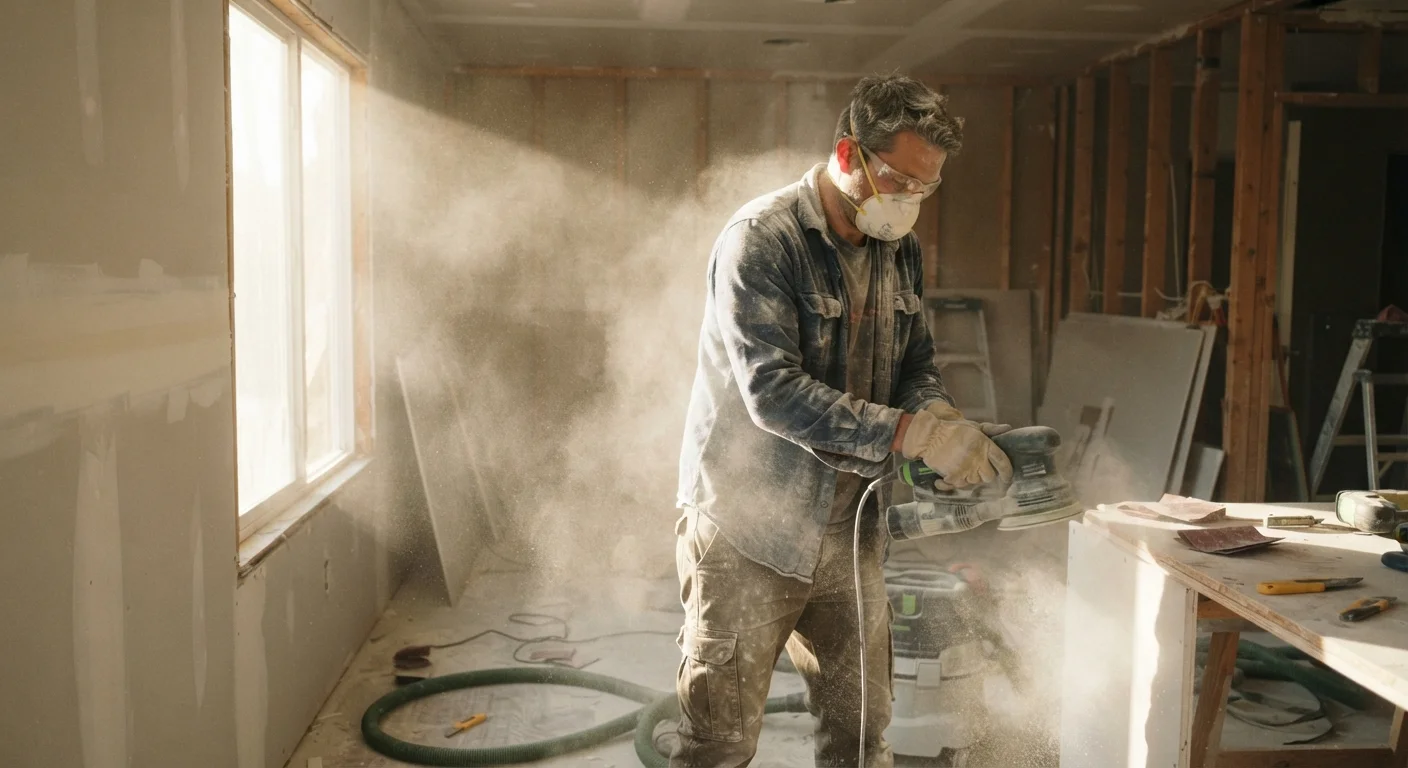
Most homeowners think about renovation hazards in terms of accidents - a dropped tool or a slipped ladder. But the invisible chemistry happening in the air around you is just as worth understanding. When you sand drywall, cut cement board, strip old finishes, or apply fresh coatings, you release two broad categories of pollutants: particulate matter (solid particles suspended in air) and chemical vapors (gases off-gassed from materials).
Particulate matter ranges from large, visible dust that settles quickly to fine particles called PM2.5 - particles smaller than 2.5 micrometers in diameter that float for hours and can reach deep into your respiratory system when inhaled. Sanding drywall compound, cutting fiber cement siding, or grinding tile all generate significant PM2.5.
Chemical vapors come primarily from volatile organic compounds (VOCs) present in paints, stains, varnishes, construction adhesives, caulks, and laminate flooring. These compounds evaporate at room temperature, meaning the smell you notice when opening a can of paint is actually VOC off-gassing already underway. New flooring, cabinetry, and engineered wood products can continue releasing VOCs for days to weeks after installation - a process sometimes called off-gassing.
HVAC Systems Can Spread Dust Throughout Your Home
If your HVAC system is running during renovation work, it can pull dust and VOCs from the work area and distribute them to every room in the house through the duct system. Close supply and return vents in the work zone during active work, and replace your air filter promptly after the project wraps up. This is especially important during heavy dust-generating tasks like drywall sanding or tile cutting.
Before any major project, review the pre-renovation checklist to make sure air quality planning is part of your preparation, not an afterthought.
Older Homes: The Hidden Hazards Under the Surface
If your home was built before 1978, renovation work carries an additional layer of risk: lead-based paint. Lead was a common ingredient in residential paint until it was banned for that use. Sanding, scraping, or otherwise disturbing surfaces coated with lead paint releases lead dust - a serious health hazard, particularly for children and pregnant individuals. This is not a situation where extra ventilation alone is sufficient protection.
Homes built before the 1980s may also contain asbestos in insulation, floor tiles, ceiling tiles, pipe wrap, and joint compound. Asbestos fibers are microscopic and, when airborne, can cause serious long-term lung disease. If you suspect asbestos-containing materials, stop work and consult a certified asbestos inspector before proceeding. Disturbing asbestos without proper containment and removal protocols is dangerous and, in many jurisdictions, illegal without a licensed contractor.
2-5x
Higher VOC levels indoors vs. outdoors during renovation
The U.S. Environmental Protection Agency has noted that indoor air pollutant concentrations, including VOCs, can be two to five times higher indoors than outdoors - and renovation activity can push levels significantly above baseline.
Pre-1978
Age threshold for likely lead paint presence
The EPA and CDC identify homes built before 1978 as having a higher probability of containing lead-based paint, making pre-renovation testing strongly advisable before any sanding or scraping.
48-72 hrs
Peak off-gassing window after paint or finish application
VOC emissions from freshly applied paints, varnishes, and adhesives are generally highest in the first 48 to 72 hours after application, according to general indoor air quality guidance.
These legacy materials are one reason that the home improvement myths that cost homeowners money explicitly cautions against assuming older surfaces are safe to sand without testing first.
Ventilation, Containment, and Protection: Your Three Lines of Defense
Managing renovation air quality comes down to three overlapping strategies:
- Containment: Isolate the work area from the rest of your home. Seal doorways with plastic sheeting and painter's tape, and close HVAC vents in the work zone to prevent dust and vapors from traveling through your duct system. Remove or cover furniture and soft furnishings that will absorb particles and VOCs.
- Ventilation: Open windows and use fans to direct contaminated air out of the space rather than circulating it further inside. Ideally, create negative pressure in the work area - meaning air flows in from the rest of the house rather than out into it. For chemical-heavy work, sustained cross-ventilation during and after application is essential. Note that simply opening a window in the work room is helpful but often insufficient on its own.
- Respiratory protection: Wear the right respirator for the task. An N95 respirator filters at least 95% of airborne particles and is appropriate for most dust-generating tasks. For solvent-based products, paints, or strippers, upgrade to a half-face respirator with organic vapor (OV) cartridges. Standard paper dust masks do not provide adequate protection for fine particles or vapors.
Post-Project Air Purifier Tip
After finishing renovation work, run a portable HEPA air purifier in the affected room for at least four to six hours before allowing household members - especially children - back into the space. HEPA filters capture particles down to 0.3 microns, making them effective at clearing fine construction dust that standard ventilation alone may leave behind.
After work wraps up, run a portable HEPA air purifier in the affected area for several hours to capture any remaining fine particles before reopening the space to household members.
After the Project: What Lingers and What to Do About It
Once tools are put away, air quality concerns don't automatically end. Newly installed materials - flooring, cabinetry, carpet, paint - continue to off-gas VOCs as they cure and dry. The highest off-gassing rates typically occur in the first 48-72 hours, but lower-level emissions can persist for weeks depending on the product and ventilation conditions.
Practical steps to reduce post-renovation exposure include:
- Keep windows open and run fans for at least 48-72 hours after applying paints, finishes, or adhesives.
- Delay reoccupying rooms with new flooring or fresh paint for as long as practically possible.
- Store leftover chemicals, paints, and solvents outside the living space in a ventilated area or dispose of them properly through local hazardous waste programs.
- Replace HVAC filters after major renovation work, since fine dust accumulates in the filter media and can recirculate if left in place.
If your home develops a persistent musty or chemical smell after renovation, explore common causes of lingering indoor odors - sometimes the issue points back to materials or ventilation gaps from the project itself.
For larger projects that affect your home's structure or HVAC layout - like removing walls - air quality considerations extend further. Open-plan renovations change more than just your floor plan, including how air moves through your home, which affects dust distribution and ongoing ventilation.
This article provides general educational information about indoor air quality during home renovation. It is not a substitute for professional health, safety, or environmental assessment. Always consult a qualified professional before disturbing suspected hazardous materials such as lead paint or asbestos.
Frequently Asked Questions
Fine particles from sanding or cutting can remain airborne for several hours after work stops, especially in still indoor air. Heavier dust settles faster, but PM2.5 particles - small enough to inhale deeply - can linger much longer. Running an air purifier with a HEPA filter helps clear them more quickly.
It depends on the type of work and how well the work area is sealed off. If VOC-heavy products like solvent-based paints or adhesives are in use, or if sanding is generating significant dust, sleeping in adjacent rooms may expose you to elevated pollutant levels. Sealing doorways with plastic sheeting and running ventilation can reduce risk, but temporary relocation is worth considering for intensive projects.
A standard paper dust mask (sometimes called a nuisance mask) does not filter fine particles or vapors effectively. For dust from sanding or cutting, an N95 respirator is the minimum recommended protection. For chemical vapors from paints or strippers, you need a respirator with organic vapor cartridges. Always match the respirator to the specific hazard.
Homes built before 1978 have a higher likelihood of containing lead-based paint. You can purchase an EPA-recognized lead test kit at most hardware stores, or hire a certified inspector to test surfaces. If lead is found, do not sand or disturb the paint without following EPA's Renovation, Repair, and Painting (RRP) guidelines or hiring a certified contractor.
VOCs (volatile organic compounds) are carbon-containing chemicals that evaporate at room temperature, releasing gases into the air. They are found in paints, varnishes, adhesives, caulks, and flooring products. Short-term exposure can cause headaches, dizziness, and eye irritation; some VOCs are suspected or known carcinogens with long-term exposure. Maximizing ventilation during and after application dramatically reduces indoor concentrations.
Any work that may disturb suspected asbestos-containing materials or confirmed lead paint should involve a certified professional - this is not a DIY situation. Similarly, work on HVAC ducts, structural elements, or any task requiring a permit typically calls for licensed trades. When in doubt, a professional assessment before starting protects both your health and your home.
The content on this site is for informational purposes only and is not a substitute for professional advice. Always consult a qualified professional for guidance specific to your situation.