

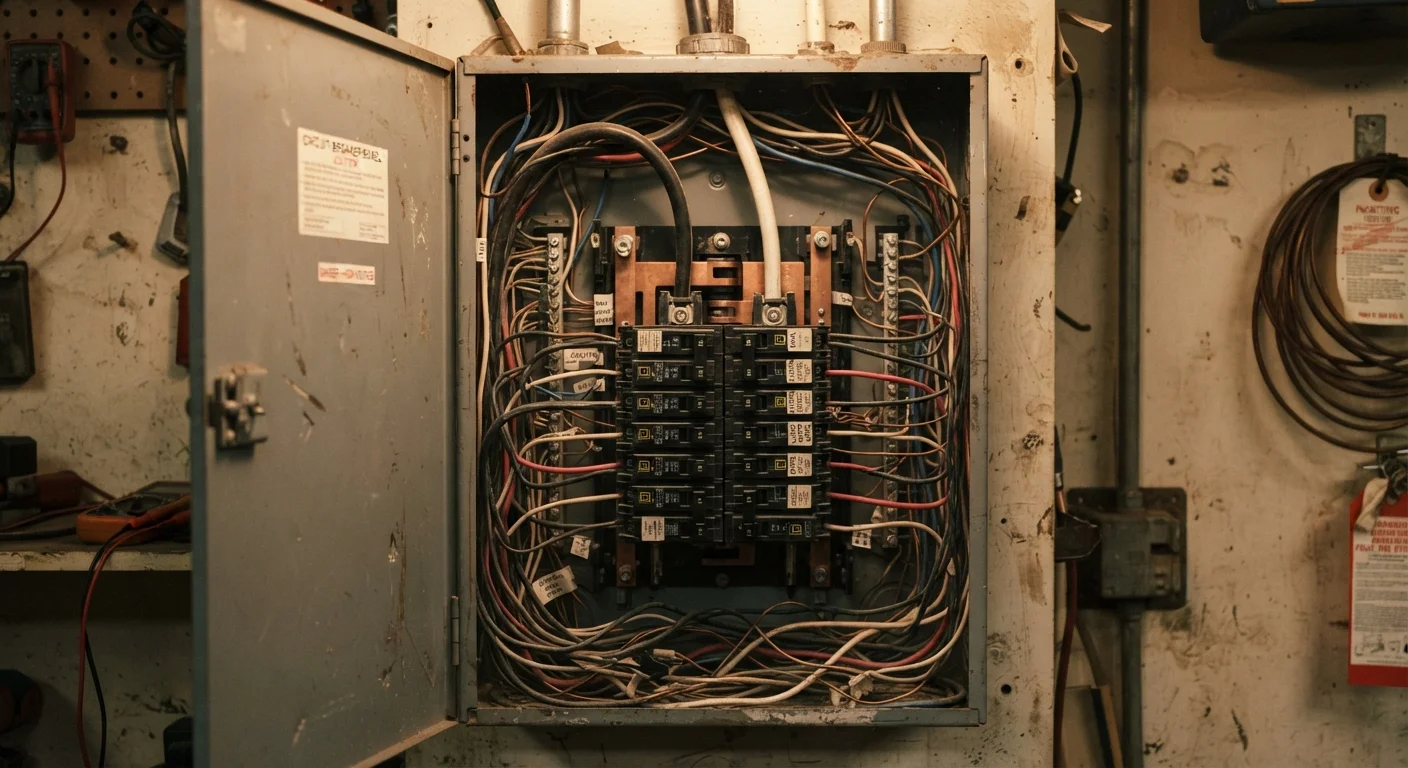
The Appeal - and the Real Risk - of DIY Electrical Work
Electrical projects can seem tempting to tackle yourself. Swapping an outlet or replacing a light fixture looks straightforward on a video tutorial, and the materials cost far less than a service call. But electricity punishes mistakes in ways that are invisible until they aren't - think smoldering insulation inside a wall or a shock from a wire you believed was de-energized.
The distinction that matters most isn't your skill level - it's whether the work is genuinely low-risk and code-compliant for a homeowner to perform, or whether it falls into a category that carries serious safety and legal consequences. Before any project that touches your home's systems, it's worth reviewing a pre-project checklist that covers permits, utility locations, and scope verification.
Permits Protect You - Skipping Them Has Real Consequences
Unpermitted electrical work is one of the most common issues flagged during home sales and insurance claims. If a fire or injury occurs in connection with unpermitted work, your homeowner's insurance may deny coverage. Always check permit requirements with your local building department before beginning any electrical project beyond simple like-for-like device replacement.
Common DIY Electrical Mistakes - and How to Avoid Them
These are the errors that show up most often in failed inspections, insurance claim denials, and electrical fires. Each one is preventable with the right knowledge.
Assuming the breaker being off means all wires in the area are safe.
Why it happens: Homeowners flip the breaker for the circuit they're working on and reasonably assume that makes the area safe. However, some wiring - especially near panels, in multi-wire branch circuits, or feeding switch loops - can remain energized from a different breaker.
Using the wrong wire gauge for the circuit's amperage.
Why it happens: Wire gauge sizing isn't intuitive - a larger gauge number means a thinner wire. Homeowners often reuse whatever wire is on hand or match what they see already installed without verifying the circuit's amperage rating.
Making wire connections outside of an accessible, covered junction box.
Why it happens: It's tempting to splice wires inside a wall cavity or ceiling to extend a run without adding a box. It saves time and looks cleaner from the outside.
Skipping permits for work that legally requires them.
Why it happens: Permits seem like bureaucratic overhead, especially for work that feels minor. Many homeowners don't realize that even a single new outlet on a new circuit typically requires a permit in most US jurisdictions.
Over-tightening or under-tightening wire connections at terminals.
Why it happens: Without a torque screwdriver, it's difficult to judge proper terminal tightness by feel. Both overtightening and loose connections cause problems that develop slowly.
Installing the wrong type of outlet or switch for the location.
Why it happens: Standard outlets and switches look interchangeable from the outside. Homeowners often replace a failed device with whatever matches visually, without checking whether the location requires GFCI, AFCI, or tamper-resistant protection.
Which Electrical Jobs Should Always Go to a Licensed Electrician
Some tasks genuinely are reasonable for informed homeowners in many jurisdictions - replacing a like-for-like outlet on a working circuit, for example, or installing a ceiling fan where wiring already exists. But the following categories carry enough risk and regulatory weight that professional involvement isn't just advisable, it's typically required by law:
- Panel and service upgrades - Adding circuits, upgrading your main panel, or increasing service capacity involves live utility connections and requires permits in virtually every US jurisdiction.
- Subpanel installation - Running a new subpanel for a garage, workshop, or addition is a permitted project that must pass inspection.
- New branch circuits - Adding a dedicated circuit for a major appliance (EV charger, HVAC equipment, hot tub) requires a permit and licensed work in most states.
- Knob-and-tube or aluminum wiring modifications - Older wiring systems have specific compatibility requirements; connecting modern devices improperly creates fire risk.
- Any work in a wet or outdoor location - Bathrooms, kitchens near water sources, exterior outlets, and pools involve GFCI requirements and weatherproofing standards that carry higher stakes.
The logic is similar to knowing when a vehicle job needs a qualified mechanic - some tasks are safe to attempt yourself, others genuinely are not. Our article on DIY vs. professional car maintenance covers that same decision framework in a different context.
~51,000
Home electrical fires per year in the US
The U.S. Fire Administration has estimated roughly 51,000 home electrical fires occur annually, resulting in significant injuries and property loss.
~33%
Electrical fires attributed to wiring and related equipment
According to the National Fire Protection Association, wiring and related equipment is one of the leading causes of home electrical fires, underscoring the importance of proper installation.
When in doubt about scope, call your local building department before starting - not after. Asking about permit requirements is free, and the answer will tell you exactly where the line is in your municipality.
This article is for general informational purposes only. It is not a substitute for advice from a licensed electrician or your local authority having jurisdiction. Always verify permit requirements and applicable codes with your local building department before beginning any electrical work.
The content on this site is for informational purposes only and is not a substitute for professional advice. Always consult a qualified professional for guidance specific to your situation.