

Two Credit Score Factors Most Affected by a Closure
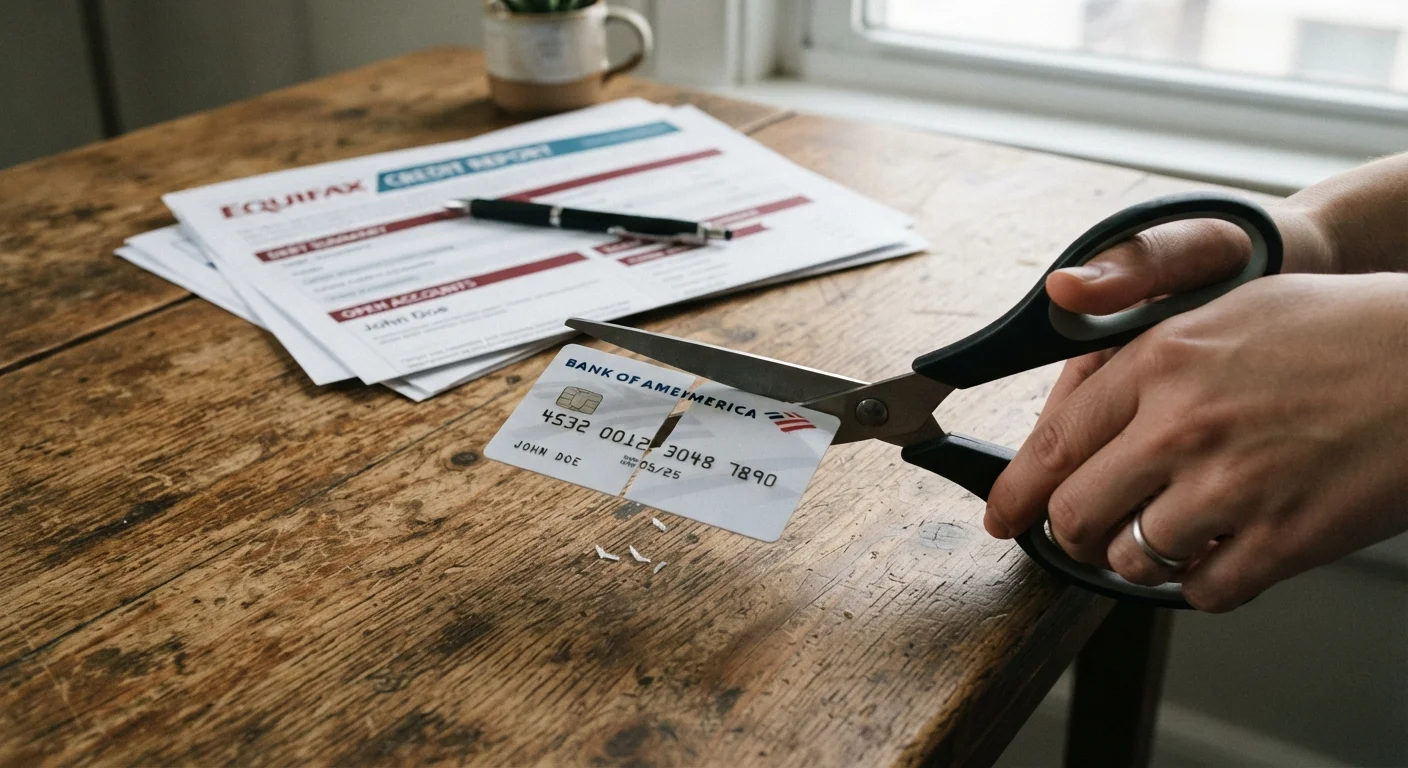
When you close a credit account, two scoring factors take the most immediate hit: credit utilization and length of credit history. Understanding how each works helps you predict the real damage - or determine there isn't much at all.
Credit utilization is the percentage of your total available revolving credit that you're currently using. If you have three cards with a combined limit of $15,000 and carry $3,000 in balances, your utilization is 20%. Close one card with a $5,000 limit and suddenly your available credit drops to $10,000 - pushing utilization to 30%. Scoring models generally reward keeping utilization below 30%, and ideally below 10%. See our complete breakdown of credit score factors for more on how utilization is weighted.
Length of credit history accounts for roughly 15% of a standard FICO score. This includes the age of your oldest account, your newest account, and the average age of all accounts. Closing your oldest card can meaningfully reduce your average account age - though it won't immediately vanish from your report.
~30%
Utilization threshold to avoid for a strong score
Credit scoring experts broadly recommend keeping revolving credit utilization below 30% - and ideally under 10% - for the best scoring outcomes.
15%
Weight of credit history length in FICO scoring
According to FICO's published scoring breakdown, the length of your credit history accounts for approximately 15% of your overall score.
10 years
Time a positive closed account stays on your report
The major credit bureaus typically retain closed accounts with positive history for up to 10 years, per standard credit reporting practices.
What Happens to the Account After You Close It
Here's a detail many consumers overlook: a closed account doesn't instantly disappear from your credit file. A credit card you closed in good standing - meaning no missed payments or defaults - can remain visible on your report for up to 10 years. During that window, it continues to factor into your credit history length.
This means the damage from closing an old account is often more gradual than immediate. The real hit to your average account age tends to arrive once the closed account finally ages off your report years later - especially if it was your oldest tradeline.
Accounts closed with negative history (such as collections or charge-offs) also remain on file, but for only seven years. Closing a troubled account doesn't accelerate the removal of those negative marks. Lesser-known credit score influences like this often catch consumers off guard.
Before You Close: Run a Quick Utilization Check
Add up the credit limits on all your open cards, then subtract the limit on the card you plan to close. Divide your current total balance by the new available credit. If that number exceeds 30%, consider paying down other balances first - or keeping the card open with a zero balance to protect your utilization ratio.
When Closing an Account May Still Make Sense
Protecting your credit score isn't always the only consideration. There are situations where closing an account is a reasonable financial decision - even knowing the potential score impact.
- High annual fees: If a card charges a fee you can no longer justify, the score hit may cost less than the annual charge over time.
- Fraud or security risk: A compromised or misused account may warrant immediate closure regardless of the credit impact.
- Temptation to overspend: For some consumers, eliminating access to a card is a deliberate budgeting tool. Financial wellbeing matters too.
If you do decide to close an account, consider paying down balances on remaining cards first to offset the utilization increase. Also be aware that your credit score affects more than just credit cards - as explained in our article on how credit scores influence car loan rates.
This article is for general informational and educational purposes only and does not constitute personalized financial or credit advice. Consult a qualified financial professional regarding decisions specific to your situation.
Frequently Asked Questions
It often can, at least temporarily. Closing a card reduces your total available credit, which raises your utilization ratio if you carry balances on other cards. It can also lower your average account age if the card was one of your older accounts.
A closed account in good standing typically remains on your credit report for up to 10 years from the date of closure. During that time, it can still contribute positively to your credit history length.
If the card has no annual fee and a long history, keeping it open and occasionally using it is generally better for your score. Closing it removes available credit and could shorten your credit history over time.
No. Closing an account does not erase negative history such as late payments. Those marks remain on your report for up to seven years regardless of whether the account is open or closed.
Yes. Closing an account eliminates that card's credit limit from your total available credit. If you have balances on other cards, your utilization percentage will increase, which can lower your score.
Generally yes, provided there is no annual fee or security risk. Keeping an old account open preserves your available credit and supports a longer average account age, both of which benefit your score.
The content on this site is for informational purposes only and is not a substitute for professional advice. Always consult a qualified professional for guidance specific to your situation.