

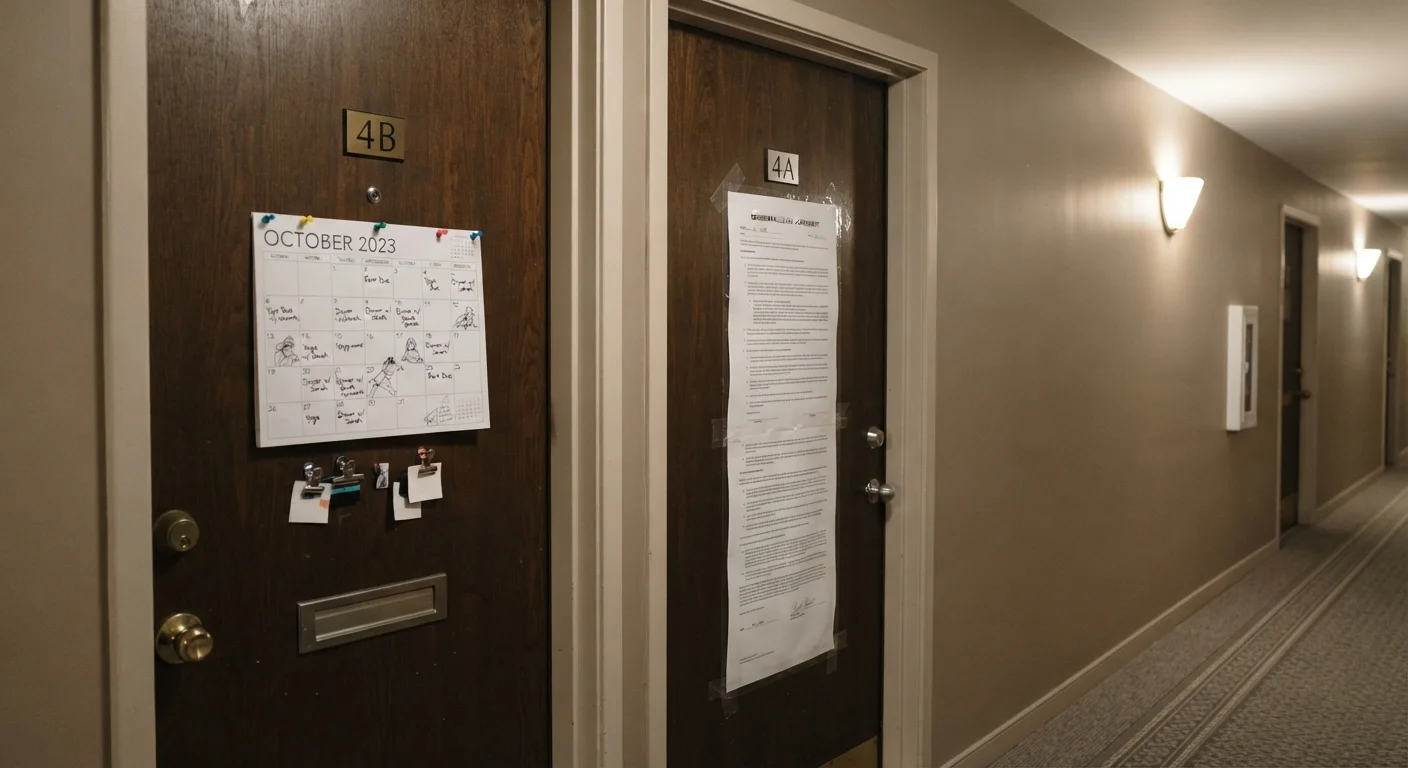
Option A
Month-to-Month Lease
The flexible, roll-with-it rental arrangement.
Best for: Renters who need short-term housing, anticipate a move, or want the freedom to leave with limited notice.
Option B
Fixed-Term Lease
The stable, locked-in commitment for predictable living.
Best for: Renters who want rent certainty, long-term security, and a stronger foothold in a competitive rental market.
How Each Lease Type Works
A month-to-month lease automatically renews each month unless either the landlord or tenant provides written notice to end it - typically 30 days in most US states, though some require more. There is no fixed end date. Once your agreed-upon notice period passes, the tenancy concludes with no further obligation.
A fixed-term lease, by contrast, commits both parties to a set period - most commonly 12 months, though 6- and 18-month terms also exist. The rent amount is contractually locked for that duration, and the lease ends (or must be renewed or converted) on a specific date. Neither party can unilaterally exit without consequences during the active term.
Both lease types carry the same fundamental tenant rights and landlord obligations under state and local law. Before signing either, it's worth reviewing the full contract carefully. Our guide on understanding a lease agreement before you sign walks through what each clause actually means in plain language.
| Criterion | Month-to-Month Lease | Fixed-Term Lease |
|---|---|---|
| Duration | Renews monthly, no fixed end | Set term, typically 6-18 months |
| Rent stability | Can change with notice | Locked for the lease term |
| Exit flexibility | 30-day notice typically required | Early exit penalties usually apply |
| Typical rent cost | Often higher than fixed-term | Generally lower per month |
| Landlord termination risk | Can end tenancy with notice | Cannot terminate mid-term without cause |
| Market competitiveness | Less attractive to landlords | Preferred by most landlords |
| Best life stage fit | Transitional, uncertain timelines | Stable, long-term planning |
The Real Trade-Offs: Flexibility vs. Stability
The core tension between these two structures comes down to who bears more risk. With a month-to-month arrangement, the landlord shoulders the uncertainty of potential vacancy; to compensate, they typically charge a rent premium - sometimes 10-20% above equivalent fixed-term rates, though this varies widely by market.
For renters, month-to-month flexibility has a mirror-image downside: landlords can end the tenancy with proper notice, meaning your housing security rests on a 30-day horizon. In competitive rental markets, this can be a meaningful source of stress.
Fixed-term leases shift the risk the other way. The landlord secures guaranteed occupancy; the tenant secures a stable rate and can't be asked to leave (absent lease violations or legally defined exceptions) until the term ends. The trade-off is reduced flexibility - early termination clauses in fixed-term leases can mean forfeiting your security deposit or paying rent through a replacement tenant is found.
~30 days
Typical notice period to end month-to-month tenancy
Most US states require at least 30 days written notice to terminate a month-to-month lease, though several states require 60 days for longer-tenured renters.
12 months
Most common fixed-term lease length in the US
Annual leases are the standard in the US residential rental market, according to general industry practice and rental housing data.
10-20%
Estimated rent premium for month-to-month flexibility
Landlords frequently charge above the standard fixed-term rate for month-to-month arrangements to offset occupancy uncertainty, though the exact premium varies by market.
Which Lease Structure Fits Your Situation?
The right answer depends heavily on your current life stage. Renters in transitional periods - recent graduates, people navigating a job change, those moving to a new city - often benefit from the exit flexibility of month-to-month, even at a higher per-month cost. The premium can be worth it to avoid a costly lease-break penalty.
Renters with stable employment, established routines, and no likely move in the next year are generally better served by a fixed-term lease. In markets where rents are rising, locking in today's rate for 12 months can represent meaningful savings over time - something worth considering alongside broader housing decisions like the trade-offs between fixed and adjustable mortgage rates that future homebuyers face.
Also consider that some landlords don't offer month-to-month terms at all, while others use them only as a bridge between fixed-term renewals. Always ask about available options before assuming a particular structure is on the table. And be alert to common rental misconceptions - for instance, assuming that a landlord's verbal promise to hold rent steady substitutes for a written lease commitment.
State Law Governs Key Details
Notice periods, allowable rent increase timelines, and early-termination rules vary significantly by state and sometimes by city. For example, some states require 60 days' notice to raise rent on month-to-month tenants, while others allow as little as 30 days. Always verify your state's specific landlord-tenant statutes - your state attorney general's office or a local tenant rights organization is a reliable starting point.
The content on this site is for informational purposes only and is not a substitute for professional advice. Always consult a qualified professional for guidance specific to your situation.