

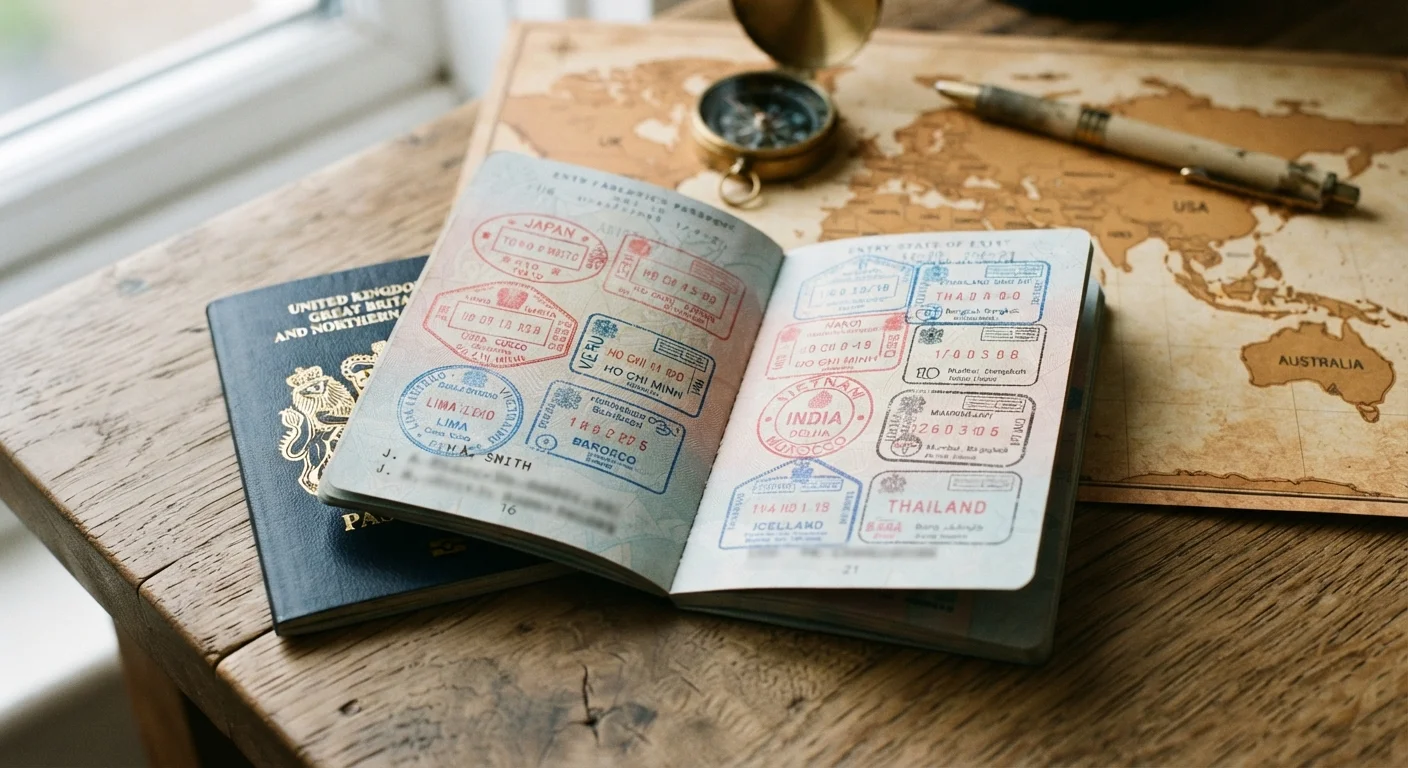
Why Visas Exist - and What They Actually Do
Every country controls who crosses its borders. A visa is the mechanism most governments use to pre-screen and authorize foreign visitors before they arrive. When a country issues you a visa, it's formally agreeing to let you in - under specific conditions. When a country doesn't require one from Americans, it means the two nations have agreed, through treaties or reciprocal policies, that US passport holders can enter freely up to a certain limit.
Visas come in several forms:
- Sticker or stamp visas - physically placed in your passport by a consulate before travel, or by a border officer on arrival.
- Visa on arrival (VOA) - obtained at the port of entry itself; you don't apply in advance, but the country still controls the process.
- Electronic visas (e-Visas) - applied for and approved online, then linked digitally to your passport; common for countries like India, Sri Lanka, and Turkey.
- Electronic Travel Authorizations (ETAs) - a lighter pre-clearance system used by Canada, Australia, and others; not a traditional visa, but still required before boarding.
The key point: even when a visa is free or easy to get, skipping a required step can result in a denied boarding or deportation. See our guide to international travel documents and entry requirements for a fuller look at what paperwork you'll need end to end.
Visa Rules Can Change - Verify Before You Book
Visa agreements between countries are subject to change based on diplomatic relations, public health events, and policy decisions. A destination that was visa-free when a friend visited two years ago may have different rules today. Always check the US Department of State (travel.state.gov) and the destination country's official embassy website close to your booking date and again before you depart. Do not rely solely on travel blogs, social media posts, or third-party booking sites for entry requirement information.
When Americans Don't Need a Visa
The good news: the US passport is one of the world's most powerful travel documents, offering visa-free or visa-on-arrival access to a large number of countries. Popular destinations including Mexico, the United Kingdom, most of the European Schengen Area, Japan, Costa Rica, and dozens of others welcome American tourists without requiring a pre-arranged visa for short stays - typically defined as 30 to 90 days.
These arrangements exist because of bilateral agreements, tourism policy goals, and diplomatic relationships. They are not permanent guarantees - countries adjust policies over time, and a destination that's visa-free today may introduce requirements in the future (and vice versa).
186
Countries accessible to US passport holders visa-free or with visa on arrival
According to the Henley Passport Index, the US passport consistently ranks among the world's most powerful for global mobility.
90 days
Maximum visa-free stay in Schengen Area for US citizens
The Schengen Agreement allows Americans to travel across 27 European member countries for up to 90 days in any 180-day period without a pre-arranged visa.
Weeks to months
Typical processing time for complex visas
Student, work, and some tourist visas for countries like China or Russia can require substantial lead time; US State Department guidance recommends applying as early as possible.
Even in visa-free countries, your stay is still conditional. Border officers can deny entry if they have reason to believe you're violating the terms - for example, arriving without sufficient funds, a return ticket, or a credible itinerary. Understanding visa-free access as permission within limits, not unconditional entry, sets the right expectations.
When You Do Need a Visa - and How to Get One
Some destinations require Americans to obtain a visa regardless of how long they plan to stay. China, Russia, India, Brazil, and several countries in Africa and the Middle East are notable examples (though requirements do change - always verify). Visas are also typically required when your purpose of travel goes beyond tourism: studying, working, or staying long-term almost always triggers a visa requirement even in countries that are otherwise visa-free.
To apply for a visa, you'll generally need:
- A valid US passport with enough remaining validity (many countries require at least six months beyond your intended departure date).
- A completed application form - usually submitted online or at the destination country's embassy or consulate.
- A recent passport-style photo meeting the country's specifications.
- Supporting documents: itinerary, hotel bookings, proof of funds, travel insurance, and sometimes an invitation letter.
- The applicable fee, which ranges from nominal to several hundred dollars depending on visa type and destination.
Apply Earlier Than You Think You Need To
Most visa delays and denials are caused by incomplete applications or last-minute submissions. Build at least four to six weeks of buffer into your timeline for standard tourist visas, and significantly more for student or work visas. If your trip falls during a holiday period, consulates may be closed or backlogged - factor that in early.
Processing times can range from a few days to several months. Applying well in advance - and tracking your application - is essential. Our first international trip planning guide covers the full pre-departure checklist, including how visas fit into your overall timeline.
Always verify requirements through the US Department of State's travel website (travel.state.gov) and the destination country's official embassy website. Requirements can shift due to political changes, reciprocal policy adjustments, or public health situations - information from travel blogs or third-party sites may be outdated.
If you're still working on getting your passport sorted before worrying about visas, our US passport basics guide explains processing timelines and when to start.
Frequently Asked Questions
Most European countries in the Schengen Area allow Americans to visit without a pre-arranged visa for up to 90 days within any 180-day period. However, the EU's ETIAS (European Travel Information and Authorisation System) is expected to require a pre-travel electronic authorization from US visitors once launched. Always check the current status with official EU or embassy sources before travel.
Your passport is your identity and citizenship document, issued by the US government. A visa is permission from a foreign country to enter. You always need a valid passport for international travel; whether you also need a visa depends on your destination and purpose of travel.
Processing times vary widely - from a few business days for some electronic visas to several weeks or months for complex applications like student or work visas. Apply as early as possible and check official embassy or consulate timelines for your specific destination.
Airlines are typically required to check visa requirements before boarding, so you may be denied boarding at your departure airport. If you somehow arrive without a required visa, you risk detention and deportation at your own expense, and it can affect future entry applications.
Not exactly. An Electronic Travel Authorization (ETA) is a digital pre-clearance linked to your passport, required by countries like Canada and Australia even for visitors who don't need a traditional visa. It is a separate mandatory step you must complete before boarding your flight.
The US Department of State's travel website (travel.state.gov) provides country-specific entry requirement information. Always cross-reference with the destination country's official embassy or consulate website, as requirements can change without notice.
The content on this site is for informational purposes only and is not a substitute for professional advice. Always consult a qualified professional for guidance specific to your situation.