

Summary
22 items · 45-90 minutes of preparation time before departure
Why Desert Roads Demand a Different Kind of Preparation
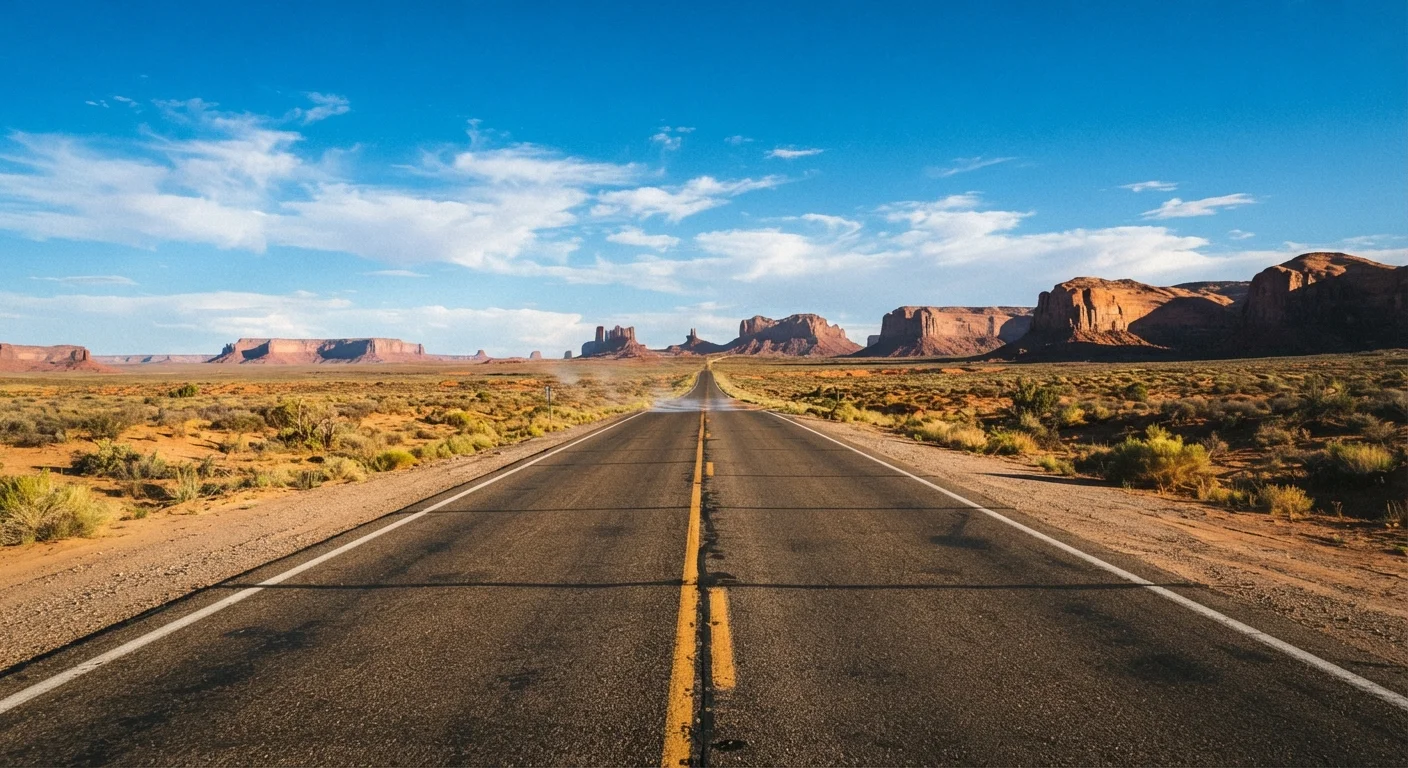
Driving through the Mojave, the Great Basin, or across the Colorado Plateau is one of the great American road trip experiences. But those iconic, wide-open stretches between Las Vegas and Death Valley, or across central Utah and eastern Oregon, are not ordinary commutes. Services - gas, water, phone signal, medical care - can be scarce for dozens of miles at a time.
The environment is genuinely extreme: summer temperatures regularly exceed 110°F (43°C) on the pavement, and engine stress, tyre failures, and human dehydration can escalate quickly when you're far from help. The geology that makes the Southwest so visually stunning also means limited shade, minimal water sources, and terrain that offers no shelter from the sun.
This checklist is designed to help you prepare systematically - not to discourage you from going, but to make sure you arrive. Work through it the day before departure, and use the pre-trip vehicle walk-around checklist as a final confirmation the morning you leave.
Vehicle Preparation
Water and Supplies
Navigation and Communication
Fuel and Logistics
On the Road: What to Monitor and Never Skip
Even a perfectly prepared vehicle can run into trouble on a desert highway. Your job once you're moving is to stay observant, stay hydrated, and stay honest about conditions.
Flash Floods Are a Year-Round Desert Risk
Desert terrain channels rainfall from distant mountains into dry washes with little warning. A sunny sky where you're driving doesn't mean it's dry upstream. Never park or camp in a wash or canyon bottom, and check weather forecasts for the broader region - not just your immediate location. If water begins rising on a road, turn around immediately; do not attempt to drive through moving water.
Driving in the early morning or late afternoon avoids peak heat hours and dramatically reduces the risk of overheating - both for you and your vehicle. If your temperature gauge climbs into the red, pull over immediately, turn off the engine, and do not open the radiator cap while hot. If you break down, stay with your vehicle. It's far easier for emergency responders to spot a vehicle than a person walking in the desert.
Before any long desert drive, make sure someone back home knows your planned route, intended stops, and expected arrival time. If you haven't checked in by a set time, they should know to contact authorities. This simple step has saved lives. Pair it with the broader preparation habits outlined in this pre-departure trip checklist for full coverage.
Offline Map App (e.g. Maps.me or Google Maps offline)
Provides turn-by-turn navigation in areas with no cellular service.
Satellite Communicator / Personal Locator Beacon
Allows you to send an emergency SOS or check-in message when completely off the cellular grid.
Portable Tyre Inflator
Lets you reinflate a tyre after a slow leak or after fitting the spare, without waiting for roadside assistance.
Insulated Water Containers
Keeps drinking water cool and palatable during long stretches in extreme heat.
National Weather Service App or Radio
Provides official weather alerts and flash flood warnings for your specific desert corridor.
The content on this site is for informational purposes only and is not a substitute for professional advice. Always consult a qualified professional for guidance specific to your situation.