

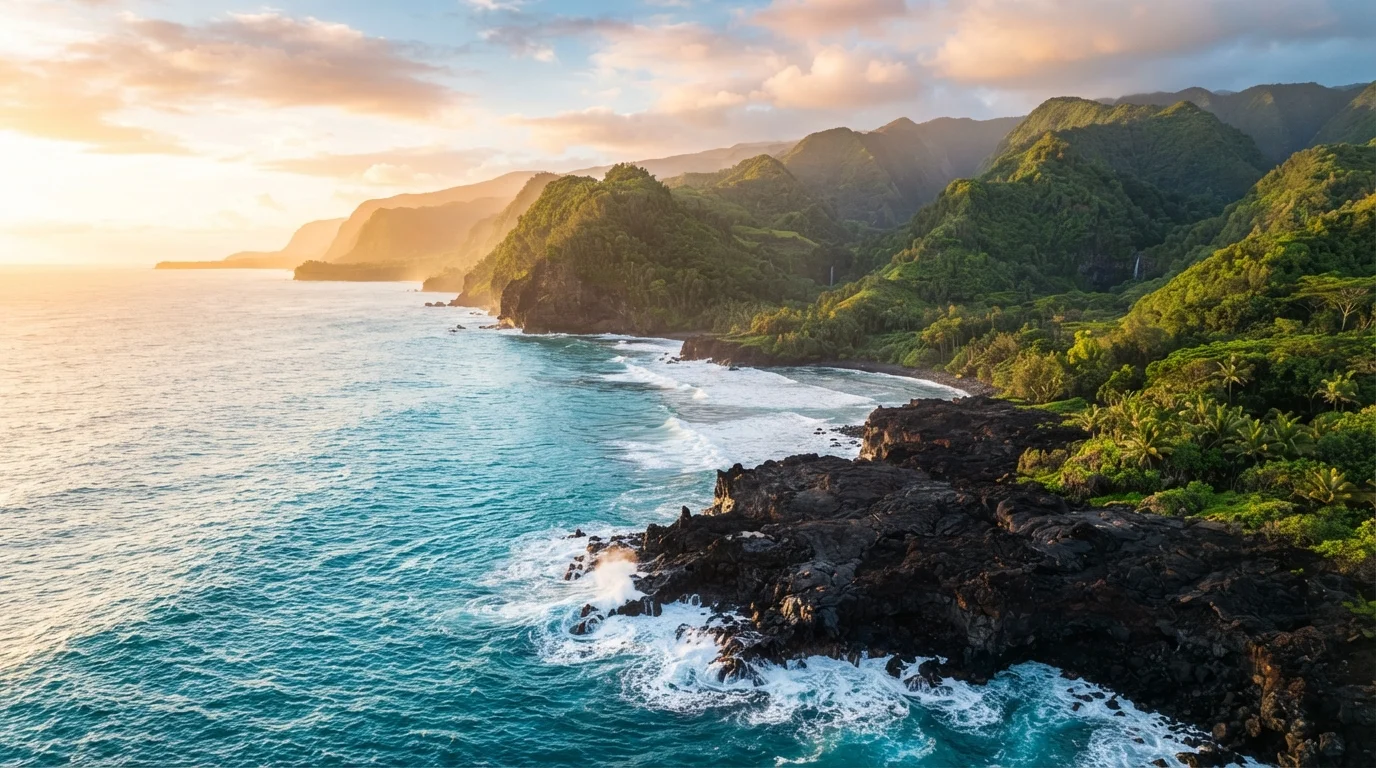
Hawaii Is More Than One Place
Many first-time visitors talk about going to "Hawaii" as if it were a single destination with a uniform experience. In reality, the Hawaiian archipelago includes six major islands - Oahu, Maui, the Big Island (Hawaii Island), Kauai, Molokai, and Lanai - each with its own terrain, vibe, and attractions. Oahu holds Honolulu and the historic Pearl Harbor memorials. Kauai is famous for its dramatic Na Pali Coast cliffs. The Big Island straddles active volcanoes and snow-capped Mauna Kea. Choosing the wrong island for your travel goals can lead to real disappointment.
This kind of expectation mismatch is common across major US destinations - similar to how visitors sometimes struggle with unrealistic expectations at national parks. Understanding how destination reality differs from imagination can make the difference between a frustrating trip and an unforgettable one.
Myth
Hawaii is always warm and sunny everywhere on the islands.
Fact
Hawaii's weather varies dramatically depending on location, elevation, and which side of the island you're on.
Trade winds create a windward (wet) side and a leeward (dry) side on every major Hawaiian island. Hilo on the Big Island averages over 130 inches of rain per year, while Kona - just 60 miles away - sits in a dry zone. Mountaintops like Mauna Kea can see snow. Packing for only beach weather will leave hikers and explorers underprepared.
Myth
All Hawaiian beaches have white sand and calm, swimmable water.
Fact
Hawaii has beaches of black, red, and green volcanic sand, and many shorelines have dangerously powerful surf or sharp lava entries.
Papakolea on the Big Island features rare olivine green sand. Punaluu is famous for its jet-black volcanic sand. Meanwhile, north-shore beaches on several islands produce enormous winter swells that are deadly for casual swimmers. Always check posted beach flags and lifeguard advisories before entering the water - these vary by season and location.
Myth
Hawaiian culture is mostly about hula shows and luau performances at resorts.
Fact
Hawaiian culture is a living, complex tradition encompassing language, land stewardship, navigation, and spirituality that extends far beyond tourist entertainment.
The Hawaiian language (ʻŌlelo Hawaiʻi) has experienced a meaningful revitalization through immersive schools and community programs. Concepts like mālama ʻāina (caring for the land) are practiced values, not marketing slogans. Visitors who seek out community-run cultural centers, attend traditional festivals, or simply learn a few respectful phrases tend to have much deeper and more meaningful experiences.
Myth
Hawaii is a US state, so visiting is just like any other domestic trip - no special preparation needed.
Fact
While no passport is required for US citizens, Hawaii has strict biosecurity laws, unique ecological risks, and a cost of living far above the mainland average.
Hawaii enforces some of the toughest agricultural inspection rules in the country to protect its ecosystems from invasive species. Bringing certain fruits, plants, or animals - even unknowingly - can result in fines. Additionally, everyday costs for food, transportation, and accommodation are substantially higher than most mainland destinations. Budgeting accordingly before you arrive prevents unpleasant surprises mid-trip.
Myth
You can easily visit multiple islands in a short trip without rushing.
Fact
Island-hopping requires planning, interisland flights, and significant additional cost and time - it's rarely seamless on a short vacation.
Interisland flights are the primary way to move between islands (there is no ferry service connecting most major islands). Each flight adds check-in time, baggage fees, and travel fatigue. Many travel experts suggest dedicating at least three to four days to a single island to experience it meaningfully rather than skimming three islands in a week.
Culture, Weather, and What the Islands Are Really Like
Beyond geography, visitors often arrive with deeply skewed ideas about Hawaiian culture and climate. These misconceptions don't just lead to awkward moments - they can cause real harm to fragile ecosystems and living cultural traditions.
10M+
Annual visitors to Hawaii
According to the Hawaii Tourism Authority, the islands host tens of millions of visitor days annually, putting significant pressure on natural and cultural sites.
~40%
Of Hawaii's land is protected
A substantial portion of Hawaiian land falls under state, federal, or conservation protection, limiting access to some areas and requiring permits for others.
Before you pack your bags, it's also worth revisiting what you think you know about travel preparation. Common packing myths can leave you hauling unnecessary gear through humid jungle trails and volcano summits. And if Hawaii is part of a broader international itinerary, several widely repeated travel beliefs about passports and airports are worth fact-checking before you go.
Respect Sacred and Protected Sites
Some natural sites in Hawaii hold deep spiritual significance to Native Hawaiians and are not simply scenic backdrops for photographs. Removing rocks, coral, or sand from beaches or parks is illegal under state and federal law. Always check whether a trail, summit, or shoreline area requires a permit before you visit - enforcement is real, and fines apply.
The content on this site is for informational purposes only and is not a substitute for professional advice. Always consult a qualified professional for guidance specific to your situation.