

Our Verdict
Visiting a national park in peak season is a genuinely spectacular experience, but it demands more preparation than most first-timers anticipate. The rewards - lush landscapes, wildlife activity, and long hiking days - are real, but so are the crowds, permit headaches, and elevated costs. Going in with accurate expectations and a solid logistics plan makes the difference between a frustrating trip and an unforgettable one.
Peak-season park visits are best suited to travellers who plan months ahead, embrace early-morning starts, and prioritise iconic scenery over solitude.
The Reality of Peak Season at America's Most Visited Parks
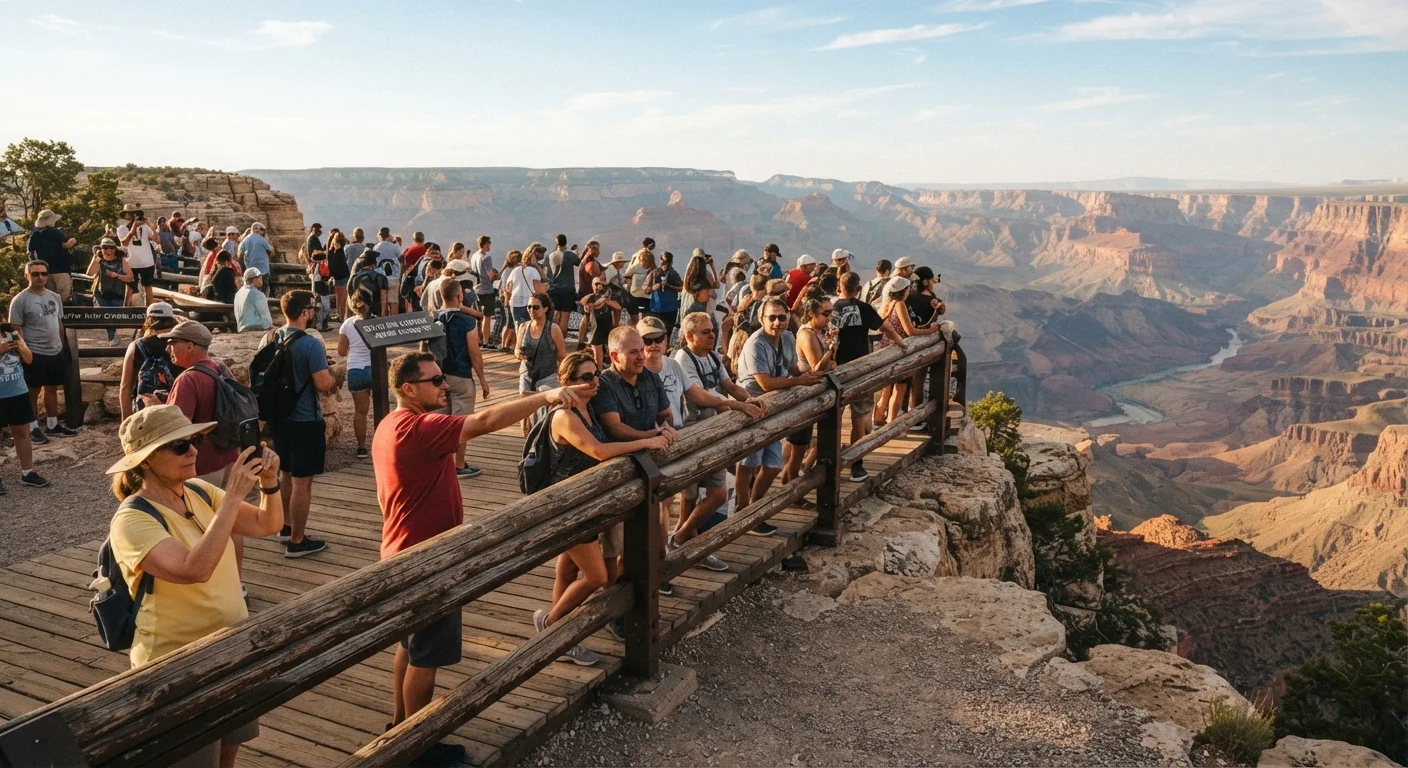
Every summer, roughly 50 million people visit America's national parks during the June-through-August window - and a disproportionate share of them head for the same dozen or so marquee destinations. Yosemite Valley, Zion Canyon, the South Rim of the Grand Canyon, and Arches regularly hit capacity on summer weekends. That's not a reason to avoid them, but it is a reason to arrive informed.
The National Park Service has responded to surging visitation with timed-entry reservation systems at several parks, including Arches, Glacier, and Rocky Mountain. Permits sell out weeks or months in advance, and showing up without one can mean being turned away at the gate. Before you book flights, check the specific park's reservation requirements on the official NPS website - rules vary by park and can change season to season.
Permit and Reservation Rules Vary by Park
Not every national park uses a timed-entry system, and the rules at parks that do can change from year to year. Always check the official NPS website for the specific park you plan to visit before finalising travel dates. Some parks require permits only for certain trailheads or entry corridors, not for the entire park. Verifying requirements directly with official sources is essential, as third-party summaries may be outdated.
For a thorough primer on how park entry systems, fees, and planning logistics work, see our First-Timer's Field Guide to America's National Parks before locking in your itinerary.
The Real Advantages of Going During Peak Season
Full trail access at high-elevation routes
Snow clears from alpine trails by midsummer, opening up routes that are impassable in spring. Parks like Rocky Mountain and North Cascades become fully navigable only during this window.
Peak wildlife activity and wildflower displays
Summer brings elevated wildlife movement, active bird populations, and wildflower blooms across meadows and subalpine zones. It's the most visually dynamic time at most western parks.
Long daylight hours extend your hiking day
14-plus hours of daylight in July lets visitors complete a major hike and still enjoy evening programs or sunset views without rushing.
Full ranger program schedule for families
Junior Ranger programs, guided walks, and interpretive campfire talks run at maximum frequency in summer, making it the most enriching season for children and first-timers.
The crowds don't cancel out the genuine perks of peak season. Summer is when most high-elevation trails are snow-free and fully accessible - critical at parks like Rocky Mountain or North Cascades where alpine routes may be impassable as late as June. Wildlife is highly active: bear sightings increase in Glacier, elk rut begins building in Yellowstone, and wildflower meadows peak across the Sierra Nevada. For responsible wildlife viewing in America's wild spaces, summer offers more daytime observation hours than any other season.
Long daylight hours also stretch your itinerary considerably. In July, many western parks enjoy 14-plus hours of usable light, letting you hike a strenuous trail in the morning and still catch golden-hour photography at a canyon rim. Junior Ranger programs, ranger-led talks, and interpretive walks run at full schedule - a real asset for families with kids.
The Honest Drawbacks You Should Plan Around
Timed-entry permits sell out weeks in advance
Parks like Arches and Glacier require advance reservations that disappear quickly after release. Travellers who skip this step risk being turned away at the entrance.
Trailhead parking fills before 8 a.m.
At high-traffic parks, arriving mid-morning on a weekend often means no parking at the trailhead. Shuttle dependence or long waits become part of the day's plan.
Campgrounds book out months ahead
Reservable campsites at Yosemite, Grand Canyon, and similar parks open on rolling windows and can disappear within minutes. Walk-up availability is extremely limited in peak weeks.
Lodging and gateway-town prices spike sharply
Hotels and vacation rentals near major parks command premium rates during summer. Budget travellers may need to stay 30-plus miles away, adding commute time daily.
Heat and afternoon thunderstorms create hazards
Many parks experience dangerous afternoon thunderstorms and extreme heat in summer. Desert parks like Bryce Canyon and Grand Canyon can see temperatures exceeding 100°F on canyon floors.
Parking lots at iconic trailheads fill before 8 a.m. on summer weekends - not a figure of speech. Arriving at 10 a.m. at a place like Angels Landing in Zion or the Valley floor in Yosemite often means a shuttle-dependent backup plan at best, a long roadside wait at worst. Shuttle systems help, but they add time and unpredictability to every outing.
Campground competition is fierce. Reservable sites at parks like Yosemite open on rolling windows months in advance and disappear in minutes. Walk-up sites are scarce. Budget-minded travellers may need to stay in gateway towns and commute in - adding drive time and expense. For a realistic look at what that does to your overall spend, our realistic travel budget guide walks through the full cost picture most visitors underestimate.
325M+
Annual NPS recreational visits
The National Park Service reported over 325 million recreational visits across all units in recent years, with summer accounting for the largest share.
~50%
Visits concentrated in summer months
Roughly half of annual visitation at the most popular parks occurs between Memorial Day and Labor Day, according to NPS visitor use statistics.
Practical Strategies That Actually Help
The single most effective tactic is shifting your schedule by two to three hours. Hitting a trailhead at sunrise - 5:30 to 6:30 a.m. in midsummer - puts you ahead of 90% of day visitors, gives you cooler temperatures for the hike out, and leaves your afternoon free for drives or shaded picnic areas. Many seasoned park-goers consider this non-negotiable.
Choosing secondary trails over famous ones also pays off. Most visitors cluster on a handful of marquee routes; trails a mile or two away from the signature viewpoint often offer comparable scenery with a fraction of the foot traffic. Rangers at visitor centres are an underused resource - they know which areas are congested in real time and can suggest alternatives on the spot.
Finally, think carefully about timing your trip relative to school calendars. The week after Labor Day sees a sharp drop in visitors at most parks while conditions remain excellent - a genuine sweet spot. If your schedule is fixed to July or August, go with eyes open and consider the trade-offs between early and last-minute booking before making reservations.
If the crowds at flagship parks genuinely don't appeal, it's worth knowing that urban national parks most Americans overlook offer remarkable experiences with far lighter visitation year-round.
The content on this site is for informational purposes only and is not a substitute for professional advice. Always consult a qualified professional for guidance specific to your situation.