

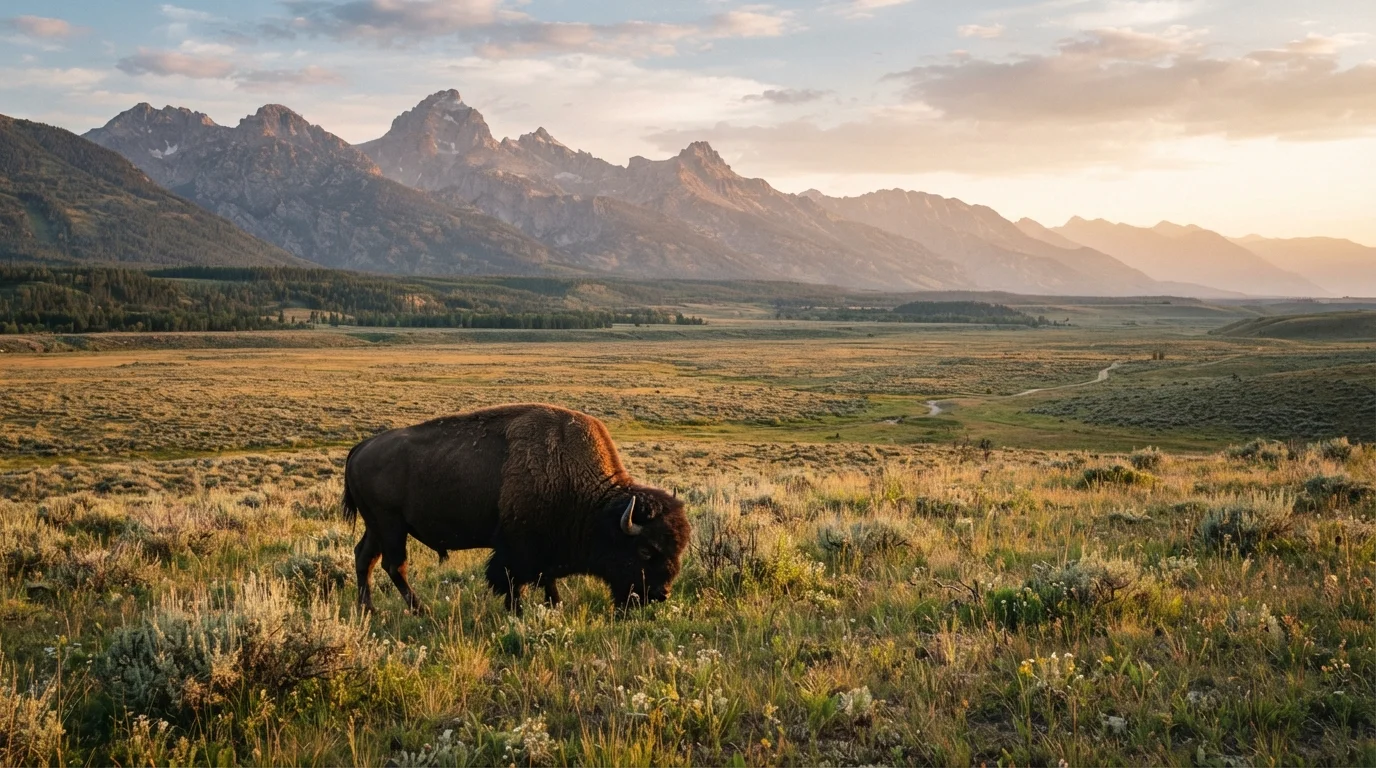
Why Ethical Wildlife Viewing Matters
Every year, millions of Americans visit places like Yellowstone, Great Smoky Mountains, and Olympic National Park hoping for an up-close encounter with wildlife. These moments can be transformative - but they come with real responsibility. When visitors get too close or behave carelessly, the consequences ripple outward: animals become habituated to humans, lose their fear of people, and often have to be relocated or euthanized. Visitors, meanwhile, face genuine injury risk.
Ethical wildlife viewing isn't just a rule - it's what keeps wild spaces wild. Whether you're a first-timer or a seasoned park-goer, understanding and following best practices protects the animals, the ecosystem, and your own safety. If you're new to the national park system, the America's National Parks: A First-Timer's Field Guide is a great starting point before you head out.
“Wildlife watching done right means the animal never changes its behavior because of you. That's the standard worth holding yourself to.”
— National Park Service Wildlife Management Division, Federal agency responsible for wildlife protection in US national parks
The Core Rules Every Visitor Should Know
The National Park Service sets minimum safe distances, and they exist for good reason. Staying informed and respectful on the trail protects both wildlife and fellow visitors.
Always maintain the required minimum distance from all wildlife
The NPS mandates at least 100 yards from bears and wolves, and 25 yards from all other animals. These aren't suggestions - violations can result in fines and, more importantly, in animals being removed from the wild after repeated human contact.
Never feed wildlife, directly or indirectly
Feeding animals disrupts their natural foraging behavior, attracts them into high-traffic areas, and creates dangerous dependency on human food. It is illegal throughout the national park system and causes lasting harm.
Use optics instead of your feet to get closer
Binoculars and telephoto camera lenses let you observe animal behavior in incredible detail without triggering a stress response. Approaching animals - even slowly - forces them to expend energy fleeing that they need for survival.
Stay on designated trails and respect closure signs
Trail closures often indicate nesting, denning, or sensitive feeding areas. Off-trail movement can disturb ground-nesting birds and other animals that camouflage their presence entirely.
Move quietly and minimize sudden movements
Loud voices and sudden gestures startle wildlife into flight or, in some species, into defensive aggression. A calm, quiet approach rewards visitors with longer, more natural animal behavior to observe.
Planning Your Wildlife Viewing Trip
The best wildlife encounters are rarely accidents - they're the result of thoughtful planning. Dawn and dusk are peak activity periods for most mammals, so arriving early or staying late dramatically increases your chances of meaningful sightings. Research which species are present at your destination and where they're typically spotted, since rangers and visitor centers are invaluable resources.
25 yards
Minimum safe distance from most park wildlife
The National Park Service requires visitors to stay at least 25 yards from most animals and 100 yards from bears and wolves in all national parks.
327M+
Annual national park visits in recent years
According to NPS annual visitation data, America's national parks collectively host hundreds of millions of visits each year, placing significant pressure on wildlife habitats.
Timing your trip outside the most crowded windows also helps. Wildlife tends to retreat when large groups of noisy visitors converge on popular overlooks. For a realistic picture of what to expect on the ground, see our guide on visiting a US national park in peak season. If Yellowstone is on your itinerary, it's especially worth reading about common Yellowstone mistakes and how to avoid them before you go.
Talk to a Ranger Before You Hit the Trail
Visitor center rangers receive daily wildlife sighting reports and know which areas have had recent activity. A five-minute conversation can point you toward the most productive viewing spots and alert you to any active closures. This is one of the most underused resources in any national park.
Quick Actions You Can Take Right Now
Good wildlife viewing habits begin before you ever leave the trailhead. These immediate steps make a meaningful difference on your next park visit.
Wildlife viewing is one of the most rewarding experiences America's wild spaces offer - and one of the most fragile. Whether you're watching black bears in the Smokies or spotting condors at the Grand Canyon, the guiding principle stays the same: observe, don't interfere. You might also be surprised to find remarkable wildlife experiences much closer to home - urban national parks host their own ecosystems worth exploring responsibly.
The content on this site is for informational purposes only and is not a substitute for professional advice. Always consult a qualified professional for guidance specific to your situation.