

Our Verdict
Eliminating a food group can be genuinely appropriate when driven by a medical diagnosis, ethical commitment, or a well-researched personal health goal - provided the nutritional gaps are actively addressed. However, doing so casually or based on trending claims carries real risks that are often underestimated. The decision is rarely black-and-white, and the nutritional stakes vary considerably depending on which group is removed.
Best suited for individuals who have a clear medical, ethical, or evidence-based reason to eliminate a food group and who are working with a healthcare provider or registered dietitian to ensure nutritional adequacy.
What It Actually Means to Eliminate a Food Group
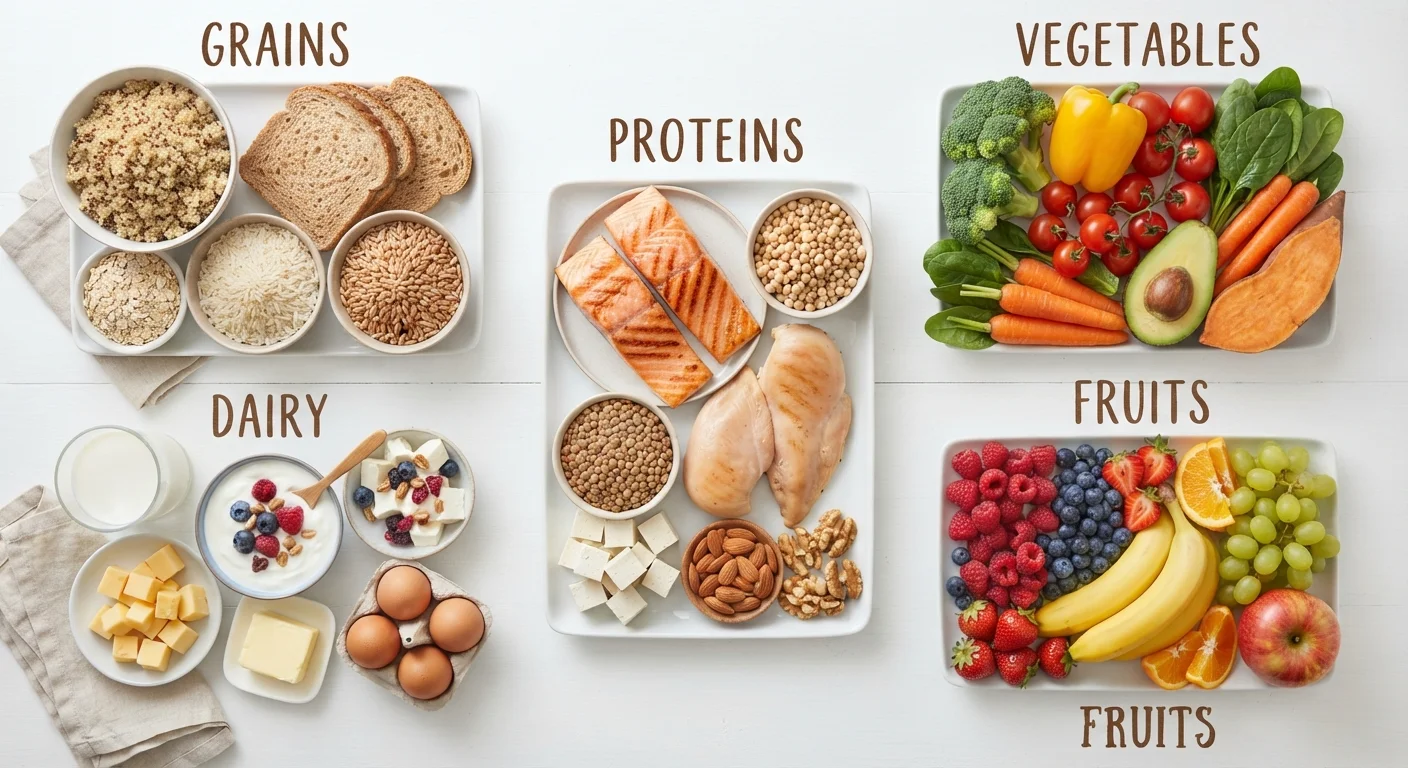
Food groups - grains, dairy, proteins, fruits, vegetables, and legumes - are broad categories defined by shared nutritional profiles. When someone eliminates an entire group, they remove not just one food but a cluster of nutrients that often travel together. For example, cutting dairy eliminates a primary dietary source of calcium and vitamin D for many Americans. Removing all grains strips out significant B vitamins, iron, and dietary fiber.
It's worth distinguishing between medically indicated elimination - such as avoiding gluten for celiac disease or removing shellfish for a diagnosed allergy - and voluntary elimination based on dietary trends or personal preference. The former is well-supported by clinical evidence; the latter requires more careful nutritional planning. For a broader look at how plant-based and omnivorous approaches compare nutritionally, see Plant-Based Eating vs. Omnivorous Diets.
Potential Upsides Worth Considering
Can eliminate a true allergen or intolerance trigger
For people with celiac disease, a milk protein allergy, or other diagnosed intolerances, removing the offending food group is clinically appropriate and can substantially improve quality of life.
May reduce intake of heavily processed foods
Cutting refined grains or certain dairy products often results in less consumption of ultra-processed foods, which research has linked to higher risks of cardiovascular disease and metabolic conditions.
Can encourage more mindful eating habits
Imposing a dietary rule - even a broad one - frequently prompts people to read labels, cook more at home, and pay closer attention to ingredients, which are independently beneficial behaviors.
May align with ethical or environmental values
Removing animal-based food groups, for example, can reflect a deliberate ethical stance on animal welfare or a genuine effort to lower one's environmental footprint, both of which are legitimate personal motivations.
These advantages are real, but they're also context-dependent. Reducing ultra-processed carbohydrates is not the same as removing all grains - a distinction that gets blurred when people adopt categorical elimination rules. Similarly, many people who cut dairy report feeling better, but research suggests individual gut responses to lactose vary considerably, meaning the benefit isn't universal.
Significant Downsides to Keep in Mind
Removes key nutrients that are hard to replace
Many food groups are concentrated sources of specific micronutrients - dairy for calcium and vitamin D, meat for B12 and heme iron, legumes for folate. Without deliberate substitution, deficiencies can develop gradually and go unnoticed.
Increases reliance on processed replacement products
Commercially marketed 'free-from' foods often compensate for missing flavor or texture with added sugar, sodium, or fat. Added sugars in particular can quietly accumulate in grain-free or dairy-free packaged alternatives.
Risk of nutritional gaps for children and special populations
Applying elimination diets to growing children, pregnant individuals, or older adults carries heightened risk. These groups have elevated nutritional needs, and deficiencies during critical periods can have lasting consequences. Always consult a healthcare provider before restricting diet in these populations.
May be based on misunderstood science
Popular elimination diets - 'no carbs,' 'no dairy' - are often driven by generalized claims that don't reflect the nuance of nutrition research. What benefits one person's biochemistry may be unnecessary or even counterproductive for another.
Can make social eating significantly more difficult
Strict food group elimination often complicates dining out, travel, family meals, and social gatherings - factors that affect both adherence to the diet and overall wellbeing.
One particularly underappreciated risk is the social and behavioral dimension. Highly restrictive diets can contribute to anxiety around food in certain individuals and may - in susceptible people - reinforce disordered eating patterns. This is not a reason to avoid all dietary changes, but it is a reason to approach elimination mindfully and with professional support where needed.
Medical Elimination vs. Trend-Driven Elimination
A physician-recommended elimination diet - for conditions like celiac disease, eosinophilic esophagitis, or IgE-mediated food allergy - is evidence-based and closely monitored. Trend-driven elimination, by contrast, is typically self-directed and lacks the same diagnostic foundation. Both can be valid choices, but they carry different levels of clinical risk and require different levels of nutritional oversight.
Understanding how food labels can obscure nutritional value is also useful context here. See why "healthy" snacks sometimes aren't to learn how marketing language can mislead even well-intentioned eaters.
How to Minimize the Trade-Offs
If you're considering eliminating a food group - or have already done so - there are practical steps that can help protect your nutritional status. The goal is to replace what's lost, not simply subtract it.
- Identify the nutrients at risk. Each food group provides specific micronutrients. Knowing which ones you're cutting helps you find alternative sources proactively.
- Prioritize whole-food substitutes. Replacing dairy with calcium-fortified plant milks, or grains with starchy vegetables and legumes, is more nutritionally sound than simply avoiding the category without substitution.
- Consider periodic lab work. Vitamin B12, vitamin D, iron, calcium, and zinc are commonly affected by elimination diets. Blood panels can catch deficiencies before symptoms develop.
- Budget thoughtfully. Specialty replacement foods can be expensive. Eating well on a budget is possible with planning, but it requires knowing which affordable whole foods fill nutritional gaps.
~3%
U.S. adults with a true food allergy
According to estimates from food allergy research organizations, a relatively small share of adults have a clinically confirmed food allergy, though many more self-report sensitivities or intolerances.
45%
Americans attempting to limit or avoid gluten
Survey data has consistently found that far more Americans avoid gluten voluntarily than have a celiac or gluten-sensitivity diagnosis, underscoring the gap between medical need and dietary trend.
This article is for general informational and educational purposes only and is not a substitute for personalized medical or dietary advice. Consult a qualified healthcare provider or registered dietitian before making significant changes to your diet.
The content on this site is for informational purposes only and is not a substitute for professional advice. Always consult a qualified professional for guidance specific to your situation.