

Our Verdict
Neither plant-based nor omnivorous eating is universally superior. Research consistently shows that diet quality - emphasizing whole foods, vegetables, and limiting ultra-processed items - matters more than whether meat is included. Both patterns carry specific nutritional considerations that reward thoughtful planning.
| Best for | Recommended |
|---|---|
| Those prioritizing environmental impact and cardiovascular risk reduction | Plant-based eating |
| Those seeking dietary flexibility with wider nutrient availability | Omnivorous diet |
| People with specific health conditions or nutrient absorption challenges | Consult a registered dietitian for personalized guidance |
What Each Eating Pattern Actually Means
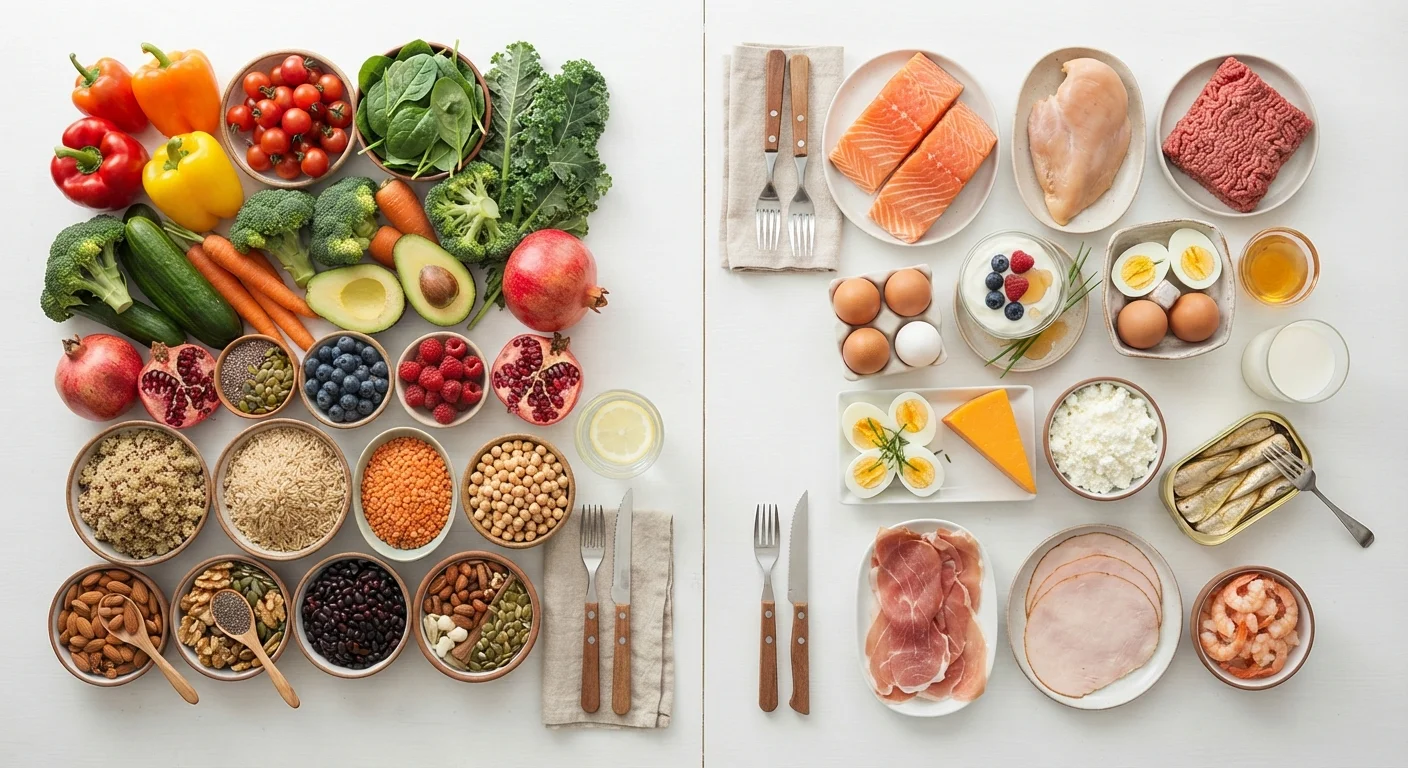
"Plant-based" covers a wide spectrum - from fully vegan diets (no animal products at all) to flexitarian patterns that emphasize plants while allowing occasional meat or fish. Omnivorous diets, by definition, include both plant and animal foods, though their composition varies enormously from person to person.
This range matters. A plant-based diet built around vegetables, legumes, whole grains, and nuts looks very different from one built around processed meat substitutes. Similarly, an omnivorous diet rich in fish, lean proteins, and produce is nutritionally distinct from one dominated by red meat and refined carbohydrates. Understanding these patterns as spectrums - not fixed categories - is the starting point for any meaningful comparison. For a practical foundation, see building a balanced plate regardless of which pattern you follow.
Where Plant-Based Diets Have the Edge
Large observational studies have consistently linked higher plant food intake with lower rates of heart disease, type 2 diabetes, and certain cancers. Plant-based diets tend to be higher in fiber, antioxidants, and phytonutrients - compounds found only in plant foods that support cellular health and reduce inflammation.
Fiber intake is a notable strength. Most Americans fall well short of recommended fiber levels, and plant-heavy eating patterns naturally close that gap. Higher fiber consumption is associated with improved gut microbiome diversity and more stable blood glucose levels.
95%
Americans not meeting fiber recommendations
According to estimates cited by the American Society for Nutrition, approximately 95% of Americans fall short of the daily recommended fiber intake.
~3x
Higher fiber intake on plant-based vs. typical US diet
Research published in nutritional epidemiology literature suggests plant-based diets commonly deliver roughly three times the fiber of average American omnivorous eating patterns.
Environmental sustainability is another frequently cited advantage. Plant-based diets generally carry a lower carbon footprint and require less land and water per calorie produced, though this varies by specific food choices and sourcing.
Nutritional Gaps to Watch on a Plant-Based Diet
Removing animal products eliminates some of the most bioavailable sources of several critical nutrients. Vitamin B12 is produced almost exclusively by microorganisms and is found reliably only in animal foods - making supplementation or fortified food consumption essential for people eating fully plant-based. Deficiency can cause irreversible neurological damage if left unaddressed.
Iron and zinc from plant sources (non-heme iron) are absorbed less efficiently than their animal-based counterparts. Calcium and vitamin D can also require deliberate attention, particularly for those avoiding dairy. Omega-3 fatty acids, specifically EPA and DHA found in fatty fish, are not present in most plant foods - though algae-based omega-3 supplements offer a direct vegan source.
Vitamin B12 Deficiency Is a Serious Risk
Fully plant-based eaters who do not supplement or consume fortified foods are at meaningful risk of vitamin B12 deficiency over time. Early symptoms can be subtle, and neurological effects may become irreversible if the deficiency progresses undetected. Anyone eating vegan or near-vegan should speak with a healthcare provider about testing and supplementation options.
For a broader look at what eliminating entire food categories can mean nutritionally, see the upsides and downsides of cutting out an entire food group.
What Omnivorous Diets Offer - and Where They Fall Short
Including animal products provides ready access to complete proteins (containing all essential amino acids), heme iron, vitamin B12, calcium from dairy, and long-chain omega-3 fatty acids from fish. These nutrients arrive in highly bioavailable forms, reducing the planning burden for meeting certain targets.
However, omnivorous diets are not automatically healthful. The research consistently shows that high consumption of processed meats (such as deli meats and hot dogs) is associated with elevated cardiovascular and colorectal cancer risk. Red meat in large quantities also raises concern in the scientific literature, though the picture for unprocessed lean red meat is more nuanced.
| Plant-Based Diet | Omnivorous Diet | |
|---|---|---|
| Fiber intake | Typically high | Varies; often lower |
| Vitamin B12 | Supplement or fortified foods required | Readily available from animal foods |
| Iron availability | Non-heme iron; lower absorption | Heme iron; higher absorption |
| Omega-3 (EPA/DHA) | Limited; algae supplements available | Available via fatty fish |
| Cardiovascular research | Associated with lower risk in studies | Risk varies by food quality and choices |
| Planning complexity | Higher; more intentional planning needed | Lower, but quality still matters |
| Environmental footprint | Generally lower | Typically higher |
Sodium intake is also worth monitoring on omnivorous diets, since processed and prepared animal foods are among the primary sources of excess sodium in the American diet. Our look at sodium in the American diet explores this in more detail.
Practical Guidance for Both Patterns
Regardless of dietary approach, consistent principles hold: prioritize whole foods over processed ones, eat a wide variety of vegetables and fruits, and ensure adequate hydration. Both patterns benefit from these habits equally.
For plant-based eaters, B12 supplementation is generally recommended by dietitians. A healthcare provider can order bloodwork to identify any emerging gaps in iron, vitamin D, or other key nutrients. For omnivores, emphasizing fish, legumes, and plants while limiting processed meats can substantially shift the health profile of an otherwise animal-inclusive diet.
Cost and accessibility also shape what's realistic. Eating well on a budget is achievable on both patterns - legumes and whole grains, for example, are among the most affordable and nutrient-dense foods available. It's also worth being aware that many widely repeated food rules are less certain than they appear; popular nutrition myths from registered dietitians can help clarify what the evidence actually supports.
This article is for general informational and educational purposes only and does not constitute medical or nutritional advice. For guidance tailored to your individual health needs, consult a registered dietitian or qualified healthcare professional.
The content on this site is for informational purposes only and is not a substitute for professional advice. Always consult a qualified professional for guidance specific to your situation.