

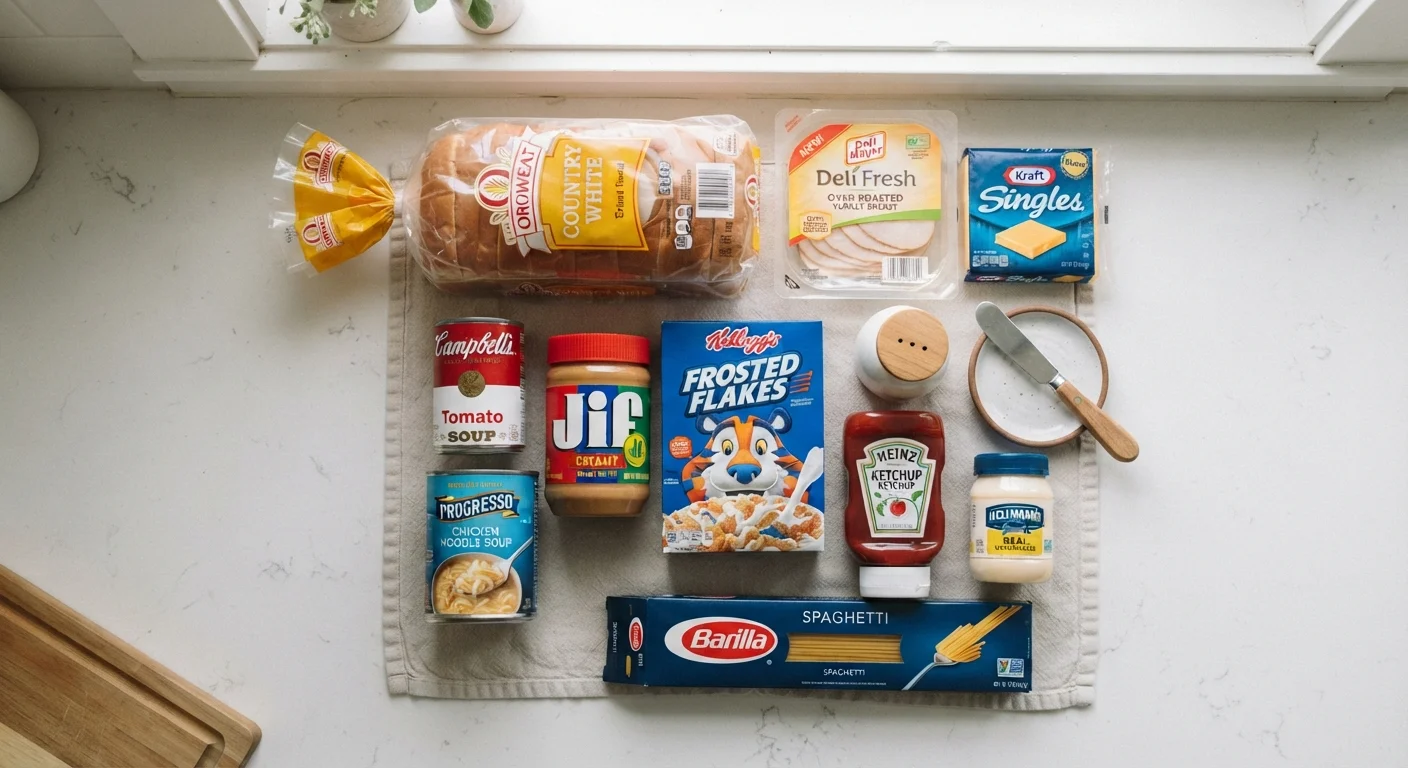
Why the Body Needs Sodium - and How Much Is Actually Required
Sodium is an essential nutrient, meaning the body cannot produce it on its own and must obtain it through food. It plays a central role in maintaining fluid balance between cells, transmitting nerve signals, and enabling muscles - including the heart - to contract properly.
The amount of sodium required to perform these functions is actually quite modest. Most adults need only around 500 mg per day to meet basic physiological needs. By contrast, the average American consumes approximately 3,400 mg per day - well above the 2,300 mg daily limit recommended by the Dietary Guidelines for Americans and the American Heart Association.
This gap between biological need and typical consumption sits at the center of ongoing public health conversations about sodium and chronic disease risk.
3,400 mg
Average daily sodium intake for US adults
The CDC estimates the average American adult consumes approximately 3,400 mg of sodium per day - nearly 50% above the 2,300 mg recommended limit.
~70%
Sodium from packaged and restaurant foods
According to the CDC, roughly 70% of dietary sodium in the US comes from processed, packaged, and restaurant foods rather than salt added during cooking or at the table.
500 mg
Approximate minimum daily sodium need
Most adults require only around 500 mg of sodium per day to support basic physiological functions - a fraction of typical US consumption.
Where Most American Sodium Actually Comes From
A common assumption is that sodium intake is primarily a matter of personal choice - that people simply add too much salt at the table. Research consistently shows a more complicated picture. According to the Centers for Disease Control and Prevention (CDC), approximately 70% of sodium consumed by Americans comes from processed, packaged, and restaurant foods, not the saltshaker.
The top contributing food categories identified in national dietary surveys include:
- Bread and rolls - a significant source because of high consumption frequency, not necessarily high per-serving sodium
- Pizza - sodium accumulates from crust, sauce, cheese, and toppings
- Cold cuts and cured meats - processed meat preservation relies heavily on sodium
- Canned and packaged soups - a single serving can contain 800-1,000 mg or more
- Savory snacks - chips, crackers, and similar items
Understanding label information helps put these numbers in context. See our practical guide to reading Nutrition Facts labels for help interpreting sodium listings on packaged food.
Compare Labels Within the Same Food Category
Sodium content can vary dramatically between brands of bread, soup, or deli meat. When shopping, check the sodium mg per serving on the Nutrition Facts label and compare a few options side by side. Choosing a lower-sodium version of a food you already eat regularly is one of the easiest ways to reduce daily intake without changing your eating habits significantly.
Sodium, Blood Pressure, and What the Evidence Shows
The relationship between sodium intake and blood pressure is one of the most studied topics in nutrition science. The evidence broadly supports an association: higher sodium intake tends to raise blood pressure in many adults, and elevated blood pressure (hypertension) is a well-established risk factor for heart disease and stroke.
However, the science has nuance. Research, including large studies using the DASH (Dietary Approaches to Stop Hypertension) dietary pattern, suggests that reducing sodium is most effective when paired with an overall dietary pattern rich in fruits, vegetables, and low-fat dairy. Individual responses to sodium also vary - a phenomenon researchers call salt sensitivity - meaning some people experience larger blood pressure changes than others in response to sodium intake.
“The evidence is strong that reducing sodium intake lowers blood pressure and that this in turn reduces cardiovascular risk. The challenge is that most people simply don't realize how much sodium is already in the food supply before they even pick up a saltshaker.”
— Lawrence Appel, Professor of Medicine and Epidemiology, Johns Hopkins University, and lead researcher on the DASH dietary studies
The takeaway from the evidence is not that sodium is acutely toxic in typical quantities, but that chronic overconsumption - particularly in people who are already at cardiovascular risk - appears to matter meaningfully over time. This is general population-level information; anyone managing hypertension or cardiovascular disease should work with their healthcare provider on specific dietary targets.
For context on how sodium fits alongside other dietary considerations, our article on building a balanced plate covers the broader picture of everyday healthy eating.
Practical Awareness Without Obsession
Becoming more informed about sodium does not require eliminating all processed food or tracking every milligram. Research suggests that relatively modest, consistent changes - such as choosing lower-sodium versions of frequently eaten foods, cooking more at home where you control ingredients, and paying attention to portion sizes - can reduce intake without requiring dramatic dietary overhaul.
Sodium is just one piece of the dietary puzzle. Comparisons with other dietary components can be instructive: while sodium tends to be over-consumed, dietary fiber is substantially under-consumed in the US population. Similarly, added sugars present another hidden dietary contributor worth understanding.
The goal is informed awareness, not anxiety. Most healthy adults eating varied diets do not need to fear sodium - but understanding where it concentrates in common foods is a useful foundation for making practical, everyday choices.
This article is for general informational and educational purposes only and is not a substitute for professional medical or dietary advice. If you have concerns about your sodium intake, blood pressure, or cardiovascular health, consult a qualified healthcare provider.
Frequently Asked Questions
The Dietary Guidelines for Americans recommend that most adults consume no more than 2,300 mg of sodium per day - roughly the amount in one teaspoon of table salt. Many Americans currently exceed this amount considerably. Some individuals, such as those with hypertension or kidney disease, may benefit from lower targets determined with a healthcare provider.
Reducing dietary sodium can lower blood pressure in many people, particularly those who are salt-sensitive, but the effect varies by individual. Blood pressure is influenced by multiple factors including overall diet, weight, physical activity, and genetics. Consult a healthcare professional to determine whether sodium reduction is appropriate for your situation.
In the US diet, the biggest contributors are bread and rolls, pizza, sandwiches, cold cuts and cured meats, canned soups, and savory snacks. These categories rank high not because they are unusually salty per bite, but because Americans eat them frequently and in large portions.
By weight, all forms of sodium chloride - sea salt, kosher salt, table salt - deliver a similar amount of sodium. Some specialty salts contain trace minerals, but not in nutritionally meaningful quantities. From a health standpoint, the type of salt matters far less than total sodium consumed.
Yes, though it is uncommon in healthy adults eating a regular diet. Hyponatremia (very low blood sodium) is a medical condition that can occur in certain clinical situations, such as extreme endurance events or specific health conditions. Most healthy people do not need to worry about consuming too little sodium from food alone.
The content on this site is for informational purposes only and is not a substitute for professional advice. Always consult a qualified professional for guidance specific to your situation.