

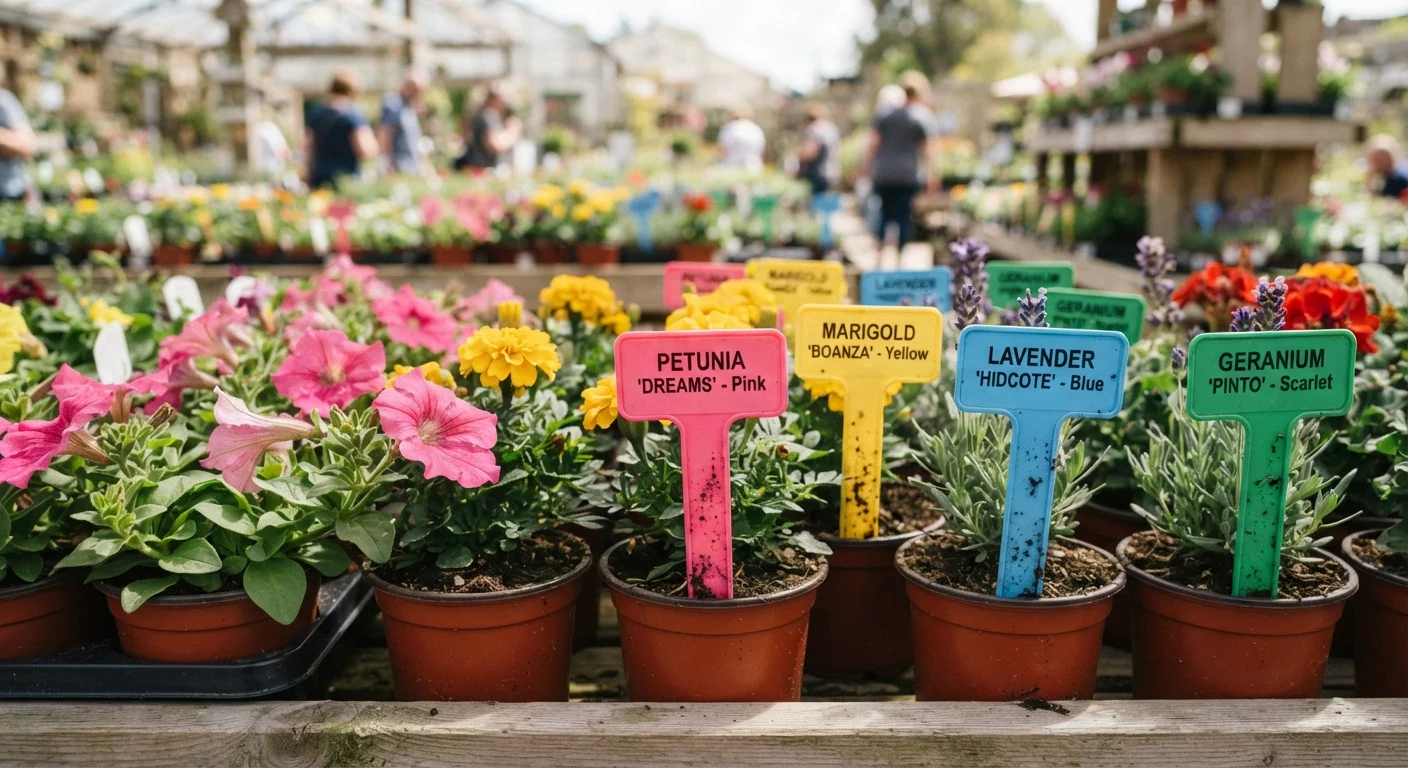
Why Plant Tags Deserve a Second Look
Most gardeners glance at the plant name and the picture on a nursery tag, then move on. But those small plastic tabs are packed with practical information that can make the difference between a thriving plant and one that struggles all season. Understanding what each symbol and number means helps you match plants to your yard's actual conditions - before you get home.
Think of a plant tag the way you'd think of a nutrition label: a compact reference that rewards the reader who knows how to decode it. Just as reading a nutrition label takes a little practice before it becomes second nature, so does reading a plant tag - but the payoff is real.
| Full sun definition | 6+ hours of direct sunlight daily |
| Part shade definition | 3-6 hours of direct sun daily |
| USDA Hardiness Zones | Zones 1-13 (1 = coldest, 13 = warmest) (USDA Agricultural Research Service) |
| Spacing measurement point | Center of one plant to center of the next |
| Perennial lifespan | Returns each year within its hardiness zone |
| Biennial cycle length | Two full growing seasons |
Sun, Water, and Hardiness: The Three Big Indicators
Sun exposure icons are usually the first thing you'll notice. Most tags use one of three symbols:
- Full sun (a solid sun) - the plant needs 6 or more hours of direct sunlight per day.
- Part sun / part shade (a half-shaded sun) - 3 to 6 hours of direct sun, often with protection during the hottest afternoon hours.
- Full shade (a shaded or hollow sun) - fewer than 3 hours of direct sun; thrives in indirect light.
Watering icons typically appear as a droplet or a series of droplets. One droplet usually signals low water needs (drought-tolerant); three droplets indicates consistent moisture. When the tag recommends regular watering, think deep and infrequent rather than light and daily - watering deeply encourages roots to grow further into the soil, improving drought resilience.
USDA Hardiness Zone tells you the coldest winter temperatures the plant is expected to survive. The US is divided into zones based on average annual minimum temperatures, numbered from 1 (coldest) to 13 (warmest). If your local zone is outside the range listed on the tag, the plant is unlikely to return the following year without protection or overwintering indoors. You can look up your zone using your zip code on the USDA Plant Hardiness Zone Map.
USDA Hardiness Zone
A geographic designation based on average annual minimum winter temperatures, used to indicate which plants can survive winter in a given region. Zones range from 1 (coldest) to 13 (warmest).
Spread
The expected mature width of a plant at its widest point. Tags list spread so gardeners can plan spacing and avoid overcrowding.
Perennial
A plant that lives for more than two years, regrowing from its root system each season within its appropriate hardiness zone.
Annual
A plant that completes its entire life cycle - from seed to flower to seed - within a single growing season and must be replanted each year.
Biennial
A plant that takes two growing seasons to complete its life cycle, typically producing foliage in year one and flowers or seeds in year two before dying.
Bloom time
The season or months during which a plant typically produces flowers. Found on plant tags to help gardeners plan for continuous color in the garden.
Spacing, Height, and Spread: Planning Before You Plant
Two measurements that gardeners frequently underestimate are mature height and spread (also called width). These numbers reflect how large the plant will eventually grow - not how it looks in the pot. Planting too close creates crowding, poor airflow, and competition for nutrients.
Spacing recommendations on the tag (often expressed as a range like "18-24 inches apart") are meant to be measured from the center of one plant to the center of the next. Give perennials and shrubs the full recommended space even if the bed looks sparse at first - they will fill in.
Bloom time is another tag element worth noting. Tags often list the season (spring, summer, fall) when the plant flowers. Staggering bloom times across your planting beds keeps the garden visually interesting from early spring through late fall. Pair this knowledge with your spring garden prep checklist to map out when each bed will be at its peak.
Tag Information Can Vary by Grower
Not all nurseries or growers follow a single universal tag format. Some use text only; others rely heavily on icons. When a tag's meaning isn't clear, ask a nursery staff member - they can usually clarify local growing conditions and whether a plant is suited to your specific yard. Always cross-reference with your local cooperative extension service for region-specific guidance.
Annual, Perennial, or Biennial: What the Life Cycle Label Means
Near the plant's name, you'll often see one of three life cycle designations:
- Annual
- Completes its full life cycle - germination, flowering, seed production - in one growing season, then dies. Replanting is required each year.
- Perennial
- Returns year after year from the same root system, given appropriate hardiness zone conditions.
- Biennial
- Takes two full growing seasons to complete its cycle: foliage in year one, flowers and seed in year two, then dies.
This distinction matters for your budget and your long-term garden design. Perennials cost more upfront but pay back over many seasons; annuals offer season-long color for lower individual cost but require annual replacement.
Armed with these tag-reading basics, you'll walk through the nursery with a clearer plan - and bring home plants that are genuinely suited to your garden's conditions rather than just the prettiest ones on the shelf.
The content on this site is for informational purposes only and is not a substitute for professional advice. Always consult a qualified professional for guidance specific to your situation.