

Option A
Frequent Shallow Watering
The instinctive, common approach most gardeners start with.
Best for: Newly seeded lawns, seedling trays, and container plants that dry out rapidly.
Option B
Deep Infrequent Watering
The research-backed method that builds resilient, drought-tolerant root systems.
Best for: Established shrubs, perennials, lawns, and vegetable gardens in most US climates.
Why Watering Frequency Changes What Roots Do
Most gardeners water by feel or habit - a quick sprinkle each morning, a pass with the hose after work. It seems attentive. But the roots underneath are responding to a pattern that may be working against them.
When moisture is consistently available only in the top inch or two of soil, roots have no reason to grow deeper. They cluster near the surface where water reliably appears. This creates a plant that looks healthy on a regular schedule but wilts rapidly the moment watering skips a day or temperatures spike. Shallow roots also compete more aggressively for limited space and are more exposed to soil temperature extremes.
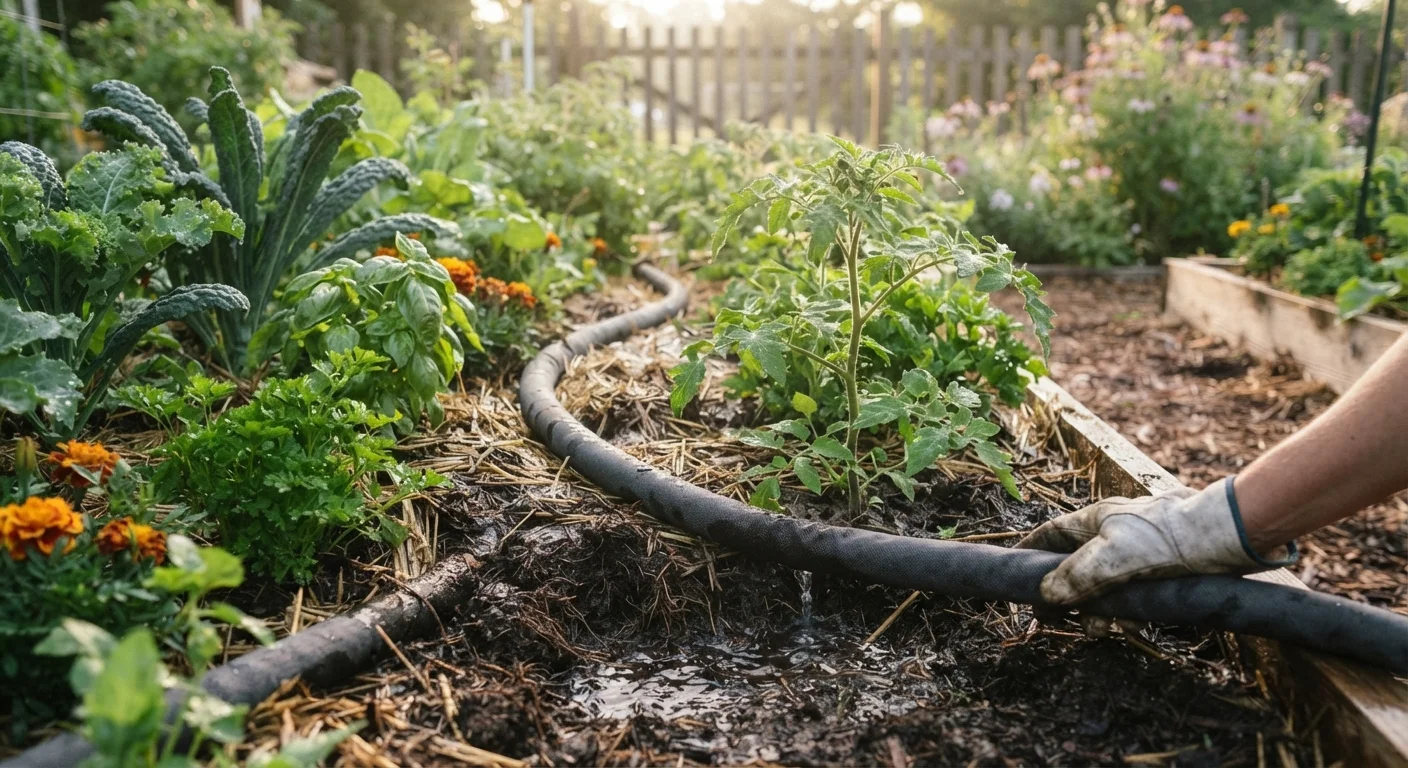
Deep watering works differently. When water penetrates 6 to 12 inches into the soil - the right depth depends on the plant - roots follow the moisture downward. This is sometimes called hydraulic cuing: roots grow toward available water. A plant with deep roots has access to a much larger reservoir of soil moisture, which acts as a buffer during dry spells and heat events. It also means the plant needs less frequent intervention from you.
This is one of the more practical gardening misconceptions worth revisiting - watering more often is not the same as watering better.
How the Two Approaches Compare
Setting the two methods side by side makes the differences in outcomes clearer. The goal isn't to water by a rigid rule, but to understand what each approach actually produces so you can make intentional choices for your garden.
| Criterion | Frequent Shallow Watering | Deep Infrequent Watering |
|---|---|---|
| Root depth encouraged | Shallow (top 1-2 inches) | Deep (6-12+ inches) |
| Drought resilience | Low - wilts quickly when skipped | High - accesses deeper moisture reserves |
| Water use efficiency | Lower - more evaporation from surface | Higher - water stored below evaporation zone |
| Time commitment | Daily or near-daily | 1-2 times per week for most plants |
| Best suited for | Seeds, seedlings, containers | Established plants, lawns, shrubs |
| Disease risk | Higher - wet surface foliage and soil | Lower - surface dries between sessions |
Soil type plays a significant role here. Clay soils absorb water slowly and hold it longer - watering too quickly causes runoff rather than penetration. Sandy soils drain fast and may need more frequent deep sessions to keep moisture accessible. For help building the kind of soil structure that supports either approach, see our guide on soil amendment practices that make a real difference.
Knowing When You've Watered Deeply Enough
The most common obstacle to deep watering is simply not knowing when you've reached adequate depth. A few straightforward methods can help.
A Simple Way to Check Soil Moisture Depth
After watering, wait 30 minutes, then push a wooden dowel or a long screwdriver into the soil. It will slide easily through moist soil and meet resistance in dry soil. Where it stops is roughly where your water reached. This quick test takes seconds and gives you a reliable read on whether your watering routine is actually penetrating to the depth your plants need.
- The finger or trowel test: After watering, push a finger or narrow trowel 4-6 inches into the soil. Moist soil at that depth means water is penetrating. Dry soil means you need to water longer or more slowly.
- A soil probe or moisture meter: Inexpensive tools available at most garden centers let you check moisture at depth without disturbing roots.
- Watch the clock, then verify: Rather than timing your watering and assuming depth, use time as a starting point and verify with physical testing until you know how long your soil and system actually take.
Application rate matters too. A slow, steady delivery - whether from a soaker hose, drip line, or a gentle setting on a wand - gives water time to move downward rather than run off laterally. This is especially important on slopes or compacted soil.
If you're gardening with low-maintenance perennials, establishing good deep-watering habits in the first growing season dramatically reduces how much attention those plants need in subsequent years.
When Shallow Watering Is the Right Call
Deep infrequent watering is the right default for most established garden plants - but it isn't universal. There are situations where frequent, lighter watering genuinely serves the plant better.
50%
Estimated outdoor water lost to evaporation or runoff
The US Environmental Protection Agency estimates roughly half of outdoor water use is lost through inefficient application methods, including shallow frequent watering.
6-12 in
Target soil moisture depth for most established plants
Cooperative Extension guidelines from multiple US university programs recommend watering to this depth to encourage deep root development in established garden beds.
Germinating seeds need consistently moist surface soil. Seeds absorb water through their coat and begin germination in the top layer of soil. Letting the surface dry out can interrupt or kill germination. Light, frequent misting is appropriate until seedlings have established their first true leaves.
Transplant recovery is another exception. Freshly transplanted starts have had their root systems disturbed. For the first week or two, more frequent watering supports reestablishment while new roots extend outward. Gradually transition toward deeper, less frequent sessions as the plant settles in.
Containers and some raised bed mixes drain much faster than ground soil. Check soil moisture daily in hot weather and water as needed - the principles of deep watering still apply (water until it drains from the bottom), but the frequency will naturally be higher. Understanding the setup you're working with matters; the raised beds vs. in-ground planting comparison covers how drainage and watering needs differ between the two systems.
For most plants, their plant tag will indicate general water needs - a useful starting point before you dial in your specific garden's rhythm.
The content on this site is for informational purposes only and is not a substitute for professional advice. Always consult a qualified professional for guidance specific to your situation.