

Our Verdict
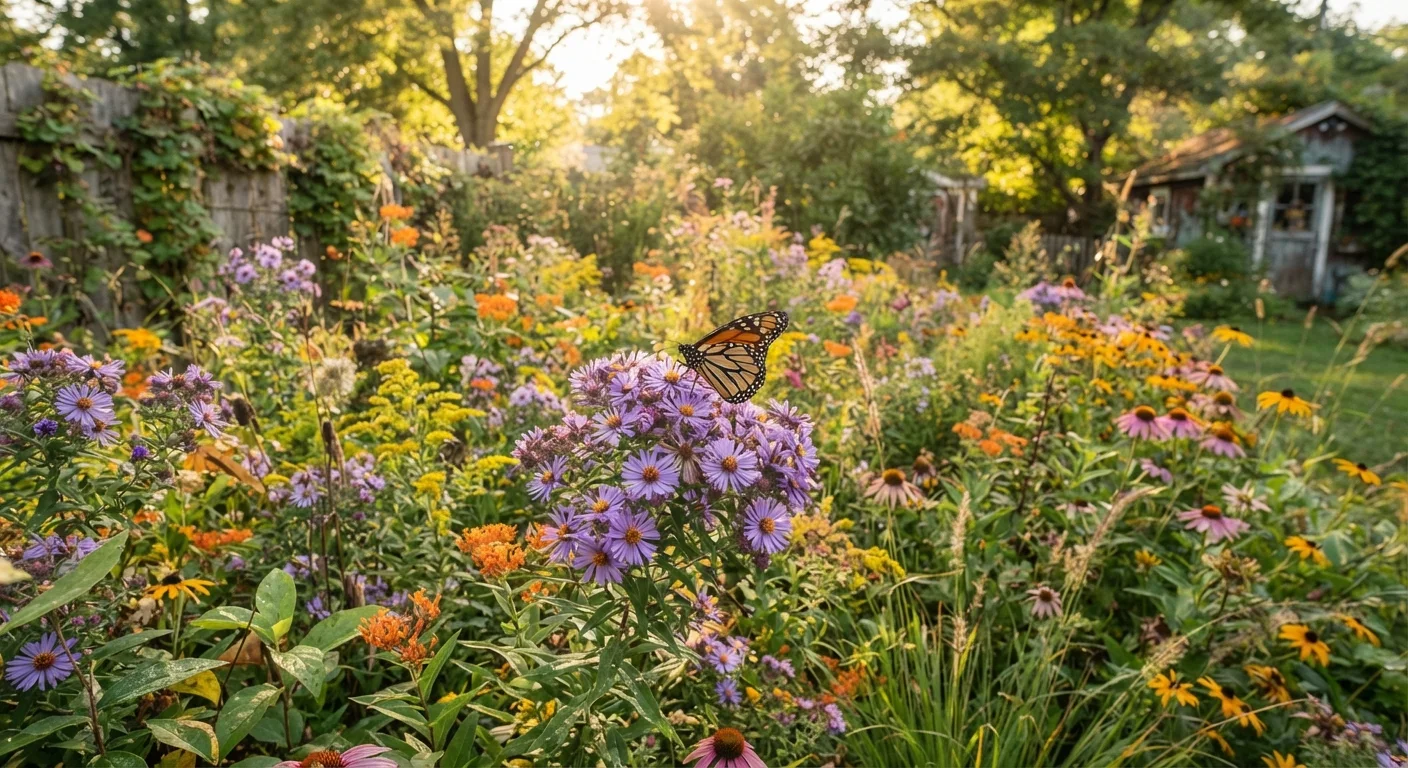
Native plants offer compelling long-term benefits - reduced water use, lower maintenance, and meaningful support for local wildlife - but they require patience during establishment and some upfront research to source correctly. The payoff is a garden that works with your local environment rather than against it.
Homeowners who want a lower-input, ecologically connected garden and are willing to invest time in the first season or two to let plants establish.
What 'Native Plant' Actually Means
A native plant is one that evolved naturally in a specific region before European settlement - without human introduction. This distinction matters because these plants developed alongside local insects, birds, soil microbes, and weather patterns over thousands of years. The result is a set of interdependencies that non-native plants simply haven't had time to form.
Nativeness is regional, not national. A plant native to the prairies of Kansas may be just as foreign to a Massachusetts woodland as a species from Europe. When choosing natives for your garden, look for plants native to your specific ecoregion or state rather than just "native to North America." Local native plant societies and your county's cooperative extension service are reliable starting points for region-specific guidance.
If you're just beginning to plan a garden space, our beginner's guide to starting a garden covers the foundational decisions worth making before choosing any plants.
The Advantages of Going Native
The case for native plants is well-supported by research in ecology and horticulture. Once past the establishment phase, they tend to require significantly less from the gardener.
Reduced water needs after establishment
Native plants are adapted to local rainfall patterns and rarely need supplemental irrigation once their root systems are established, which typically takes one to two full growing seasons.
Supports pollinators and local wildlife
Research consistently shows that native plants support a far greater diversity of native bees, butterflies, and birds than non-native ornamentals - many insects rely on specific plant species to complete their life cycles.
Lower need for fertilizers and pesticides
Because native plants evolved with local soil chemistry and pest pressures, they generally require fewer chemical inputs to stay healthy, reducing cost and environmental impact.
Long-term lower maintenance
Once established, many native perennials and shrubs are largely self-sustaining - they self-seed moderately, spread slowly, and don't need the regular division or feeding that many ornamentals require.
Improved soil and water management
Deep native root systems improve soil structure, reduce runoff, and increase the soil's capacity to absorb and filter water - a meaningful benefit for yards prone to erosion or compaction.
70%
Of bees are ground-nesting species
According to the USDA Forest Service, roughly 70% of native bee species nest in the ground - and native garden plants with minimal soil disturbance can provide essential undisturbed habitat.
~35%
Of household water use goes to landscaping
The U.S. Environmental Protection Agency estimates that landscape irrigation accounts for roughly one-third of residential water use - a figure that native plantings can substantially reduce over time.
Beyond water savings, natives tend to thrive in local soil conditions without amendments and resist regional pests more effectively - reducing or eliminating the need for chemical inputs. Their root systems, often deeper than those of conventional lawn grasses or ornamentals, also help with soil health and water infiltration.
For a broader look at how watering strategy intersects with plant health, see watering deeply vs. watering often.
The Real Challenges Worth Knowing
Native gardening isn't without friction. Understanding the genuine trade-offs helps you plan realistically and avoid frustration.
Demanding establishment period in year one
New native plantings need consistent watering and attention during their first season - they're not low-maintenance at the start, and skipping this care can result in poor survival rates.
Harder to source correctly
True local natives from straight species (not cultivars) can be difficult to find at mainstream garden centers; sourcing from reputable native plant nurseries or native plant sales often requires extra planning.
Unfamiliar aesthetics for some gardeners
Native plantings often have a naturalistic, less formal look that neighbors or HOAs may not expect or accept. Some communities have ordinances around 'wild' or unmowed vegetation that may need to be navigated.
Requires regional research upfront
Nativeness is hyperlocal - a plant native to one region may be wrong for yours. Identifying appropriate species for your specific ecoregion takes more initial research than simply buying what's available at a nursery.
Cultivars vs. Straight Species
Many native cultivars - plants bred for specific flower colors, compact forms, or doubled blooms - may not offer the same ecological value as the original straight species. Doubled flowers, for instance, can be inaccessible to pollinators. When supporting wildlife is a priority, straight species are generally preferred. That said, even native cultivars typically outperform non-native plants for local wildlife, so they're a reasonable middle ground for ornamental beds.
Sourcing is a common stumbling block. Many plants labeled "native" at large garden centers are cultivars - selectively bred varieties that may look different from their wild counterparts and may offer fewer ecological benefits. Seeking out straight species from reputable native plant nurseries or local plant sales takes more legwork but yields better results for wildlife support.
How to Make the Transition Work
A full yard conversion isn't necessary - or always practical. Many gardeners start by replacing one bed or a strip of lawn with native plants, observing what thrives, and expanding from there. This phased approach also spreads out the learning curve and the establishment work.
Combining natives with reliable low-maintenance perennials can ease the visual transition while you identify which natives perform best in your specific conditions. Pay attention to light, moisture levels, and soil drainage in different parts of your yard - native plants still have habitat preferences.
During the first growing season, plan to water new plantings regularly during dry spells, much as you would any new planting. The goal is root establishment, not bloom performance. By the second or third year, most native perennials and shrubs are largely self-sufficient. Our spring garden prep checklist can help you time planting and soil work effectively each year.
Resist the urge to over-tidy. Native plantings support overwintering insects in hollow stems and leaf litter. Leaving beds mostly intact through winter, then doing a light cleanup in early spring, is both ecologically valuable and a time-saver.
The content on this site is for informational purposes only and is not a substitute for professional advice. Always consult a qualified professional for guidance specific to your situation.