

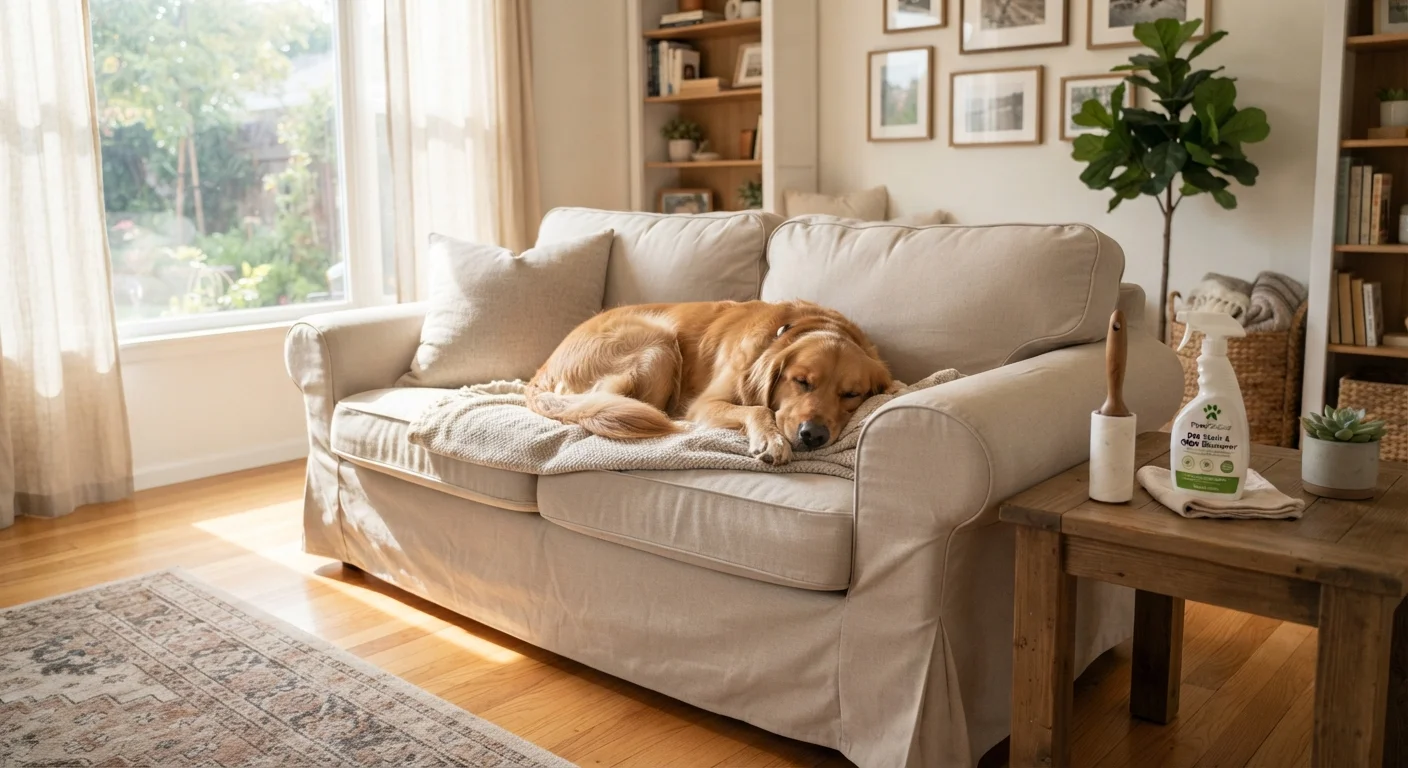
Why Pet-Friendly Cleaning Requires a Different Approach
A home with pets isn't just dirtier in degree - it's dirtier in kind. Hair, dander, tracked-in debris, and occasional accidents create ongoing maintenance challenges that standard cleaning routines weren't designed around. Addressing these effectively means changing some defaults: which surfaces you choose, how often you clean, and which tasks get daily attention versus weekly.
Flooring choice plays an outsized role. Hard floors - hardwood, tile, LVP - make hair visible and easier to remove, while carpet traps it deeply. If you're evaluating options, our comparison of hard floors vs. carpet covers the long-term tradeoffs worth knowing. For a broader foundation on organizing the home around daily habits, our home organization introduction is a useful starting point.
The steps below focus on the changes that make the most practical difference - from entry routines to air quality - without requiring a complete home overhaul.
What you will need
Pet-specific vacuum
Removes embedded pet hair from carpets, upholstery, and hard floors more effectively than standard models.
Enzyme-based cleaner
Breaks down the proteins in pet urine and feces to eliminate odor at the source rather than masking it.
Washable slipcovers or furniture covers
Protects upholstered surfaces from hair and oils; can be laundered regularly.
HEPA air purifier
Captures airborne pet dander and fine particles, improving indoor air quality in pet-heavy rooms.
Rubber squeegee or rubber broom
Lifts pet hair from low-pile carpet and rugs faster than vacuuming alone.
Entry mat or boot tray
Catches tracked-in dirt and moisture before it spreads into the home.
Follow These Steps to Stay Ahead of Pet Mess
Set up containment zones at entry points
The most effective pet cleaning strategy starts at the door. Place a washable mat just inside every exterior entrance your pet uses. Keep a dedicated towel nearby - a quick paw wipe after outdoor time prevents mud and moisture from traveling through the house. If you have a mudroom or laundry room near an entry, consider making that your pet's default transition space.
Vacuum on a schedule, not just when you notice hair
Pet hair accumulates faster than it becomes visible. Vacuuming two to three times per week in high-traffic areas - rather than waiting until clumps appear - prevents hair from embedding deeply into carpet fibers or collecting in corners. Focus on furniture edges, baseboards, and under furniture where hair drifts. A vacuum with a motorized brush roll handles embedded hair better than suction-only models.
Treat accidents immediately with enzyme cleaner
When a pet has an accident indoors, blot - don't rub - as much liquid as possible with a clean cloth first. Then apply an enzyme-based cleaner according to the product label, allowing adequate dwell time before blotting dry. Standard household cleaners mask odor but don't eliminate the biological compounds that cause it, which can draw pets back to the same spot. For older or set-in stains, repeat applications may be needed.
Wash pet bedding and covers weekly
Pet bedding, blanket throws, and slipcovers are the primary source of accumulated pet odor in a home. Washing these weekly in warm water - following fabric care instructions - removes dander, oils, and hair before they transfer to surrounding surfaces. Use an unscented detergent if your pet is sensitive, and run an extra rinse cycle to clear residue thoroughly.
Address air quality with filtration and ventilation
Pet dander is lightweight and stays airborne longer than visible dust, meaning it circulates through your HVAC system and settles on surfaces throughout the home. Replace HVAC filters more frequently than the standard recommendation - every 4-6 weeks rather than every 3 months is more realistic in pet households. In rooms where pets spend the most time, a HEPA-rated air purifier can reduce airborne dander meaningfully. Opening windows when weather allows also helps flush stale air. See our guide to indoor air quality for a broader look at what affects the air inside your home.
Do a weekly wipe-down of overlooked surfaces
Pet-owning households accumulate grime on surfaces that standard cleaning routines miss: baseboards attract hair, door frames collect nose smudges, and light switch plates get grimy from paws and hands. A five-minute weekly wipe-down of these areas with a damp microfiber cloth keeps the home looking and smelling cleaner between deeper sessions. The hidden spots most people skip on cleaning day is worth reviewing to make sure nothing falls through the cracks.
Grooming Reduces Indoor Cleaning
Regular brushing of your pet - ideally outdoors - removes loose hair and dander before it sheds inside. A consistent grooming schedule is one of the most effective ways to reduce the volume of hair and allergens that enter your home environment in the first place.
Some Cleaning Products Are Unsafe for Pets
Several common household cleaners - including certain disinfectants containing phenol or high concentrations of essential oils - can be harmful to cats, dogs, or other animals. Always confirm a cleaner is pet-safe before using it on surfaces your animal contacts. When in doubt, plain soap and water or pet-specific products are the safest default.
Odors deserve special attention beyond surface cleaning. If a freshly cleaned home still smells off, the source is often embedded in soft furnishings, HVAC ductwork, or overlooked corners rather than visible surfaces. Why your home smells musty even after you've cleaned it walks through the common culprits and how ventilation and materials play a role.
Staying consistent with short daily and weekly tasks is more effective than infrequent marathon cleaning sessions. Five minutes of daily maintenance - a quick vacuum pass, a paw wipe, a glance at pet bedding - keeps conditions manageable and prevents buildup from reaching the point where it requires significant effort to undo.
Don't Mask Odors - Eliminate Them
Air fresheners, candles, and sprays cover odors temporarily but don't address the source. In a pet household, lingering smells almost always trace back to biological residue in fabrics, flooring, or ventilation systems. Cleaning the source - with enzyme cleaners and regular laundering - is the only approach that produces lasting results.
The content on this site is for informational purposes only and is not a substitute for professional advice. Always consult a qualified professional for guidance specific to your situation.