

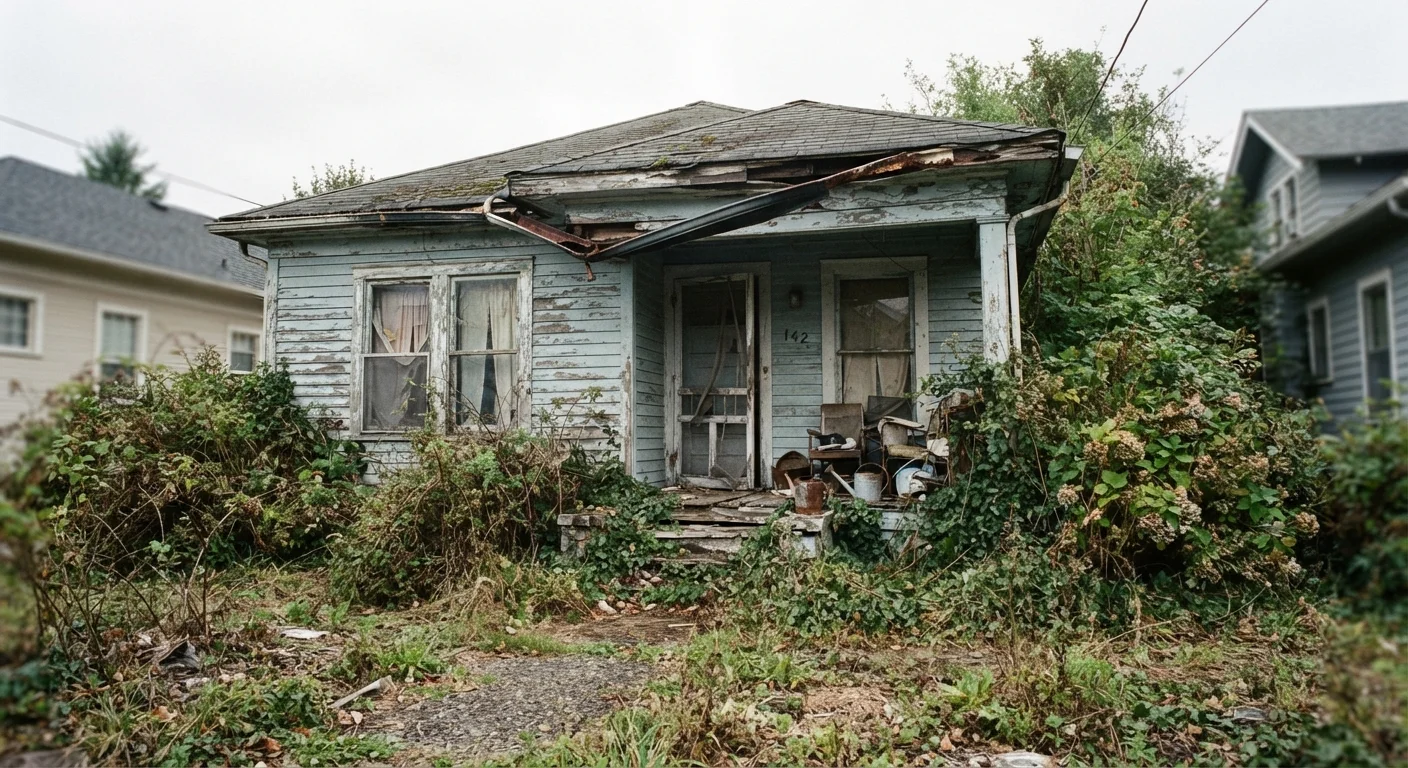
How Deferred Maintenance Quietly Compounds
Homeownership comes with a long list of responsibilities, and the temptation to push non-urgent repairs to next month - or next year - is understandable. But deferred maintenance is rarely a neutral choice. Each delayed task creates conditions for a second, larger problem to develop.
Consider a hairline crack in exterior caulking. Left alone through a winter, water infiltrates, freezes, expands, and widens the gap. By spring, the damage has progressed into the surrounding wood framing. What started as a $20 tube of caulk becomes a carpentry repair. This cascade effect is the defining characteristic of deferred maintenance, and it applies equally to roofing, plumbing, HVAC, and foundation systems.
A useful analogy exists in auto ownership: neglecting routine vehicle maintenance produces the same compounding failure pattern. The underlying principle is identical - small, inexpensive interventions prevent expensive system-level breakdowns.
1%-3%
Annual home value recommended for maintenance
A widely cited rule of thumb among housing professionals suggests homeowners budget between 1% and 3% of their home's value each year for routine upkeep and repairs.
10x
Cost multiplier for ignored water damage
Industry estimates from remediation professionals suggest that unaddressed water intrusion can multiply repair costs tenfold compared to addressing the source promptly.
The Most Costly Mistakes Homeowners Make
Certain maintenance categories generate disproportionately large repair bills when ignored. Understanding the pattern behind each helps homeowners prioritize their limited time and budget.
Ignoring early signs of roof deterioration, such as missing shingles or granule loss in gutters.
Why it happens: Roof inspections require climbing or hiring a professional, so most homeowners simply don't look until a leak makes itself known indoors.
Putting off HVAC servicing until the system fails entirely.
Why it happens: If the heat or air conditioning is still running, many homeowners assume it is fine - annual tune-ups feel like optional spending rather than essential upkeep.
Leaving caulk and weatherstripping around windows and doors to deteriorate without replacement.
Why it happens: Gaps and cracked seals develop gradually and are easy to overlook because they don't produce an obvious symptom - until energy bills climb or drafts become uncomfortable.
Delaying plumbing repairs - slow drains, dripping faucets, or signs of pipe corrosion.
Why it happens: Minor plumbing issues feel tolerable, and calling a plumber seems expensive, so homeowners postpone until the problem becomes undeniable.
Skipping regular gutter cleaning, allowing water to back up against the foundation or fascia.
Why it happens: Gutters are out of sight and rarely cause an immediate, dramatic problem, making them easy to defer season after season.
Small Leaks Become Structural Damage
A roof leak that costs a few hundred dollars to patch can quietly saturate insulation, rot sheathing, and foster mold growth within months. By the time visible water staining appears on interior ceilings, the hidden damage may already run into thousands of dollars. Never assume a minor leak is stable - water intrusion is rarely contained to where it first appears.
For a structured approach to staying ahead of these issues throughout the year, the seasonal home maintenance calendar provides a month-by-month task breakdown that makes routine upkeep manageable.
What Deferred Maintenance Does to Home Value
Visible neglect communicates risk to buyers and appraisers alike. During a home sale, a property with deferred maintenance typically triggers lower appraisals, demands for repair credits, and longer time on market. Even in strong markets, buyers factor repair estimates directly into offer prices.
It's worth noting that investment in upkeep is not equivalent to renovation spending. projects that tend to hold their value generally involve upgrades, but foundational maintenance - working roof, dry basement, functional HVAC - is the baseline that makes any improvement investment meaningful. Buyers assume these systems work; discovering they don't resets negotiations entirely.
Deferred Maintenance Can Affect Insurance Claims
Homeowners insurance policies typically cover sudden, accidental damage - not losses caused by neglect or gradual deterioration. If an insurer determines that a claim resulted from long-ignored maintenance, they may deny or reduce the payout. Keep records of routine upkeep to protect your coverage position.
Homeowners should also be cautious about renovation decisions driven by misconceptions. common renovation myths can lead to spending money on upgrades while underlying maintenance issues remain unresolved - an expensive mistake in both directions.
This article is for general informational purposes only and does not constitute financial, legal, or professional home inspection advice. Consult a licensed contractor or home inspector for guidance specific to your property.
The content on this site is for informational purposes only and is not a substitute for professional advice. Always consult a qualified professional for guidance specific to your situation.