

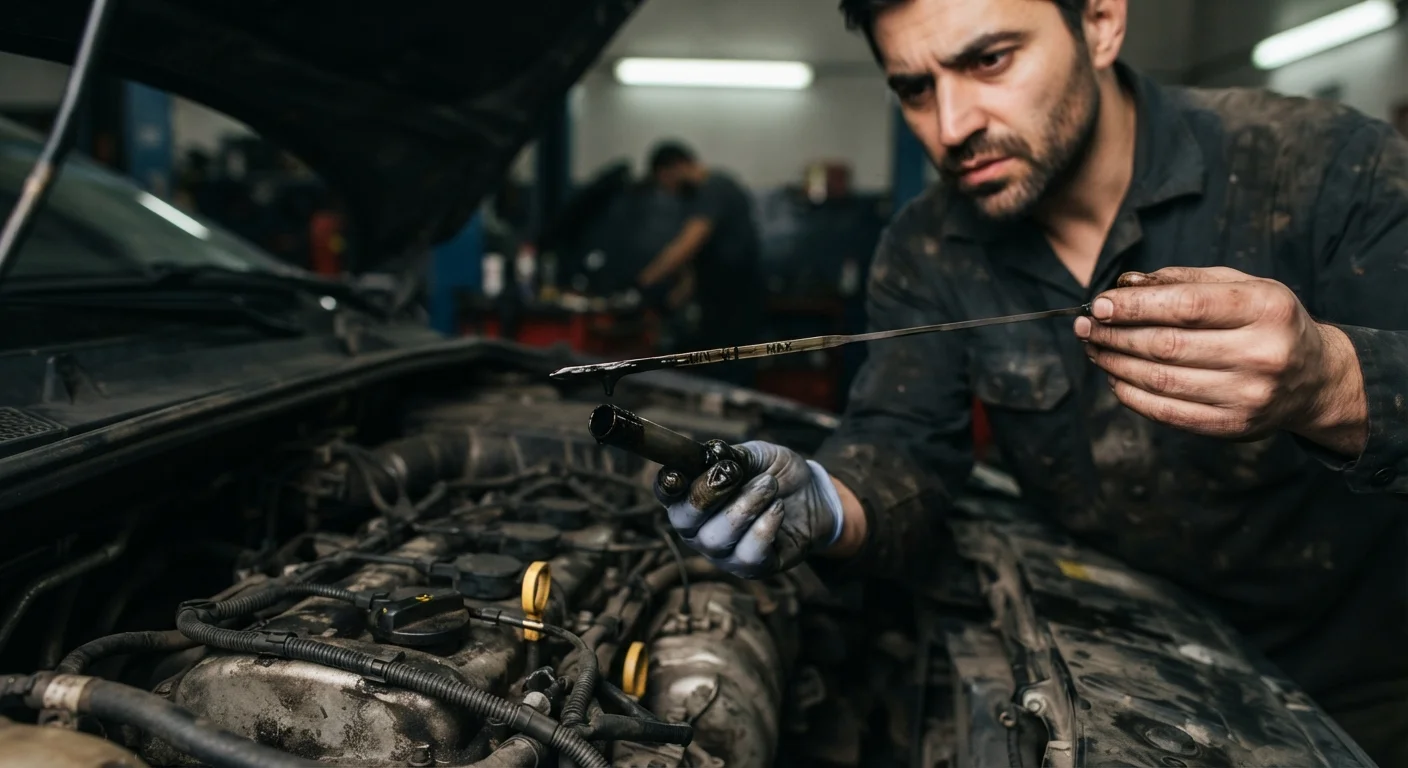
Why Deferred Maintenance Costs More Than You Think
Car maintenance has a compounding problem: small neglected tasks rarely stay small. A missed oil change doesn't just mean slightly older oil - it means increased engine wear, accumulated sludge, and the potential for a repair bill that dwarfs the cost of several oil changes combined. The same logic applies across nearly every maintenance category. Much like deferred home maintenance, putting off vehicle upkeep rarely saves money - it only delays and amplifies the expense.
Understanding why each neglected task causes harm is more useful than a generic reminder to "take care of your car." The mistakes below reflect the most common ways everyday drivers - often with the best intentions - quietly shorten their engine's lifespan.
Low Oil Is an Engine Emergency
Running an engine with critically low or severely degraded oil can cause metal-on-metal contact between internal components. This can lead to irreversible damage - including a seized engine - that may cost thousands of dollars to repair or require full engine replacement. If your oil warning light turns on while driving, treat it as an immediate stop-and-check situation, not something to address at your next fill-up.
The Most Common Maintenance Mistakes - and How to Correct Them
The following errors are not rare oversights made only by inattentive owners. They appear regularly across all experience levels, often because the consequences aren't immediately visible and the demands of daily life crowd out routine upkeep.
Skipping or delaying oil changes beyond the recommended interval.
Why it happens: Many drivers assume the old "3,000-mile rule" still applies universally, or they simply forget to schedule the service.
Ignoring coolant and other fluid checks between oil changes.
Why it happens: Drivers often assume the only fluid that matters is oil, leaving coolant, brake fluid, and transmission fluid unchecked for months or years.
Driving on worn or under-inflated tires without inspection.
Why it happens: Tire wear is gradual and easy to overlook during daily use, and checking tire pressure feels like an extra task most drivers skip.
Dismissing or delaying action on dashboard warning lights.
Why it happens: Warning lights can feel alarmist, and when no obvious symptom follows, drivers often assume the light is a sensor glitch rather than a genuine problem.
Neglecting air filter replacement on a set schedule.
Why it happens: Air filters are invisible during normal driving and carry no warning system, so it's easy to forget they exist until performance problems appear.
Putting off brake inspections until brakes are audibly grinding.
Why it happens: Squeaking and squealing sounds are easy to rationalize away, especially when stopping power still feels adequate.
$4,000+
Average cost of engine repair from oil neglect
Engine repairs caused by oil sludge buildup or lack of lubrication frequently run into the thousands; full engine replacement can exceed $10,000 depending on vehicle make and model.
85%
Of breakdowns linked to deferred maintenance
The Car Care Council has reported that the vast majority of roadside breakdowns involve a maintenance issue the driver was aware of or could have detected through routine inspection.
Building a reliable routine around your vehicle's specific service intervals is the most effective safeguard. A realistic maintenance schedule removes the guesswork and makes it far less likely that a critical task gets overlooked during a busy week. Your owner's manual - often underused - is the best starting point: following its guidance is built around the specific engineering of your vehicle, not generic assumptions.
The Bigger Picture: Maintenance, Resale Value, and Reliability
Consistent maintenance doesn't only protect your engine - it protects your financial investment in the vehicle. A well-documented service history can meaningfully influence resale value, while a car with obvious deferred maintenance may sell for significantly less or fail a pre-purchase inspection entirely. Understanding how depreciation affects your vehicle's value helps frame maintenance not as a cost, but as a way of preserving what you've already paid for.
The goal isn't perfection - it's consistency. Catching small issues early, staying current on fluid checks, and responding promptly to warning signs are habits that keep repair costs predictable and engines running longer.
Don't Rely on "It Feels Fine" as a Maintenance Metric
Many serious mechanical problems - including failing transmission fluid, degraded coolant, and low brake fluid - produce no obvious driving symptoms until a component is near failure. A car that feels and drives normally can still be approaching a costly breakdown. Scheduled inspections and fluid checks are the only reliable way to catch problems before they escalate.
The content on this site is for informational purposes only and is not a substitute for professional advice. Always consult a qualified professional for guidance specific to your situation.