

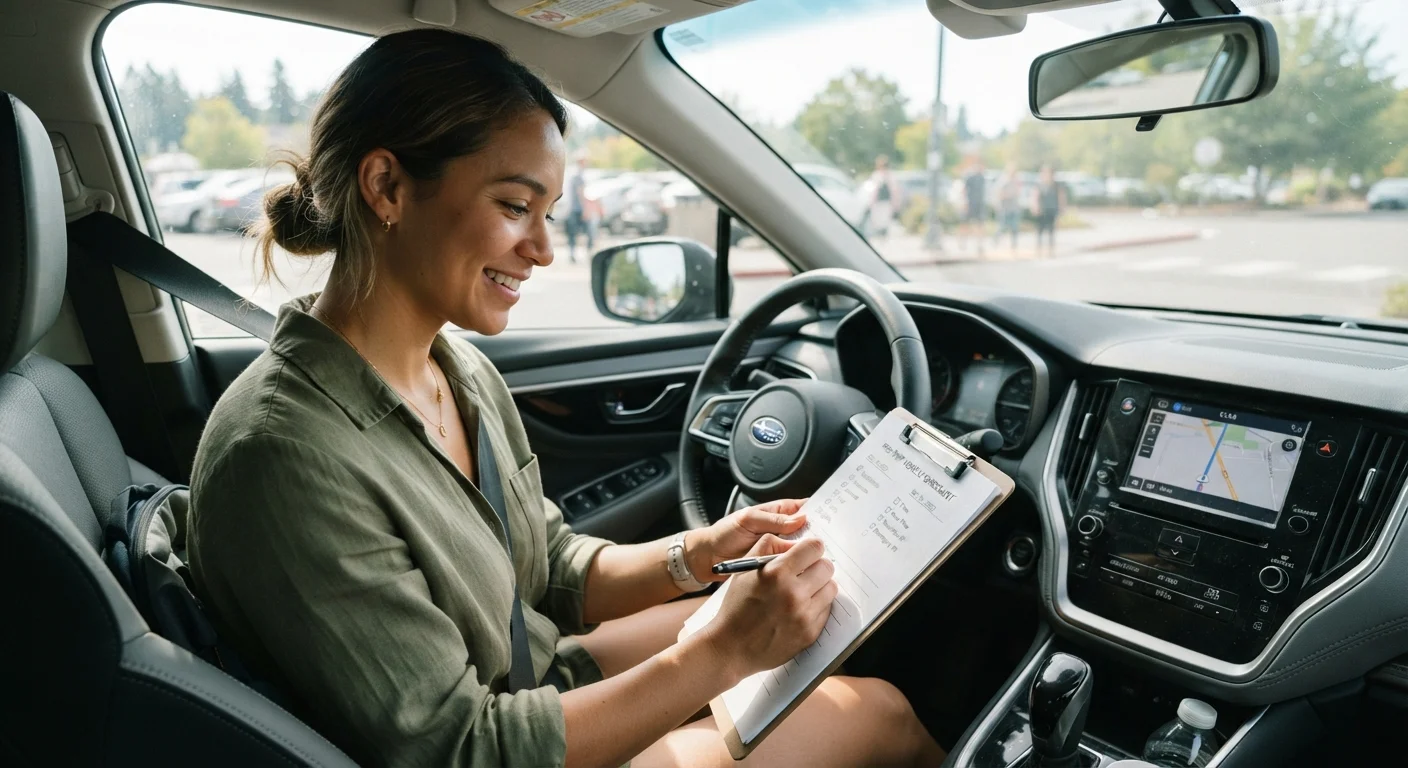
Summary
22 items · 30-60 minutes
Why New Drivers Need a Pre-Drive Document Checklist
Getting your driver's license is a milestone - but it comes with a set of legal and practical responsibilities that can catch first-time drivers off guard. Before you turn the key, you need more than driving skills: you need the right documents in the vehicle, verified insurance, and a basic understanding of what you're legally required to carry in your state.
This checklist walks through every document, task, and piece of equipment you should confirm is in order before hitting the road. It applies whether you've just bought your first car or are taking over a family vehicle. For a broader look at what can go wrong in the early ownership period, see common pitfalls first-time car owners encounter.
State DMV Website
Verify your state's minimum insurance requirements, registration renewal process, and any required inspections.
Insurance Company App or Portal
Access and download your digital insurance card and confirm your policy is active.
Portable Jump Starter Pack
Allows you to jump-start a dead battery without needing another vehicle - essential for solo drivers.
Basic First-Aid Kit
Pre-assembled kits cover minor injuries and are a recommended piece of in-vehicle safety equipment.
Calendar or Reminder App
Set renewal reminders for registration, insurance, and inspection deadlines so nothing lapses quietly.
Documents, Safety Gear, and First-Time Tasks
Work through the groups below in order. Most items take only minutes to verify or obtain - but skipping them can mean fines, coverage gaps, or being stranded without help.
Required Documents
Insurance Verification
Vehicle Registration and Compliance
Emergency and Safety Equipment
Roadside Assistance and Support
Owner's Manual and Vehicle Basics
Don't Store Your Title in the Car
Your vehicle title proves ownership and is difficult and time-consuming to replace. Keeping it in the glove compartment means it could be stolen along with your car. Store it somewhere secure at home - such as a fireproof lockbox or with other important documents - and only bring it when you have a legitimate reason, such as a sale or transfer.
Once you've confirmed everything on this list, you're also ready to build good ongoing habits. The car maintenance essentials every new driver should know is a natural next step. And before any drive - especially longer ones - run through the pre-trip vehicle safety checklist to catch small issues before they become big problems.
Teen drivers heading out solo for the first time should also review what new teen drivers should know before their first solo trip for additional safety guidance specific to that transition.
Driving Without Insurance Is Illegal in Most States
Operating a vehicle without valid auto insurance is illegal in nearly every US state and can result in fines, license suspension, and personal financial liability if you're involved in an accident. Do not drive until you have confirmed that an active, compliant policy covers the vehicle you're using. If you're unsure about your coverage status, contact your insurer directly before your first drive.
The content on this site is for informational purposes only and is not a substitute for professional advice. Always consult a qualified professional for guidance specific to your situation.