

Start here
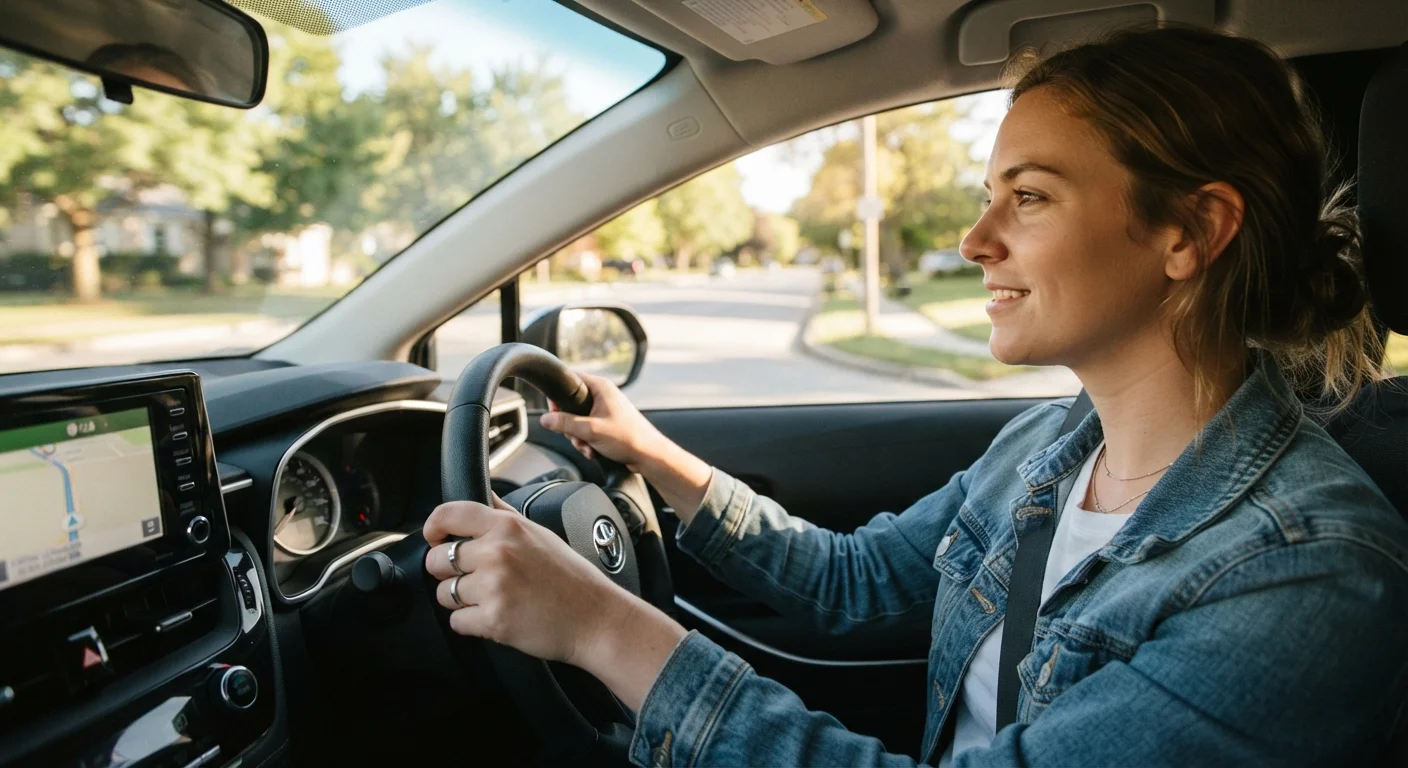
Why the First Solo Drive Feels Different
Next
Know Your Legal Responsibilities
Then
Pre-Trip Preparation Habits
Core skills
Staying Safe Behind the Wheel
Be ready
What to Do If Something Goes Wrong
Why the First Solo Drive Feels Different
Passing a driving test marks a real achievement, but it does not mean a new driver is fully prepared for everything the road will throw at them. During supervised practice, an experienced adult can intervene, offer real-time guidance, or simply provide a calming presence. Remove that safety net, and the cognitive demands of driving - scanning intersections, managing speed, making split-second decisions - rest entirely on the new driver.
Research consistently shows that newly licensed teens face the highest crash risk during the first six to twelve months of independent driving. This is not about intelligence or intent; it reflects a skills gap that only genuine, unsupervised experience can close over time. Understanding this reality is the first step toward approaching those early solo trips with the right level of care.
Start with familiar, low-pressure routes
For the first several solo trips, stick to roads you already know well - routes you practiced during supervised sessions. Save unfamiliar highways, complex intersections, or night driving for after you have built more solo confidence. Gradual exposure is far more effective than diving into challenging conditions too soon.
Know Your Legal Responsibilities
Most US states use a Graduated Driver Licensing (GDL) system - a phased approach that restricts newly licensed drivers until they accumulate experience. Even after receiving a full license, many teens are still operating under GDL restrictions that limit:
- Passenger rules: Many states cap the number of non-family passengers a teen can carry for the first six to twelve months.
- Nighttime driving: Curfews commonly prohibit unsupervised driving between 11 p.m. and 5 a.m. or similar windows.
- Phone use: Handheld phone use while driving is illegal in nearly every state for all drivers; many states have stricter rules for those under 18.
Violating GDL terms can result in fines, license suspension, or resetting the probationary period. Look up your state's specific rules through your state DMV website - requirements vary meaningfully. For a broader look at first-time ownership responsibilities, see common ownership mistakes new drivers make.
Graduated Driver Licensing (GDL)
A phased licensing system used in most US states that adds restrictions for new drivers - such as passenger limits and nighttime curfews - and gradually removes them as the driver gains experience.
Following distance
The gap of time and space between your vehicle and the one ahead. A minimum three-second gap gives you room to react and brake safely in most conditions.
Hazard lights
The flashing amber indicator lights activated by a button on the dashboard, used to warn other drivers that your vehicle is stopped or moving slowly due to an emergency or breakdown.
Roadside assistance
A service - often included with auto insurance or available as a subscription - that dispatches help for breakdowns, flat tires, lockouts, or fuel delivery.
Cognitive load
The mental effort required to process information and make decisions. New drivers carry a higher cognitive load because many driving tasks are not yet automatic.
Pre-Trip Preparation Habits
Building a short pre-trip routine is one of the most practical things a new driver can do. Before leaving, take two minutes to confirm:
- Mirrors and seat position: Adjust before you start the engine, not after you begin moving.
- Fuel level: Running low on an unfamiliar route adds unnecessary stress. Aim to refuel before the gauge drops below a quarter tank.
- Tire condition: Visually inspect for obvious flats or damage. Low tire pressure affects handling and braking.
- Lights: Confirm headlights and brake lights function, especially before nighttime or poor-weather driving.
For a more comprehensive walkthrough, the pre-trip vehicle safety checklist covers fluids, tires, and lights in detail. Also, make sure your documents - license, registration, and proof of insurance - are organized and accessible every time you get in the car. The new driver checklist is a useful reference to work through once and then keep in the glove box.
Staying Safe Behind the Wheel
Safe driving habits are not instinctive - they are deliberate choices that become automatic with practice. A few that matter most for new solo drivers:
- Eliminate phone distraction: Place your phone face-down or in a bag before driving. Even hands-free calling can reduce reaction time. No message is worth a crash.
- Maintain following distance: Keep at least three seconds of space between your vehicle and the one ahead. In wet or icy conditions, double that gap.
- Respect speed limits: Speed limits are set based on road design, visibility, and traffic patterns - not minimum suggestions. New drivers are particularly vulnerable to misjudging safe speeds on curves and in adverse conditions.
- Avoid driving while fatigued: Drowsy driving impairs judgment similarly to alcohol. If you are yawning frequently or struggling to focus, pull over safely and rest.
- Plan your route before departure: Set up navigation while parked. Knowing where you are going reduces cognitive load on the road.
For a deeper look at essential upkeep that supports vehicle safety, car maintenance for new drivers covers the habits every new owner should build early.
Overconfidence Is a Real Risk
Many new drivers feel most confident in the weeks immediately after passing their test - and this is precisely when crash risk is highest. A license certifies a baseline of competency, not mastery. Treat every unfamiliar road, weather condition, or driving situation as something to approach carefully rather than proof of how far you have already come.
What to Do If Something Goes Wrong
Even cautious, prepared drivers face unexpected situations. Knowing your response in advance keeps panic from making things worse.
Breakdown or flat tire
Signal, slow gradually, and move as far off the road as possible - ideally onto a shoulder or parking lot. Turn on your hazard lights immediately. Do not attempt to change a tire on a narrow shoulder with traffic passing; call for roadside assistance instead. Stay in the vehicle with your seatbelt on if staying off the road is not possible.
Minor collision
Check for injuries first. If the vehicles are driveable and blocking traffic, move them to a safe nearby location before exchanging information. Collect the other driver's name, contact details, license plate, and insurance information. Photograph any damage before moving vehicles if it is safe to do so. Report the incident to your insurer as soon as possible - even if you believe you were not at fault.
Getting lost
Pull into a parking lot or safe area before attempting to re-route on your navigation app. Never use your phone while moving. If you feel disoriented or stressed, it is always okay to pause, collect yourself, and then continue.
This article provides general educational information about driving safety. It is not a substitute for formal driver education, state-issued guidance, or advice from a qualified driving instructor. Always consult your state DMV for the rules that apply to your license.
Frequently Asked Questions
Teen drivers should always carry their valid driver's license, current proof of insurance, and vehicle registration. Keep these in a consistent, easy-to-reach spot in the car rather than searching for them during a stressful moment. Check out the <a href="/autos-driving/car-ownership-basics/new-driver-checklist-documents-and-tasks-before-you-hit-the-road">new driver document checklist</a> for a full rundown.
It depends on the state. Most states with Graduated Driver Licensing laws restrict the number and age of passengers a newly licensed teen can carry. Check your specific state's GDL rules before inviting anyone along, as violations can result in fines or license suspension.
Move the vehicle to a safe location if possible, turn on hazard lights, check that everyone is okay, and call 911 if there are injuries. Exchange insurance and contact information with the other driver, document the scene with photos, and notify your insurer promptly - even for minor damage.
Start with shorter, lower-traffic highway segments during off-peak hours. Practice merging and lane changes with a trusted adult before attempting them solo. Confidence builds through repetition, not avoidance - but there is no rush to tackle high-speed or heavy-traffic routes before you feel ready.
Using navigation is fine, but it must be set up before you start driving - never while moving. Mount your phone or GPS device where it does not block your sightlines, and rely on audio prompts rather than glancing at the screen.
Common mistakes include following other vehicles too closely (tailgating), speeding on unfamiliar roads, underestimating wet or slippery conditions, and using a phone while driving. Many of these errors come from overconfidence - the first few months of solo driving require extra caution, not less.
The content on this site is for informational purposes only and is not a substitute for professional advice. Always consult a qualified professional for guidance specific to your situation.