

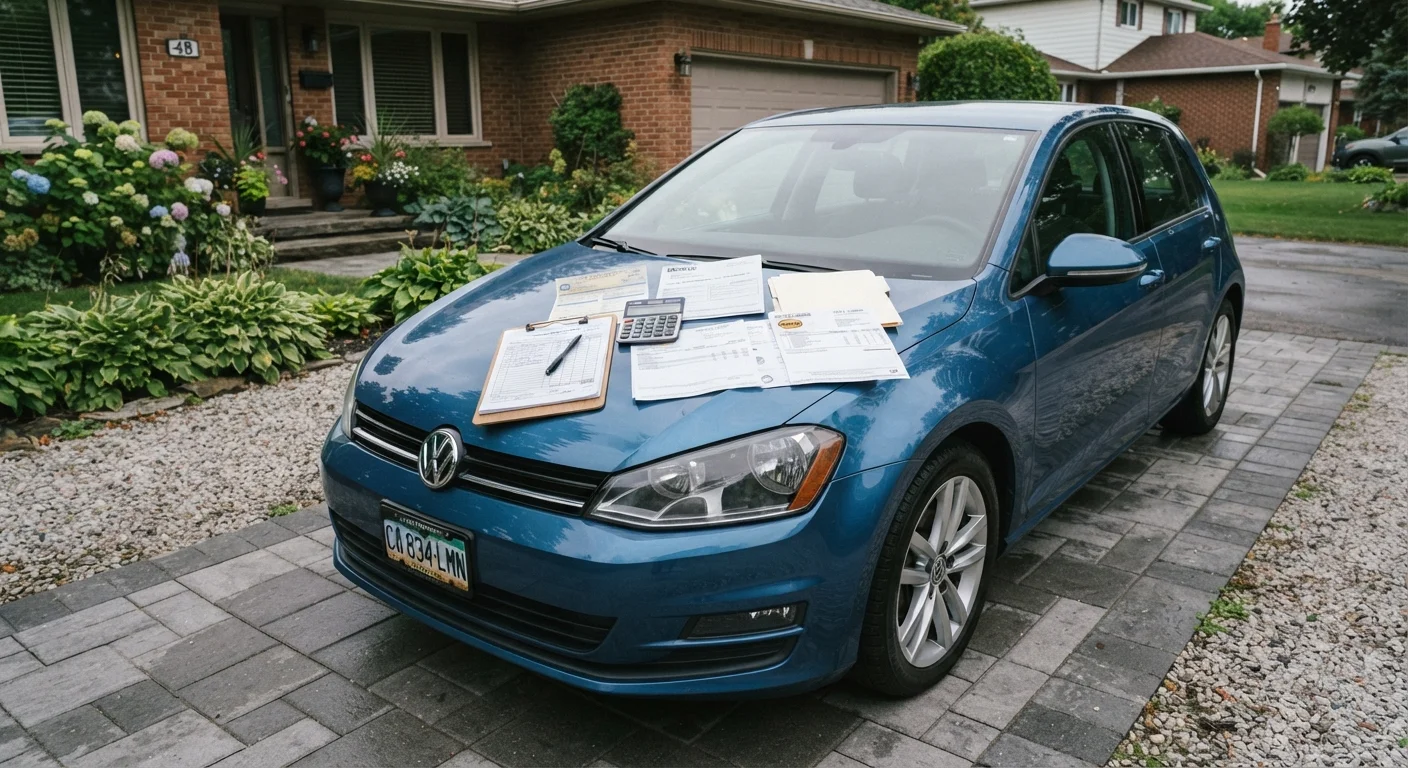
Why the Sticker Price Is Just the Starting Point
When most people shop for a car, attention stays locked on the purchase price - and understandably so. But the monthly payment or total loan amount is only a fraction of what you'll actually spend. Owning a vehicle involves a layered set of ongoing expenses that, when added together, can rival or even exceed the cost of the vehicle itself over a typical ownership period.
Understanding these costs before you buy - not after - is one of the most practical financial habits a driver can develop. Whether you're weighing a new model or a used one, the categories below represent what you should be budgeting for every year. See also our article on leasing vs. buying if you haven't yet decided on an acquisition method.
$10,000+
Average annual new vehicle ownership cost
AAA's annual "Your Driving Costs" study has placed average annual costs above $10,000 in recent years when depreciation, insurance, fuel, maintenance, and fees are combined.
20%
Typical first-year depreciation rate
Industry analysts commonly estimate new vehicles lose approximately 15-25% of their value within the first 12 months of ownership.
$1,500+
Average annual auto insurance cost (full coverage)
National average full-coverage auto insurance premiums have risen considerably in recent years; individual rates vary based on driver profile, location, and vehicle type.
Depreciation: The Silent Expense
Depreciation is the reduction in a vehicle's market value over time, and it is consistently the largest ownership cost most drivers never see as a line item. A new car can shed 15-25% of its value within the first year of ownership. By year five, many vehicles have lost 50-60% of their original purchase price.
This matters practically when you sell or trade in the car - you receive only what the market determines it's worth at that point, not what you paid. It also matters if you carry a loan that exceeds the vehicle's depreciated value, a situation known as being "underwater" or "upside-down" on your loan.
For a detailed look at how depreciation works and which vehicle types hold value better, see our article on depreciation and your car's value.
Insurance, Fuel, and Registration
Insurance is a legal requirement in nearly every US state, and premiums can vary dramatically. Factors include your driving history, credit score (in most states), ZIP code, the vehicle's make and model, and your chosen coverage level. Full-coverage policies that include collision and comprehensive protection cost considerably more than state-minimum liability coverage, but they also protect your financial investment in the vehicle.
Fuel costs depend on your vehicle's fuel efficiency rating (MPG), local gas prices, and your annual mileage. A driver covering 15,000 miles per year in a vehicle averaging 25 MPG will purchase roughly 600 gallons of fuel annually. At any given price per gallon, that math adds up quickly - and fuel costs are among the most volatile expenses in the ownership equation.
Registration and taxes are often overlooked in initial budgeting. Most states require annual or biennial registration renewal, with fees calculated on vehicle age, weight, or assessed value. Some states also levy property taxes on vehicles. Sales tax at purchase can add several thousand dollars on its own. Check your state's Department of Motor Vehicles for the specific schedule that applies to you.
Get Insurance Quotes Before You Buy
Insurance premiums vary significantly by vehicle model - two cars with similar sticker prices can carry very different insurance costs based on safety ratings, theft rates, and repair costs. Obtaining quotes on specific models you're considering before finalizing a purchase gives you a more accurate picture of your real monthly cost.
Maintenance, Repairs, and the Cost of Skipping Both
Routine maintenance - oil changes, tire rotations, brake inspections, fluid checks, filter replacements - is the foundation of vehicle reliability. Skipping these services to save money in the short term typically leads to more expensive repairs later. A neglected engine that fails or a brake system that wears unevenly can generate repair bills that dwarf years of preventive upkeep.
Repairs are separate from maintenance and by nature unpredictable. Older vehicles and high-mileage models tend to need more repair work, though even relatively new vehicles can experience unexpected component failures. Setting aside a dedicated vehicle repair fund - even a modest one - reduces the financial shock when something goes wrong.
Visit our car maintenance hub for guidance on staying ahead of your vehicle's service schedule.
Building a Realistic Ownership Budget
The most effective approach is to total all cost categories annually rather than focusing on the monthly payment alone. Add up your expected loan or lease payment, insurance premium, estimated fuel costs, a maintenance allowance, and registration fees. Then factor in an estimate of annual depreciation if you plan to sell within a few years.
New drivers are particularly prone to underestimating these totals. Our article on ownership mistakes that catch new drivers off guard covers several of the most common planning errors in detail.
No two ownership situations are identical - your mileage, location, driving habits, and vehicle choice all shape your true annual cost. But approaching the decision with a complete picture puts you in a far stronger position to choose a vehicle that fits both your lifestyle and your budget.
“The purchase price of a vehicle is just the entry fee. The real financial commitment is in the years of ownership that follow - fuel, insurance, maintenance, and the steady erosion of value over time.”
— Autos & Driving Editorial Team, Consumer Vehicle Ownership Analysis
Frequently Asked Questions
According to industry research from organizations like AAA, the average annual cost to own and operate a new vehicle in the US has exceeded $10,000 in recent years when all expenses are included. This figure varies significantly depending on vehicle type, local fuel and insurance rates, and how many miles you drive.
Depreciation is typically the biggest single cost of owning a car. A new vehicle can lose 15-25% of its value in the first year alone. Over five years, depreciation alone can account for tens of thousands of dollars in lost value.
Yes, auto insurance is a mandatory recurring cost for virtually all US drivers and must be factored into your ownership budget. Premiums vary based on your driving record, location, age, and the vehicle itself, but the national average runs into hundreds of dollars per month for full coverage.
A commonly cited guideline is to budget roughly $500-$1,500 per year for routine maintenance on a reliable vehicle, though this rises with vehicle age, mileage, and model complexity. Unexpected repairs are separate and can add significantly more in any given year.
Used cars typically cost less upfront and depreciate more slowly, but they may carry higher repair costs and could require more frequent maintenance. The net effect on total ownership cost depends on the specific vehicle's condition and reliability history.
Registration fees vary by state and can include a base registration charge, title fees, taxes based on vehicle value, and annual renewal fees. Some states also require periodic safety or emissions inspections that carry their own costs. Always check your state's DMV for current rates.
The content on this site is for informational purposes only and is not a substitute for professional advice. Always consult a qualified professional for guidance specific to your situation.