

Summary
18 items · 20-40 minutes
Why Reading Labels Matters Before You Check Out
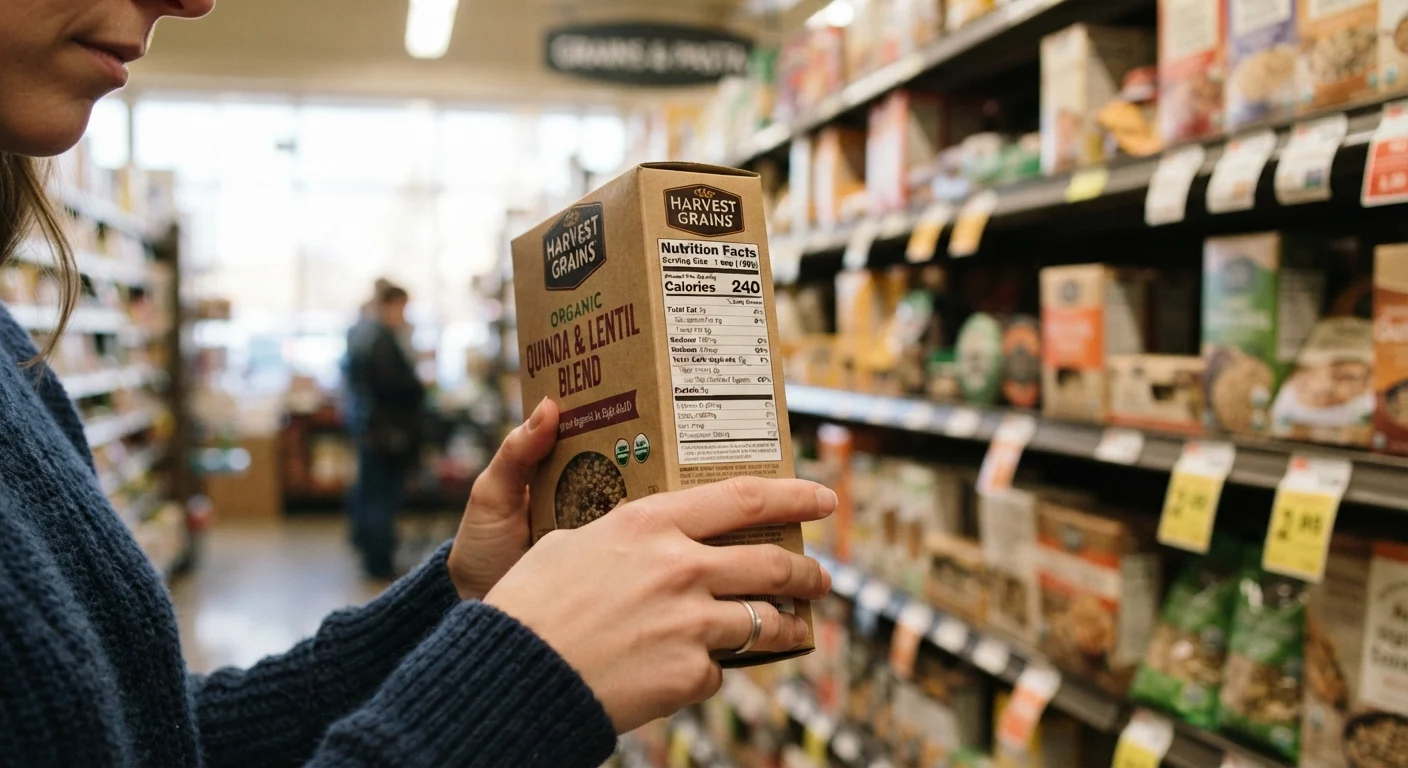
Grocery stores are designed to move product - and front-of-package claims like "heart-healthy," "low-fat," or "all-natural" are marketing tools, not regulated nutrition endorsements. The Nutrition Facts panel on the back or side of a package is the only standardized, federally regulated source of truth about what you're actually buying.
This checklist is built around the FDA's updated Nutrition Facts label format, which most packaged foods now carry. Use it aisle by aisle to make faster, more informed decisions without needing a nutrition degree. For a deeper look at how misleading front labels work, see our guide on packaging claims vs. actual nutrition.
This article is general nutrition education and is not a substitute for personalized guidance from a registered dietitian or healthcare provider.
Start Here: Serving Size & Calories
Nutrients to Limit
Nutrients to Seek Out
Using % Daily Value
Reading the Ingredient List
Front-of-Package Claims: Quick Verification
Tools to Bring on Your Grocery Run
You don't need fancy equipment to shop smarter. A few simple resources can make label-reading faster and more consistent each week.
Smartphone notes or grocery list app
Keep a running list of label thresholds or limits you want to stay within (e.g., sodium per serving) so you can reference them quickly in the aisle.
Reading glasses or magnifier
Nutrition Facts panels and ingredient lists are often printed in small type - magnification helps ensure you're reading numbers accurately.
FDA Nutrition Facts label reference (fda.gov)
The FDA publishes a free, up-to-date guide explaining every element of the Nutrition Facts label, useful for resolving questions about what a term means.
This checklist (printed or screen)
Work through each category systematically as you shop so nothing gets skipped under the time pressure of a busy store.
Using This Checklist Effectively
You won't need to scrutinize every single item on every trip. Focus your label-reading energy on packaged, processed, and convenience foods - fresh produce, plain meats, and whole grains have little to no label complexity. Prioritize categories where sodium, sugar, and saturated fat tend to sneak in: soups, sauces, breakfast cereals, snack bars, frozen meals, and flavored dairy.
Don't Let 'Per Serving' Math Catch You Off Guard
One of the most common label-reading mistakes is assuming a small package equals a single serving. A 20 oz bottled beverage, a snack bag of chips, or a can of soup may contain two or more servings by label definition - meaning the sodium or sugar figures need to be multiplied. Always cross-check the servings-per-container line before making comparisons.
Once you've got the basics down, consider pairing this habit with a broader approach to meal planning. Our article on eating well on a budget shows how to stretch your nutrition dollar without sacrificing quality. And for background on how individual nutrients fit into an overall healthy diet, the vitamins and minerals reference guide is a useful companion.
Building these label-reading habits supports the broader goal of building a balanced plate - one grocery run at a time.
This article is for general informational and educational purposes only and does not constitute medical or dietary advice. Consult a qualified healthcare professional or registered dietitian for guidance tailored to your individual health needs.
The content on this site is for informational purposes only and is not a substitute for professional advice. Always consult a qualified professional for guidance specific to your situation.